Titanium Court: How AP Thomson Won the IGF Grand Prize Two Years Running
A match-3 game about a queen, a tide and a lot of baseball jokes took indie gaming's most coveted prize. Its maker had already won it the year before. Here is how that happened, and why the game deserves your evening.
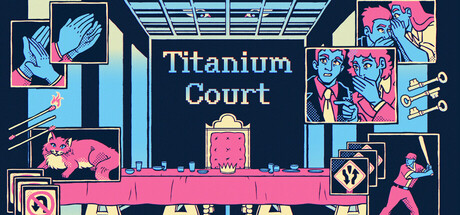
Match-3 is the genre of waiting rooms and bus stops. You swap a gem, three things vanish, a sound goes ding, and nobody writes essays about it. So when the Independent Games Festival handed its biggest award of 2026 to a match-3 game, a few people in the room at the GDC Festival of Gaming in San Francisco must have blinked twice.
The game was Titanium Court, by New York-based developer AP Thomson and publisher Fellow Traveller. In March 2026 it won the Seumas McNally Grand Prize, the IGF's top honour, plus Excellence in Design, from four nominations. And because Thomson had co-directed the previous year's winner, Consume Me, he became the first person to take the Grand Prize two years in a row.
A match-3 game that refuses to behave
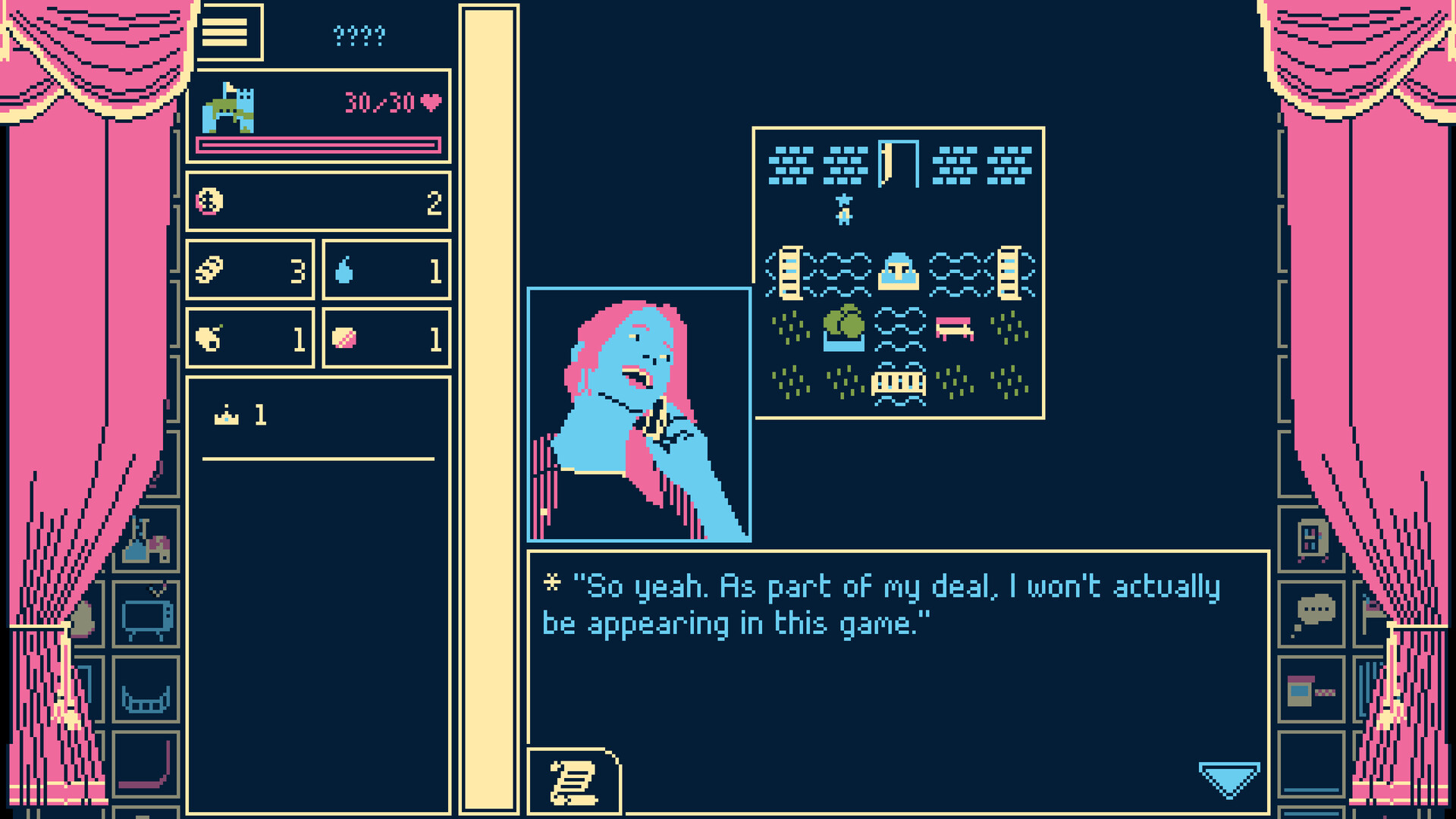
On paper, Titanium Court is a pile-up of genres: match-3, tower defence, roguelike, with dashes of resource management, deckbuilding and visual novel. In practice it is easier to describe as a ritual. You play the Queen of the Titanium Court, and your realm runs on a tide.
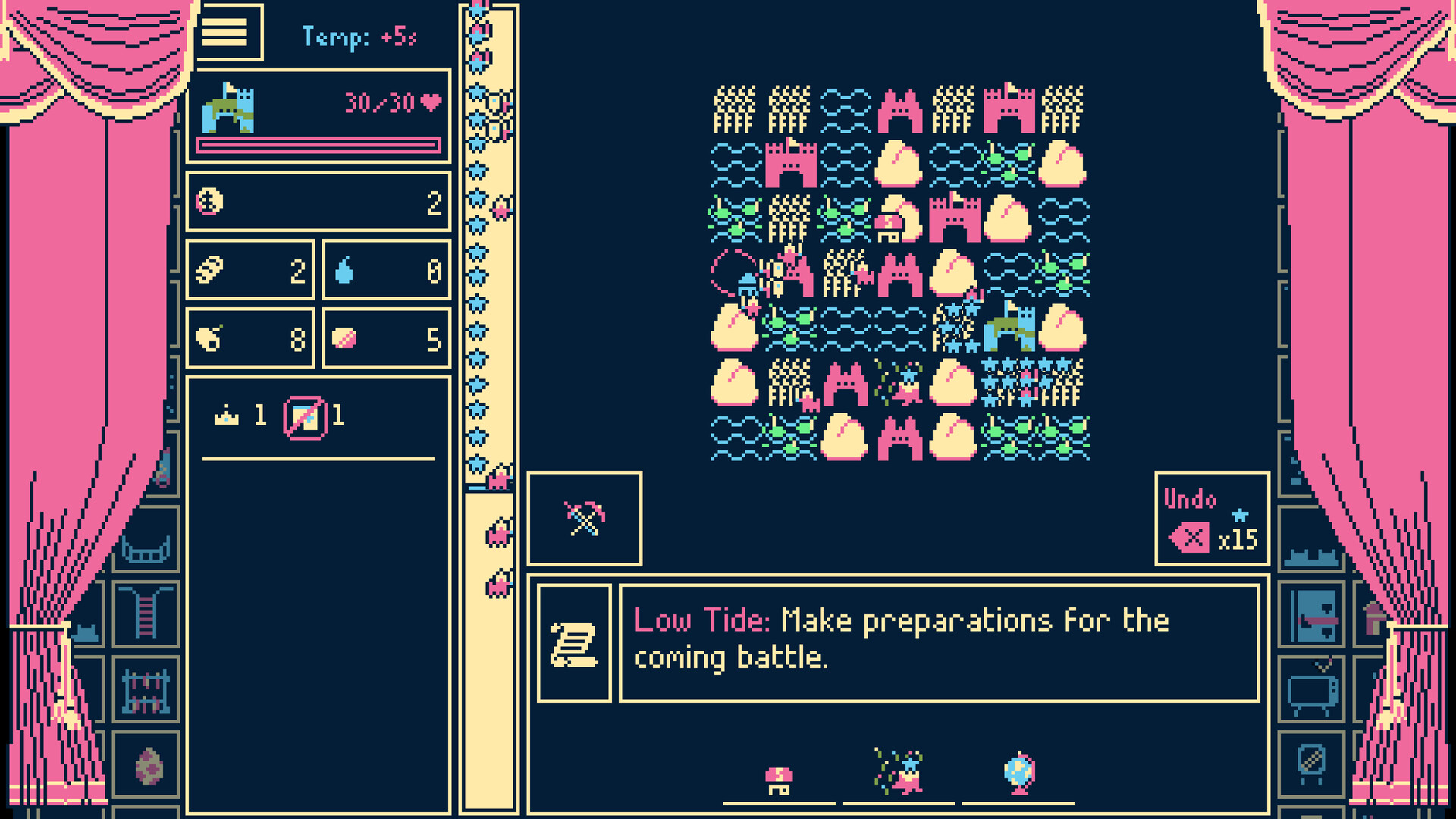
- At High Tide, you match tiles in lines of three to gather resources and small advantages.
- At Low Tide, you spend those resources to deploy farmers, who keep gathering during battle, or soldiers, who fight rival Courts.
- Between the two, you can reshape the land itself. Drop a mountain next to your Court and enemy troops have to slog around it.
The clever part is how the two phases argue with each other. High Tide rewards greed: one more match, one more resource, one more turn of the board. Low Tide punishes it, because every farmer you send out is a soldier you didn't, and the map you shaped an hour ago may now be working against you. The roguelike structure means you lose, start again and slowly learn rules the game never quite states. It is the kind of design that sounds fussy written down and feels natural ten minutes in.
The puzzle board is the economy, and the economy is the war. Every cheerful ding is really a decision about who survives the next turn. Critics noticed the tension. One major PC outlet scored it 74/100 and called it a "brilliantly singular roguelite", with the warning that you have to genuinely enjoy match-3 to stay with it. Others reached for Alice in Wonderland and David Lynch, mostly because of the writing, which swerves from deadpan comedy into something sad without asking permission.
From a Next Fest demo to the top prize
Titanium Court arrived the way many modern indie hits do: as a free demo. Its first public build appeared during Steam Next Fest in February 2026, where it landed on several "best of Next Fest" lists and picked up its first wave of attention.
Two months later, on 23 April 2026, the full game launched on Windows and macOS. By then it had already won the Grand Prize, which is an unusual order of events: most winners have been on sale for months, if not years, before the ceremony.
The reviews that followed were strong. Titanium Court holds a Metacritic score of 87, and 89% of critics on OpenCritic recommend it. By autumn it was turning up on best-of-2026 lists at GamesRadar, Kotaku and NPR.
Who is AP Thomson?
Thomson is not a newcomer who struck gold on a first try. He met Jenny Jiao Hsia as a student at the NYU Game Center, and the two collaborated for years, on projects including Beglitched, before making Consume Me, Hsia's semi-autobiographical game about her teenage years and an eating disorder (our story on Consume Me).
On Consume Me, Hsia shaped the minigames, art direction and story, while Thomson programmed most of the game, designed its systems and contributed writing. That game swept the 2025 IGF, winning the Grand Prize, the Nuovo Award and the WINGS Award. A year later Thomson was back on the same stage with a game that is almost its opposite: where Consume Me is intimate and diary-like, Titanium Court is a strange, sprawling fable about power.
The rest of the IGF 2026 honour roll
Titanium Court was the headline, but the 28th IGF had a deep bench:
- Seumas McNally Grand Prize: Titanium Court (AP Thomson, Fellow Traveller)
- Excellence in Design: Titanium Court
- Excellence in Narrative: Perfect Tides: Station to Station (Three Bees) (read more)
- Excellence in Audio: Baby Steps (Gabe Cuzzillo, Maxi Boch, Bennett Foddy) (read more)
- Excellence in Visual Art: Eclipsium (Housefire, Critical Reflex)
- Nuovo Award: HORSES (Andrea Lucco Borlera, Santa Ragione) (read more)
- Audience Award: Wednesdays (Pierre Corbinais, The Pixel Hunt, ARTE France) (read more)
- Best Student Game: Poco (Whalefall)
- WINGS Award: 13Z: The Zodiac Trials (Mixed Realms)
By the numbers
- 2: consecutive Seumas McNally Grand Prizes for AP Thomson (2025 and 2026), a first for the award.
- 4: IGF 2026 nominations for Titanium Court, and 2 wins.
- 87: Titanium Court's Metacritic score.
- 89%: share of critics on OpenCritic who recommend it.
- 5: platforms added on 29 October 2026: Android, iOS, Nintendo Switch, Switch 2 and PlayStation 5.
Why it matters
The IGF has a habit of picking games that change what indie developers think is allowed. A match-3 game winning the top prize is a gentle provocation: there are no "low" genres, only unambitious uses of them. Titanium Court takes the most casual mechanic in games and makes it carry politics, grief and a running baseball gag.
There is a lesson in its route, too. Titanium Court built an audience through a free Next Fest demo, then let the festival circuit do the rest before launch day. For a small team without a big marketing budget, that sequence (demo, word of mouth, awards, release) is about as good as it gets, and it is repeatable.
It also says something about the person behind it. Thomson's back-to-back wins came with two very different games and two very different roles: co-director and systems designer on a deeply personal story, then the singular voice of a fable. That kind of range usually takes a decade to show. He did it in about a year.
What to play next
If Titanium Court clicks for you, try these award winners from the same corner of the indie world:
- Consume Me, Thomson and Hsia's 2025 Grand Prize winner, on Windows and macOS and, since June 2026, iPhone and iPad.
- Perfect Tides: Station to Station, the 2026 narrative winner, a funny and painful point-and-click about being eighteen.
- Baby Steps, if you want to suffer beautifully on a mountain.
Titanium Court is out now on PC (Steam and GOG), Mac, Nintendo Switch and Switch 2, PlayStation 5, iOS and Android, and a free demo is still on Steam if you want to test your appetite for royal match-3 first. For the full history of the prize, see our guide to the IGF Grand Prize.