NetEase at G-STAR 2026: Three Booths, a Pirate Debut and a Wuxia Birthday
China's second-biggest games company has taken over more of BEXCO than anyone else. What's at each booth, and the story of the company that started with an email service and a pig farm.
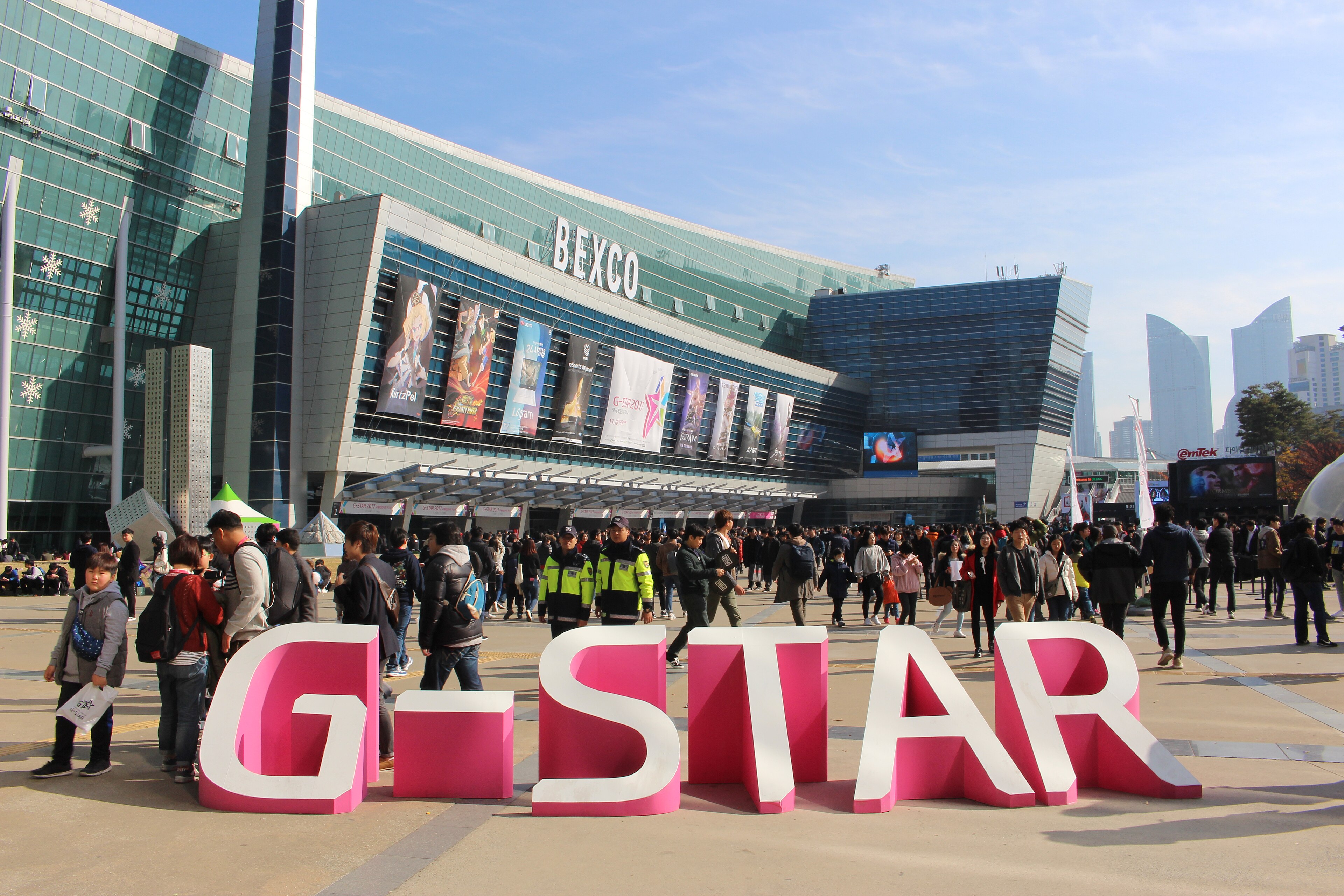
If one company owns G-STAR 2026, it's NetEase Games. With Korea's biggest publishers away this year, the Chinese giant is running three separate booths across both halls, more than anyone else at the show, according to Inven Global.
Booth 1: Sea of Remnants (Hall 1, centre)
The centrepiece is Sea of Remnants, from NetEase studio Joker Studio. It's described as a turn-based RPG with roguelike elements and is still in development. The game's world and art have already been shown at global shows, and Busan is the first chance for many Korean fans to see it in person. Expect interactive events and merchandise giveaways at the booth.
Booth 2: Where Winds Meet (Hall 2)
Where Winds Meet (Korean title 연운) is an open-world wuxia adventure set in the turbulent years of 10th-century China. It's marking its first anniversary since global launch, and it won Best Mobile Game at the gamescom awards. The booth has a demo zone, live cosplay demonstrations, audience events and gifts.
Booth 3: Once Human (Hall 2)
Once Human is a free-to-play survival game set after a strange alien substance has transformed the world. In Korea it has run in PC bangs through NC Family Zone since September. The booth has a photo zone, a stamp tour with more than 15 kinds of prizes, PC bang perks and cosplayer demos.
Who is NetEase?
NetEase was founded in 1997 by William Ding (Ding Lei) as an internet portal and email service. Games came a few years later, with the MMORPG Fantasy Westward Journey (2004) becoming one of China's biggest online games. NetEase was Blizzard's partner in China for World of Warcraft, Overwatch and more from 2008. The partnership ended in early 2023 and was then renewed, bringing those games back to Chinese players.
Why it matters
NetEase's three booths show where the games industry's weight is shifting: big-budget, global-first games from Chinese studios, sold directly to Korean players in their own language. With our ranked exhibitor guide, you can plan your route through all three.