The IGF Grand Prize, Explained: Indie Gaming's Top Award and Its Winners
Papers, Please, Inscryption, Consume Me and Titanium Court all hold it. Balatro and Stardew Valley didn't. What the Seumas McNally Grand Prize is, how the IGF works, and what its winners tell us about indie games.
Every March, in the middle of the Game Developers Conference in San Francisco, developers gather for an awards show that rarely trends on social media and almost always predicts the future. The Independent Games Festival, or IGF, has been picking the most interesting small games of the year for 28 editions, and its top honour, the Seumas McNally Grand Prize, is the closest thing indie games have to a best-picture award.
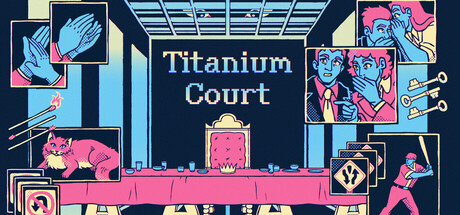
In March 2026, it went to Titanium Court by AP Thomson, who had also co-directed the previous year's winner, Consume Me. That made him the first person to win it in consecutive years (read the story).
How the IGF works
The IGF is held alongside the GDC Festival of Gaming, and its awards are decided by juries, with one exception, the Audience Award. Alongside the Grand Prize there are several Excellence awards and a few special prizes:
- Seumas McNally Grand Prize: the best independent game of the year.
- Excellence in Design, Narrative, Audio and Visual Art.
- Nuovo Award: for the most experimental, unconventional work.
- Audience Award: the only prize chosen by public vote.
- Best Student Game and the WINGS Award.
Being a finalist is an honour in itself, and many of the decade's best indie games appear on IGF shortlists long before they reach a wide audience.
A short history of winners
Some of the most influential indie games of the last fifteen years have won the Grand Prize:
- Papers, Please (2014): Lucas Pope's passport-checking drama, which also won for narrative and design (read more).
- Return of the Obra Dinn (released 2018): Pope's second Grand Prize, for a monochrome ghost-ship mystery.
- Inscryption (2022): Daniel Mullins' game-jam-born card game, which also won for design, narrative and audio (read more).
- Consume Me (2025): Jenny Jiao Hsia and AP Thomson's life-sim about a teenager and her relationship with food, which also won the Nuovo and WINGS awards (read more).
- Titanium Court (2026): Thomson's surreal match-3 strategy game, which also won for design.
The famous games that didn't win
The IGF's choices are not a popularity contest, and some huge hits came away without the top prize:
- Balatro received an honourable mention for the Grand Prize, despite sweeping The Game Awards (read more).
- Stardew Valley was nominated for the Grand Prize but did not win (read more).
- Undertale won the Audience Award in 2016 rather than a jury prize (read more).
- Animal Well received honourable mentions (read more).
- Baby Steps led the 2026 nominations with five, including the Grand Prize, and won for audio (read more).
Why it matters
The Game Awards reward what was popular; the IGF rewards what was new. Its winners are often personal, strange and formally daring, and they tend to influence other developers more than they top sales charts. If you want to know what indie games will look like in five years, the IGF finalist list is a better guide than any bestseller chart.
What to watch
The next IGF ceremony will take place during GDC 2027. Finalists are usually announced in the weeks before. Until then, every Grand Prize winner listed above is easy to find on PC, and most are on consoles and phones too.