Slay the Spire 2: How Mega Crit Rebuilt Its Masterpiece and Sold 3 Million in a Week
The game that invented a genre came back with a new engine, two new heroes and four-player co-op. Eight months into early access, here is the full story, from a Unity crisis to a 400,000-player launch and the arguments that followed.
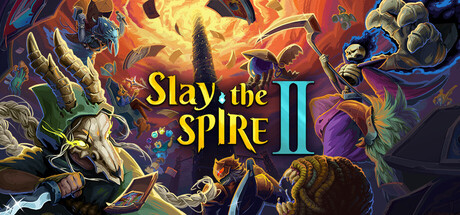
In the first weeks of its early access in late 2017, Slay the Spire sold about 2,000 copies. Its developers called it very slow. A few years later, the game was credited with popularising an entire genre, the roguelike deckbuilder, and dozens of card-battler hopefuls were following its map.
On 5 March 2026, Seattle's Mega Crit released the sequel. Slay the Spire 2 entered Steam early access for Windows, macOS and Linux, hit more than 177,000 concurrent players on launch day and more than 400,000 the next, and sold over 3 million copies in its first week.
The original: a slow start and a fast climb
To understand the sequel, start with the first game. Mega Crit's lead developers Anthony Giovannetti and Casey Yano set out to combine the run-based structure of roguelikes with deck-building card games such as Dominion. Giovannetti was also a fan of the card game Netrunner, and the branching map that lets you choose your path up the tower drew on FTL: Faster Than Light.
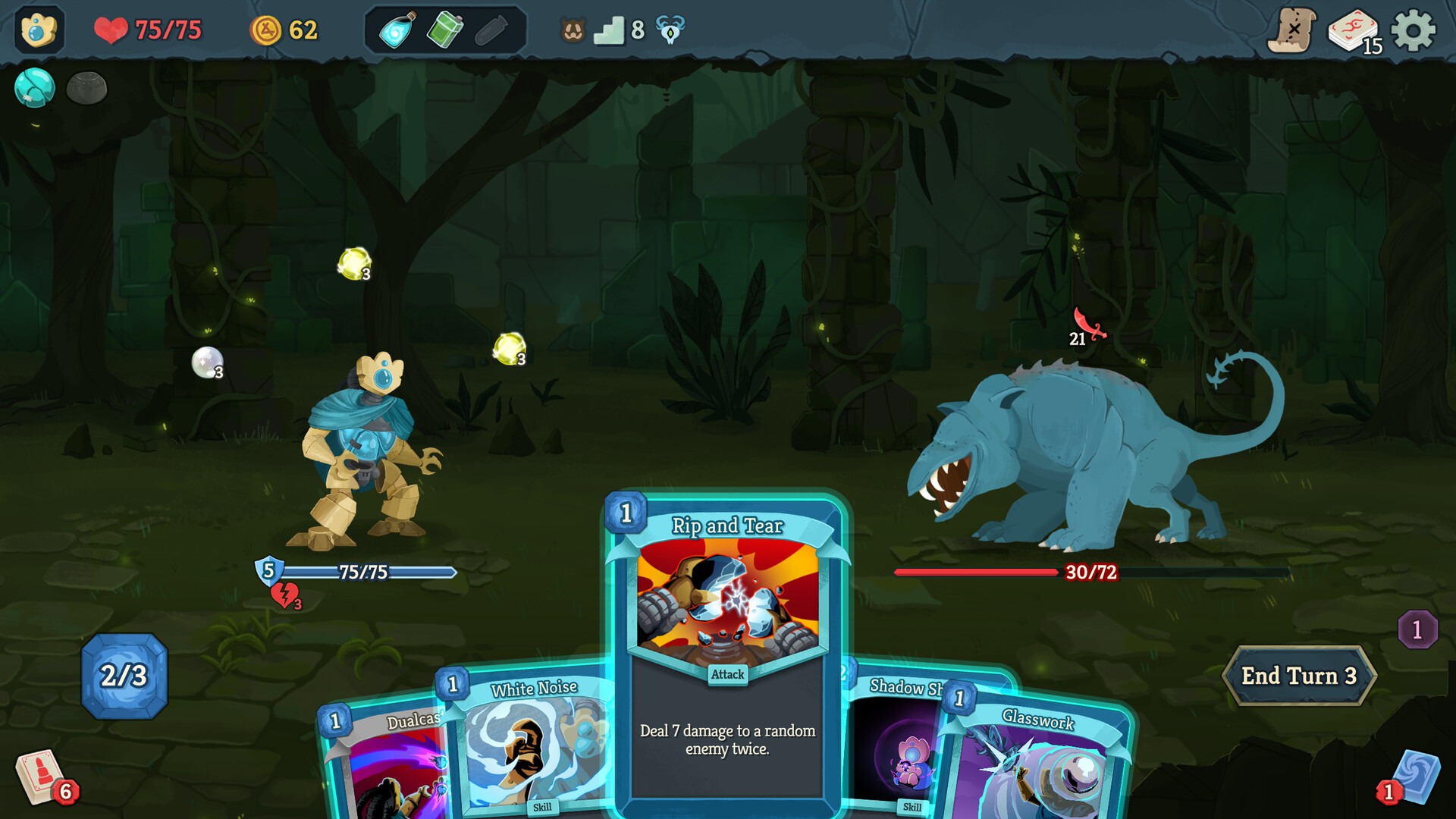
The idea is simple to explain and endless to master. You climb a tower floor by floor, fighting monsters with a deck of cards. After each fight you add a card, and occasionally remove one. Relics change the rules. Every run builds a different deck, and every decision, especially the cards you refuse, matters.
After that sluggish start, sales took off when a Chinese streamer with more than a million views featured the game. By the week ending 21 January 2018 it was Steam's second-best-selling game. It passed 1 million sales by the end of June 2018, left early access on 23 January 2019 and went on to PlayStation 4, Switch, Xbox One, iOS and Android.
Critics were just as enthusiastic. The PC version holds an 89 on Metacritic, and 98% of critics recommend it on OpenCritic. IGN named it the best strategy game of 2019, PC Gamer gave it its best design award that year, and it was a finalist for the IGF's Seumas McNally Grand Prize (read our guide to the award), as well as a nominee at The Game Awards, the Golden Joysticks and D.I.C.E.
Mega Crit self-published on PC, while Humble Bundle handled the console and mobile versions. When Humble's publishing division closed in July 2024, no further updates were planned for those versions. The sequel, for now, is on PC only: Windows, macOS and Linux through Steam. Mega Crit has not announced console or mobile versions of Slay the Spire 2.
A sequel, and an engine crisis
Mega Crit announced Slay the Spire 2 in April 2024, with early access planned for 2025. Behind the scenes, the studio had already lived through a crisis. In 2023, Unity announced a new runtime fee (a charge tied to installs) that alarmed developers across the industry. Unity later reversed the change, but Mega Crit had already decided to move the sequel to Godot, the free, open-source engine.
The switch was not cheap. It meant updating roughly two years of development that had been done in Unity. In hindsight, it also made Slay the Spire 2 one of the most prominent games ever built in Godot, alongside other indie hits such as Brotato (read our story).
In September 2025, Mega Crit delayed early access from 2025 into 2026, saying it wanted to make sure it was "upholding the quality bar". That patience was rewarded six months later.
What is new in the sequel
Slay the Spire 2 keeps the bones of the original and changes nearly everything on top:
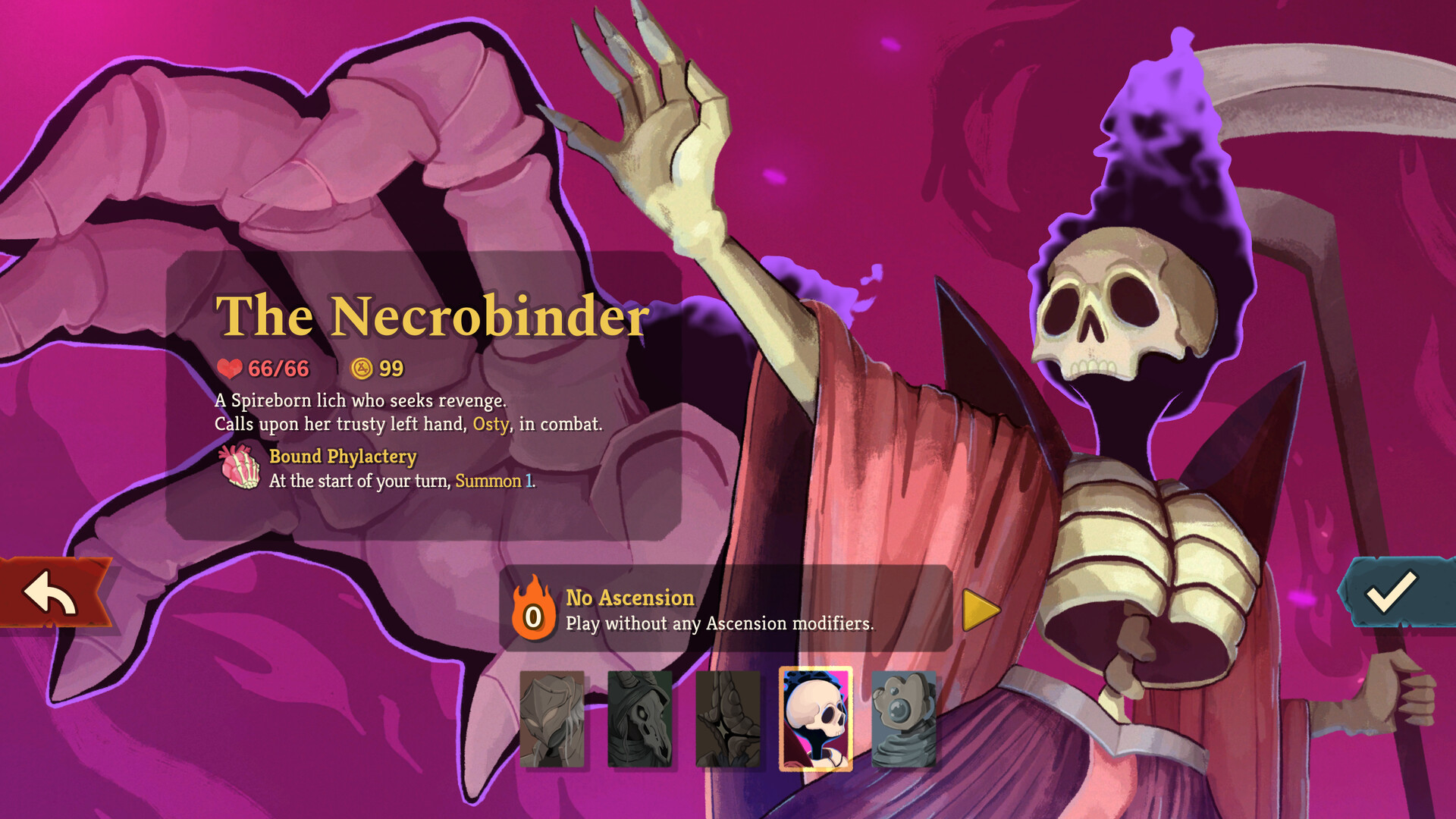
- Five characters at launch. Three veterans return, the Ironclad, the Silent and the Defect, joined by two newcomers, the Necrobinder and the Regent.
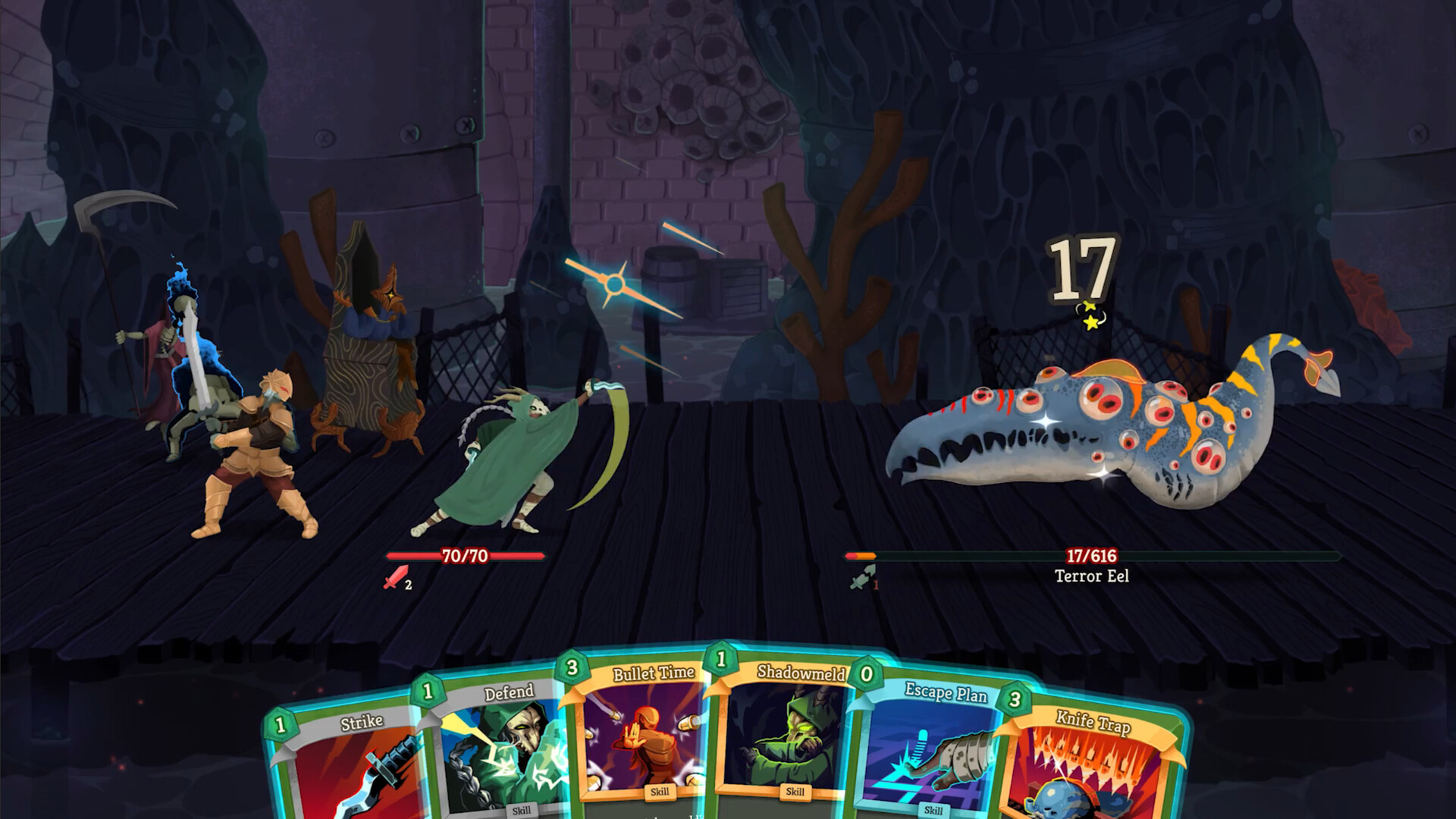
- Co-op for up to four players, a first for the series, alongside the classic single-player climb.
- A new engine, Godot, under the hood.
- Feature-complete early access. Mega Crit describes the early access build as mostly complete, with placeholder art on some cards and items. Most of the early access period is reserved for balancing.
The co-op mode is the biggest shift. Deckbuilders have traditionally been solitary, thoughtful games. Turning one into a party game, where four friends coordinate their decks against shared bosses, gives Slay the Spire 2 a social life the original never had, and it helps explain why so many players arrived at once.
By the numbers
- 2,000: rough copies sold in the original game's first weeks of early access
- 1 million: sales of the original by June 2018
- 177,000+: concurrent Steam players on Slay the Spire 2's launch day
- 400,000+: concurrent players on day two
- 3 million+: copies sold in the first week
- 5: playable characters at launch
- 4: players in co-op
Growing pains: patches and review bombs
Success brought noise. Slay the Spire 2's Steam reviews were hit by several review bombs (waves of negative reviews posted together, often about one issue rather than the game itself). Two were tied to balance patches and came mostly from players in the China region, a reminder of how large and passionate the series' Chinese audience is, more than eight years after a Chinese streamer helped rescue the original. A third wave in May 2026 was linked to a consultant listed in the game's credits.
Balance arguments are, in a sense, what early access is for. Mega Crit built its reputation on listening to data and players; the sequel's early access is the same process, just with a much larger and louder audience.
What's next
There is no full release date yet. Mega Crit has published an early access roadmap, but without dates attached to its goals. If the first game is a guide, the studio will take its time: Slay the Spire spent a little over a year in early access and kept adding content after that.
Why it matters
WGC's take: Slay the Spire 2 is the clearest proof yet that an indie studio can make a sequel at blockbuster scale without losing what made the original special. Mega Crit stayed independent, self-published on PC, made a risky engine switch on principle, delayed when it was not ready, and still launched to numbers most big publishers would envy.
It also shows how genres come full circle. The original inspired a wave of deckbuilders, and some of them, like Balatro (read our story), became giants in their own right. Now the genre's founder is back, competing with the games it inspired, and still setting the pace.
What to play next
New to the Spire? The original Slay the Spire is still the best tutorial for the sequel and runs on almost anything. If you want a deckbuilder with a completely different flavour, Balatro swaps monsters for poker hands, and Inscryption hides a horror story inside its card table (read our feature). For co-op chaos of another kind, try PEAK (here).