The DirectX Box: How Four Engineers Talked Microsoft Into Making a Console
Microsoft lost about $4 billion on its first console and then more than $1 billion fixing the second. It kept going anyway. The origin story of Xbox, from a side project to the red ring of death.
On January 3, 2001, at the CES trade show in Las Vegas, Bill Gates walked on stage with a professional wrestler. Dwayne "The Rock" Johnson was there to help the world's richest software executive unveil a games console. It was a strange sight, and it captured exactly how unlikely the Xbox was.
Microsoft made operating systems and office software. It had no history of building hardware for the living room. The Xbox started not as a corporate strategy but as a pitch by a few engineers who thought the company was about to lose the future of games to Sony.
Four engineers and a pitch
In 1998, four engineers on Microsoft's DirectX team, the group behind Windows' graphics and game technology, began pitching a console. They were Kevin Bachus, Seamus Blackley, Ted Hase and Otto Berkes. Their idea was a machine built from PC parts and running DirectX, which would make it easy for PC developers to make console games.
The working name was the "DirectX Box". In an email exchange, it was shortened to Xbox. The short name stuck.
Gates showed an early prototype during his keynote at the Game Developers Conference in San Jose on March 10, 2000. The following January came the official unveiling with The Rock.
Buying Halo
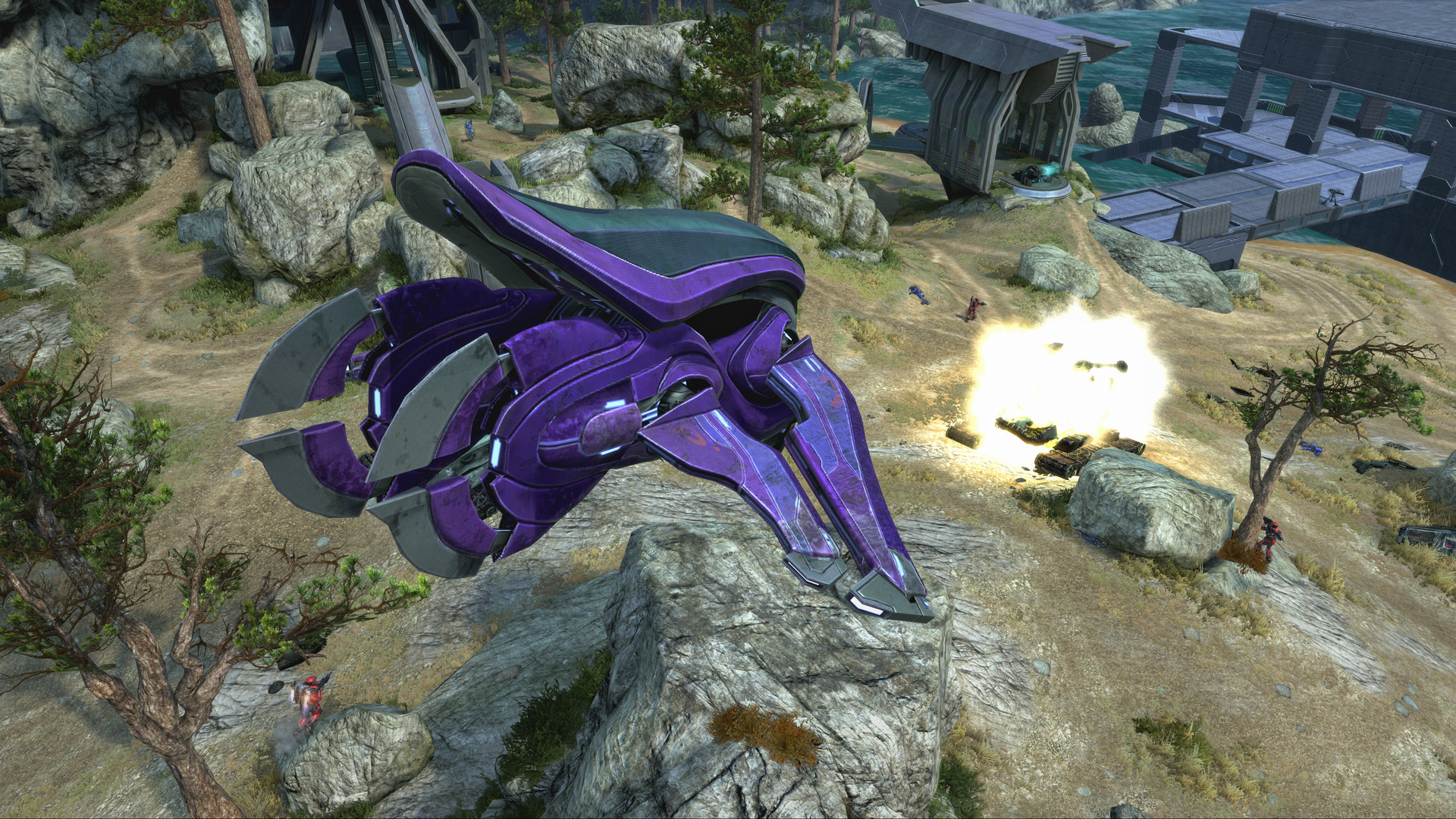
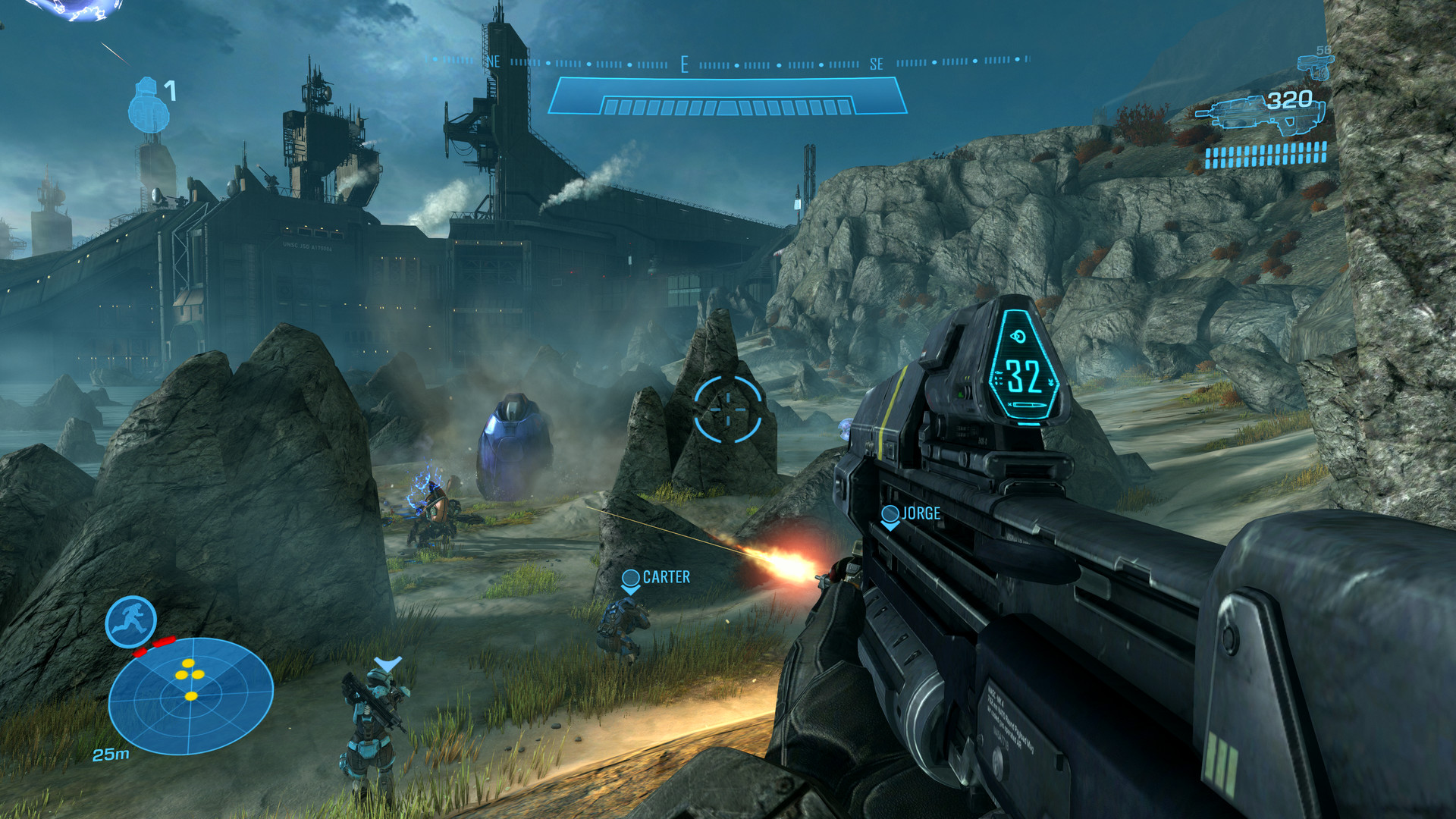
A console needs a reason to exist, and Microsoft found one in Chicago. In June 2000, it bought Bungie, a studio best known for Mac games, which was building a sci-fi shooter for PC and Mac. The acquisition turned Halo: Combat Evolved into an Xbox exclusive.
The Xbox launched in North America on November 15, 2001, at $299, with Halo as its headline game. Japan followed on February 22, 2002, and Europe on March 14, 2002. Halo became the system's defining hit and proved that a shooter could work on a console with a gamepad.
In November 2002, Microsoft launched Xbox Live, a paid online service that came with a headset in its starter kit. It made online multiplayer and voice chat a standard part of console gaming.
Losing money on purpose
Commercially, the first Xbox was a costly entry ticket. It sold about 24 million units, including 16 million in North America, far behind Sony's PlayStation 2. Microsoft lost roughly $4 billion on the console and did not turn a profit in the business until the end of 2004.
What it bought with that money was a seat at the table. Microsoft now had developer relationships, an online network and a famous franchise. That was enough to launch a successor early.
The red ring
The Xbox 360 launched in late 2005, a full year ahead of the PlayStation 3, and that head start helped it compete strongly with Sony for most of its life. But it had a hardware problem. Many consoles suffered a general hardware failure shown by three flashing red lights around the power button, soon known as the "red ring of death".
On July 6, 2007, Microsoft announced it would extend the warranty for that error to three years from purchase, covering both existing and new owners, and reimburse people who had already paid for repairs. It expected a pre-tax charge of $1.05 billion to $1.15 billion for the quarter. Peter Moore, the executive in charge of the games business, wrote an open letter admitting Microsoft had "not been doing a good enough job" and apologising to owners.
Why it matters
The Xbox story is about persistence as strategy. Microsoft entered a market dominated by Japanese companies with no hardware experience, lost billions, then paid more than a billion more to fix a defect, and still built one of the three major console brands.
Its biggest legacy may be what it normalised: online play as a paid subscription, voice chat, achievements and, later, the games-subscription model now led by Game Pass. We look at how that subscription business is changing in our Game Pass report.
WGC's take: the Xbox was born from four engineers who refused to let Sony own the living room, and much of what defines console gaming today came from that stubbornness.
To play where it started, Halo: The Master Chief Collection on PC and Xbox includes the original Halo: Combat Evolved.