Game Pass Went to $30, Then Back to $23: Inside Xbox's Subscription U-Turn
In October 2025, Microsoft raised Game Pass Ultimate by 50%. Six months later it cut the price and took Call of Duty off day one. What happened, and what it says about the limits of games subscriptions.
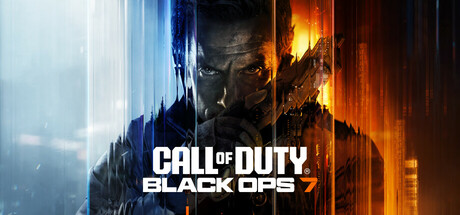
For most of its life, Xbox Game Pass was described with one word: value. Pay a monthly fee, get hundreds of games, including Microsoft's biggest new releases on the day they launch. Then, in October 2025, the price of the top tier went up by 50%, and the word changed.
Six months later, Microsoft did something platform holders almost never do. It cut the price again, and gave up the most expensive promise in the subscription: brand-new Call of Duty on day one. Here is how Game Pass got here.
The October 2025 overhaul
On October 1, 2025, Microsoft restructured Game Pass into three console tiers plus a PC plan, with these US monthly prices:
- Game Pass Essential (formerly Core): $9.99, unchanged. More than 50 games, online multiplayer and cloud play.
- Game Pass Premium (formerly Standard): $14.99, unchanged. More than 200 games, with new Xbox-made games added within a year of launch, Call of Duty excepted.
- PC Game Pass: up from $11.99 to $16.49.
- Game Pass Ultimate: up from $19.99 to $29.99, with a promise of 75 or more day-one games a year, including Call of Duty, plus EA Play, Ubisoft+ Classics and the Fortnite Crew subscription.
Microsoft framed the changes as more choice. Many players saw only the headline number: $360 a year for Ultimate.
Why Call of Duty was the problem
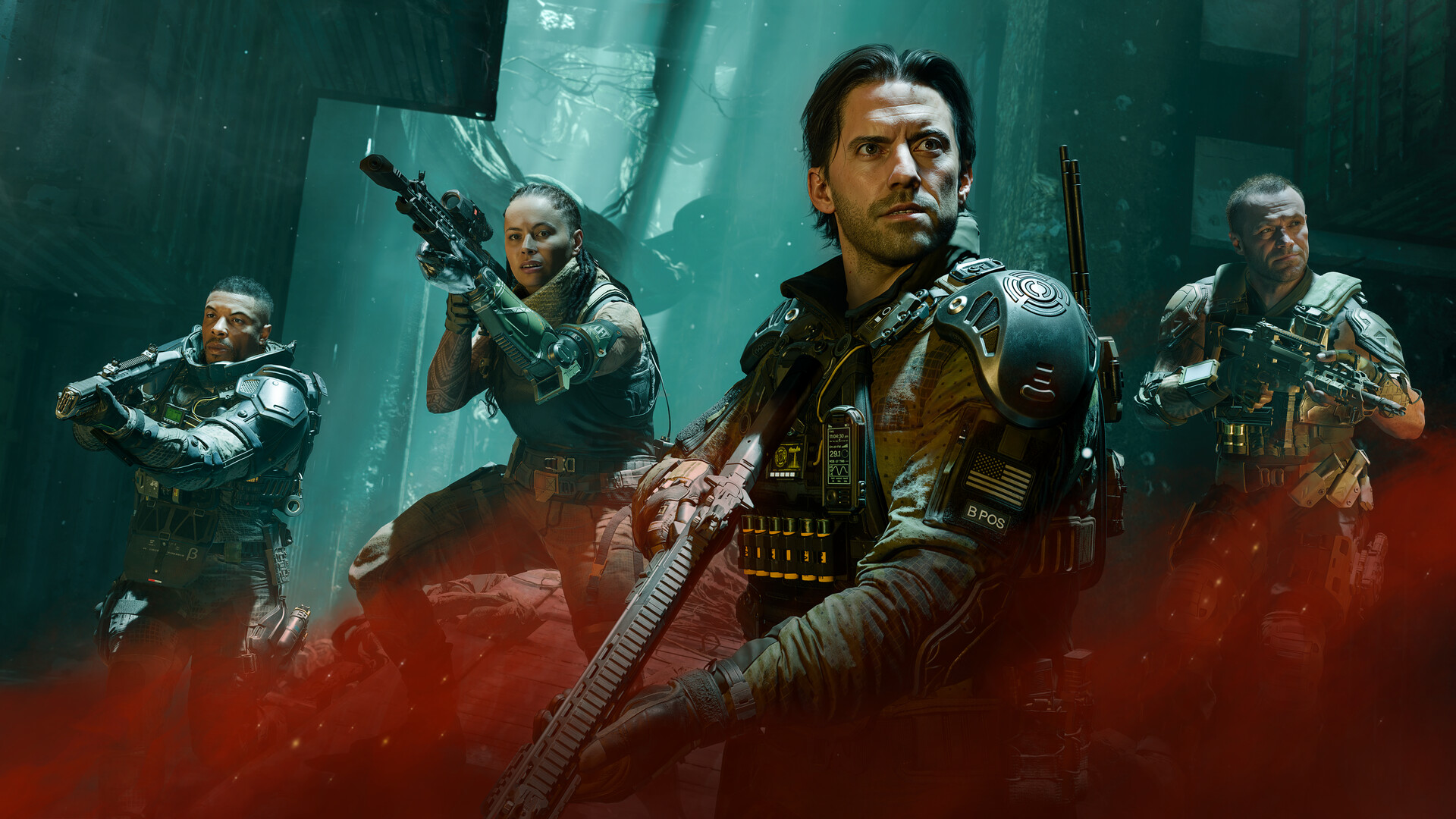
The core tension was Call of Duty. When Microsoft completed its acquisition of Activision Blizzard in 2023, putting the world's biggest annual shooter into Game Pass on day one looked like the ultimate selling point. But every player who played the new Call of Duty through a subscription was a player who did not buy it for $70.
Analysts had long argued that including a game of that size in a subscription cannibalised its sales. The October 2025 price rise looked like Microsoft trying to charge for that cost directly. Players' reaction suggested they did not want to pay it.
The April 2026 reversal
On April 17, 2026, Microsoft announced new prices:
- Game Pass Ultimate: down from $29.99 to $22.99.
- PC Game Pass: down from $16.49 to $13.99.
- Essential and Premium stayed at $9.99 and $14.99.
The catch: future Call of Duty games will no longer launch on Game Pass on day one. New entries will join the service around the following holiday season, roughly a year later. Existing Call of Duty games, including Black Ops 7, stayed in the library. Microsoft said the change responded to "a lot of feedback".
The cut came under Asha Sharma, who became Xbox's chief executive in February 2026 and had acknowledged that the service had become too expensive.
Did the price rise cost subscribers?
Microsoft has not published subscriber figures for this period. But in an internal memo reported by The Verge in May 2026, Sharma wrote that growth slowed and subscriber loss "accelerated" after the 2025 pricing changes. She also wrote that since the price cut, Xbox had seen new sign-ups grow and retention improve, calling it "a good first step".
That is an unusually frank admission. It also confirms what many in the industry suspected: there is a ceiling on what players will pay monthly for games, and $30 was above it.
Why it matters
Games subscriptions were supposed to be the industry's "Netflix moment". Game Pass shows the hard part. A subscription works best when it is full of good games that would not sell many copies on their own. It works badly when it includes the one game everyone would have bought anyway.
Microsoft's answer is now a mix: a cheaper subscription for the long tail, and Call of Duty sold the traditional way at launch. It is closer to how film studios use streaming, with big releases in cinemas first.
WGC's take: the April cut was the right call. Game Pass at $22.99, without day-one Call of Duty, is a clearer deal than Game Pass at $29.99 with it. The open question is whether Microsoft's other big first-party games stay day-one, and whether the subscription grows again now that the price has come down.
For how Xbox got into the console business in the first place, read our Xbox origin story.