Steam's 30% Cut on Trial: The Two Lawsuits That Could Change PC Gaming
A small studio's case in Seattle now speaks for thousands of developers. A UK claim speaks for 14 million players. Both target the same thing: how much Valve takes, and how it keeps prices in line. Where they stand.
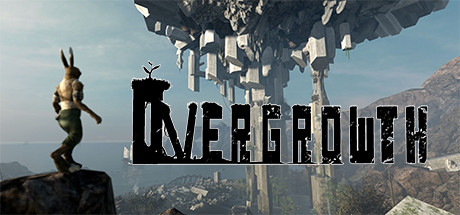
In April 2021, a small studio best known for a game about kung fu rabbits sued one of the most powerful companies in PC gaming. Wolfire Games, maker of Overgrowth, accused Valve of using Steam's dominance to keep its commission high and stop developers from selling games more cheaply elsewhere.
Five and a half years later, that case speaks for thousands of developers, and a separate claim in the UK speaks for about 14 million players. Neither has yet decided whether Valve broke competition law, but both have cleared the hurdles that end most cases like them. Here is what they are about.
The fee at the centre
Steam takes 30% of each sale by default. Since October 2018, the rate drops to 25% once a game passes $10 million in revenue, and 20% after $50 million. That means the biggest publishers pay less, while most small developers pay the full 30%.
Rival stores charge less. The Epic Games Store takes 12%, and nothing on a game's first $1 million each year; Microsoft's PC store also takes 12% on games. Valve argues that Steam's services, from its huge audience to its community features, justify the price. The lawsuits argue that it can only charge that much because developers have nowhere else to go.
The US case: Wolfire v. Valve
Wolfire filed in April 2021 in the US District Court for the Western District of Washington, in Seattle, near Valve's home. In November 2021, the judge dismissed the first version but let Wolfire amend it. In May 2022, Judge John C. Coughenour allowed the revised case to proceed, finding it plausible that Valve uses its market power to threaten and retaliate against developers who sell games for less on other stores. A similar suit from Dark Catt Studios was combined with it.
The heart of the case is what lawyers call a "most favoured nation" clause. The plaintiffs say Valve requires price parity, meaning a game cannot be sold for less on another store than on Steam, through a mix of written and unwritten rules, and enforces it by removing games from promotions or threatening to delist them.
In November 2024, Judge Jamal N. Whitehead certified the case as a class action. The class covers developers and publishers who paid Valve a commission on Steam sales since January 28, 2017, where they were US-based or the buyer was. One analysis put it at roughly 32,000 members. The judge also refused Valve's request to exclude the plaintiffs' economic expert.
The UK claim: 14 million players
The second case comes from the consumer side. In June 2024, digital rights campaigner Vicki Shotbolt, chief executive of Parent Zone, filed a claim at the UK's Competition Appeal Tribunal on behalf of about 14 million UK Steam users, seeking about £656 million.
It alleges that Valve abuses a dominant position by charging commissions of up to 30% it calls excessive, by using price parity obligations that stop publishers offering lower prices elsewhere, and by tying purchases of add-on content to Steam, so that DLC for a game bought on Steam must also be bought there.
On January 26, 2026, the tribunal rejected Valve's attempt to stop the claim at an early stage. That was not a ruling on the merits: the tribunal found only that the claim meets the legal requirements to go forward.
What could change
If either case succeeds, the possible outcomes range from damages to changes in how Steam works. The obvious ones would be lower fees, or the freedom for developers to sell the same game more cheaply on other stores and their own websites without risking their Steam visibility. A ruling on DLC could also let players buy add-ons outside Steam for games they own there.
None of that is certain. Antitrust cases take years, Valve disputes the claims, and both cases could still be lost, settled or narrowed. Valve also has a strong argument with the public: many players like Steam and see its features as worth paying for, something we explore in our history of Steam.
Why it matters
The 30% cut is the closest thing the games business has to a tax. It shapes game prices, developer profits and how much money is left for the next project. Mobile app stores have already been forced by courts and regulators to change their rules. These two cases ask whether the PC's dominant store should face the same scrutiny.
WGC's take: Steam earns its users' loyalty with real features. But if the price-parity allegations are proven, that is a different matter: it would mean players everywhere paid more because a cheaper option was quietly discouraged. That is the part of these cases worth watching most closely.