Inside Valve: No Bosses, Desks on Wheels and About 350 People Running PC Gaming
Valve runs the world's biggest PC store, makes hardware and still ships games, with a staff smaller than many single game studios. How its famous flat structure works, according to its own handbook and court records.

Imagine a company that earns billions of dollars a year, runs the dominant store for PC games, makes its own consoles and VR headsets, and has a staff of roughly 350 people. Now imagine that, officially, none of them has a boss.
That company is Valve, and its unusual structure is one of the most talked-about in business. It was laid out in Valve's own Handbook for New Employees, made public in 2012, and the numbers behind it came out years later in court documents from an antitrust lawsuit.
"Welcome to Flatland"
Valve was founded in 1996 in Kirkland, Washington, by Gabe Newell and Mike Harrington, two former Microsoft employees. Harrington later left, and Newell has led the company ever since. According to the handbook, Valve is self-funded: it has never taken outside financing and it owns its own intellectual property.
The handbook's most famous claim is that Valve has no traditional management. Nobody formally reports to anybody. Even Newell, it jokes, is the most "not your boss" person at the company.
So how does work get done? Employees are expected to choose their own projects, with 100% of their time self-directed, not the 10 or 20% some tech firms allow. People "vote with their feet": a project that attracts volunteers grows, one that does not fades away. Teams that form around a product are called cabals, and team leads act more as information hubs than managers.
How Valve judges its people
No bosses does not mean no pressure. The handbook describes a yearly stack ranking in which each group ranks its own members, never themselves, on four things: skill, productivity, group contribution and product contribution. Pay is meant to follow that peer-assessed value, and Valve says it pays very well.
Hiring is described as "the single most important thing you will ever do at Valve". The company looks for "T-shaped" people: broad generalists who are also deep experts in one area. And it is relaxed about failure: the handbook says that "nobody has ever been fired at Valve for making a mistake", though repeating the same one is another matter.
The handbook is unusually honest about weaknesses too. It lists things Valve is not good at, including helping new people find their way, mentoring, sharing information internally and making predictions more than a few months out.
How big is Valve, really?
Because Valve is private, it does not publish figures. The best numbers came from documents in Wolfire Games' 2021 antitrust lawsuit over Steam's fees, which we cover in our Steam 30% story. They showed Valve had 336 employees in 2021:
- 181 in games
- 79 on Steam
- 41 in hardware
- 35 in administration
Headcount has been remarkably stable: about 330 in 2013 and around 360 in 2016. Valve is smaller than many single AAA studios, never mind giants like EA or Ubisoft.
Revenue is harder to pin down. Estimates vary widely: Sensor Tower put Steam's 2025 revenue at about $11.7 billion, while another analyst estimate cited in late 2025 put Steam at about $16.2 billion for the year so far. Using estimates like these, some reports calculated that Valve earns close to $50 million per employee, more per person than Apple, Google or Microsoft.
Why it matters
Valve is the closest thing the games business has to a natural experiment. A tiny, self-funded company with no managers runs one of the most important platforms in the industry, and has done so for twenty years. Critics say the structure makes Valve slow to ship games and hard to hold accountable; fans point to Steam, Half-Life and the Steam Deck.
WGC's take: the flat structure works for Valve because Steam pays for everything. Few studios could copy it without a money machine of their own. For the story of how that machine was built, see our Steam history.
What to play next
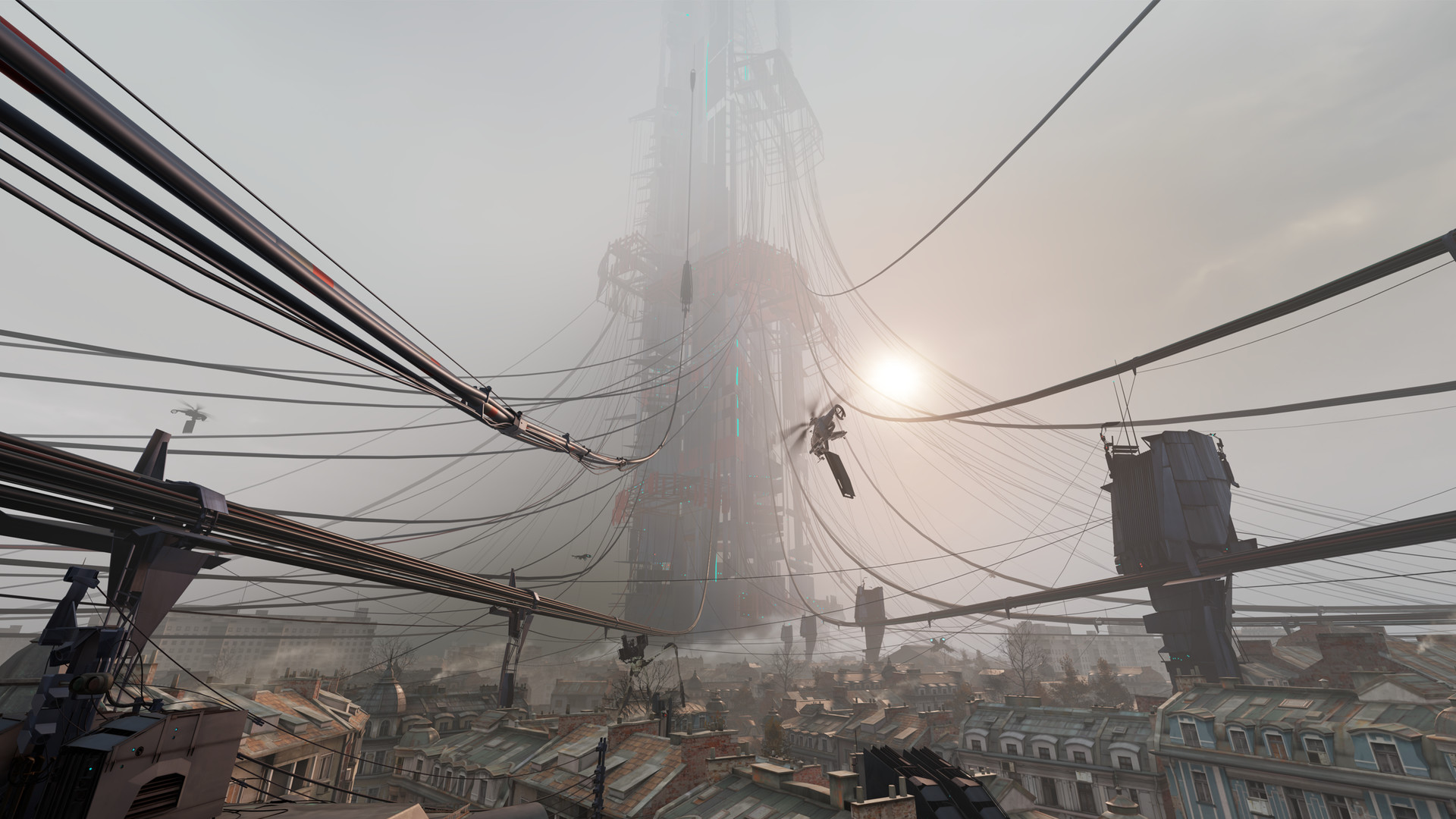
- Half-Life: Alyx, Valve's 2020 VR game and a showcase for what its small teams can do.
- Counter-Strike 2 and Dota 2, still among the most played games on Steam, both free to play.