Valheim 1.0 Two Months On: Five Years in Early Access, 168,000 Vikings Back
Iron Gate's Viking survival hit finally left early access on September 9 with the Deep North, crossplay and debuts on PS5 and Switch 2. Here's what 1.0 added, how many players came back, and how five people built a phenomenon.
In February 2021, while much of the world was stuck at home, a game made by five people in Sweden took over Steam. Players were chopping trees, sailing longships and getting flattened by trolls in a Norse purgatory, and they kept inviting their friends. Five and a half years later, that game is finally finished.
Valheim left early access and reached version 1.0 on September 9, 2026. The release added the Deep North, the game's final biome, and brought Valheim to PlayStation 5 and Nintendo Switch 2 for the first time, with full crossplay across PC, Mac, Linux, Xbox and the new consoles. On Steam it costs $29.99.
The Deep North
The new region is everything the name promises: frozen tunnels, crumbling castles and snow so heavy you need to craft a shovel to clear the ground before you can build. The 1.0 update also brought new weapons and dungeons, new building pieces, improved world generation, combat and skill changes, story cinematics and a final boss to close the journey.
The comeback in numbers
Valheim's original launch is one of early access's great stories. After entering Steam on February 2, 2021, it sold more than 5 million copies in about a month and peaked at over 500,000 concurrent players on February 21, 2021. It topped Steam's revenue-based bestseller chart for four weeks in a row.
The 1.0 release brought a second wave. On launch, Valheim drew more than 168,000 concurrent players on Steam, its highest count since that first early access rush. Recent Steam reviews sat at about 95% positive.
How five people built a phenomenon
Iron Gate was tiny when Valheim blew up, and that shaped everything about the game's development. Big updates came slowly: Hearth & Home reworked food, then Mistlands and Ashlands added new biomes. Each was large, and each took time. Fans grumbled about the pace, but the game's reviews stayed high because each update was substantial.
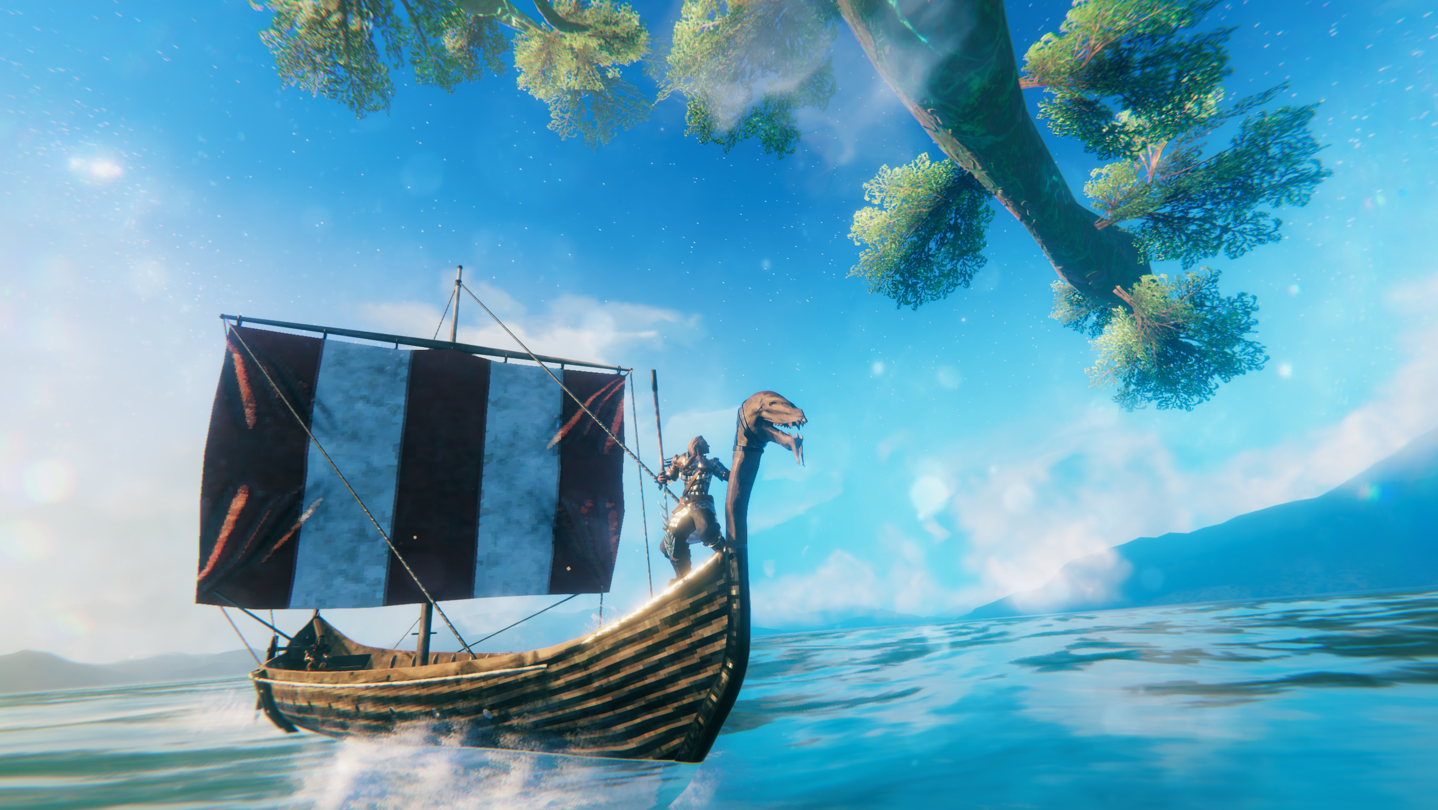
The design itself is part of the appeal. Valheim gives you no quest log, just a raven named Hugin with occasional advice and a list of bosses to sacrifice your way through. Its low-poly art looks rough in screenshots and beautiful in motion, especially when the light hits the water.
What 1.0 means for players
If you played in 2021 and stopped, the 1.0 version is a very different game: three more biomes (Mistlands, Ashlands and the Deep North), a finished boss chain, crossplay with console friends and a proper ending. If you've never played, it's one of the friendliest ways into survival-crafting, because it's built around small groups of friends rather than hostile strangers. A server for up to 10 players is enough to build a village together.
Publisher Coffee Stain has offered regular discounts, and at the time of writing Valheim was 10% off on Steam in a week-long deal ending November 16.
Why it matters
Early access has a reputation problem: too many games launch, sell well and never finish. Valheim is the counter-example. It took more than five years, but Iron Gate delivered the biome it promised, added an ending and brought in new platforms without abandoning PC players. For how Valheim fits into the wider history of survival games, from Minecraft to DayZ to Rust, read our survival-crafting feature.