Umamusume Goes Global: How Horse Girls Out-Earned Japan in Two Months
For four years the West watched Japan's strangest megahit from the outside. Then Cygames opened the gates, and US players nearly matched Japan's spending. The story of the launch, and why a game about racehorse girls works.

In 2003, a small racehorse named Haru Urara became a national celebrity in Japan for one reason: she kept losing. She finished her career with 113 starts and zero wins, and crowds came to cheer her anyway. Two decades later, she is one of the most beloved characters in a game that has made billions, Umamusume: Pretty Derby, which finally launched for the rest of the world in 2025.
Cygames released the English-language version worldwide on 26 June 2025 for iOS, Android and PC through Steam. The game was already a phenomenon at home, with more than $2.5 billion in lifetime player spending in Japan, according to AppMagic. What nobody expected was how quickly the rest of the world would catch up. In its first two months, players outside Japan spent about $46.8 million on mobile, 57% of the total, against $35.4 million in Japan.
What exactly is a horse girl?
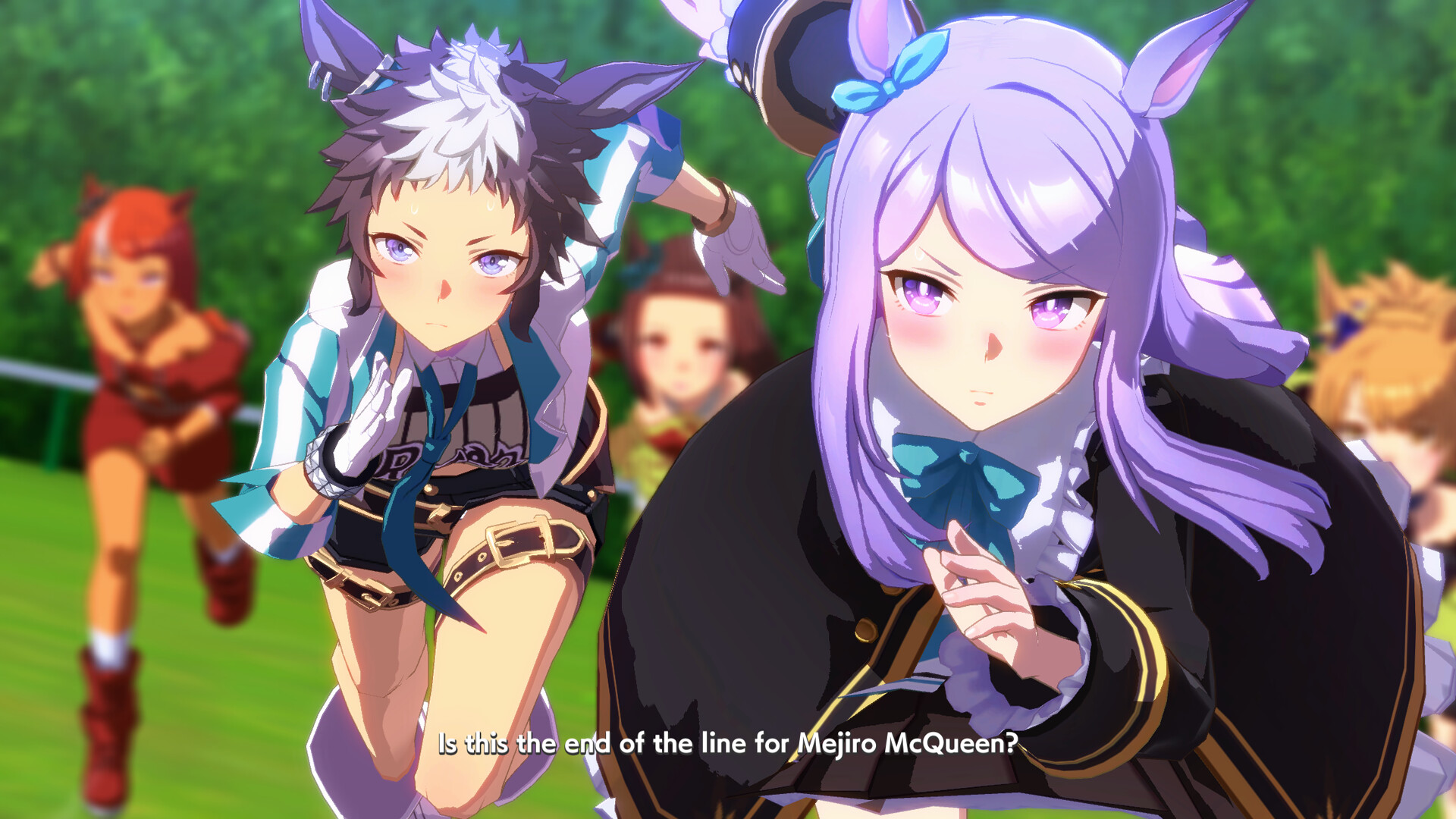
The premise sounds like a dare. Real Japanese racehorses, used with their owners' permission, are reimagined as girls with horse ears and tails who attend a racing academy. You pick one, train her across a three-year career, and guide her through the real races her namesake ran.
The training mode is the heart of it. Each turn you choose what to work on, speed, stamina, power, guts or wits, while managing her mood, her energy and the risk of injury. Support cards, which you collect through the gacha (random-draw shop), give bonuses and trigger story events. It is a deck-builder, a life sim and a horse-racing manager wearing one very colourful outfit.
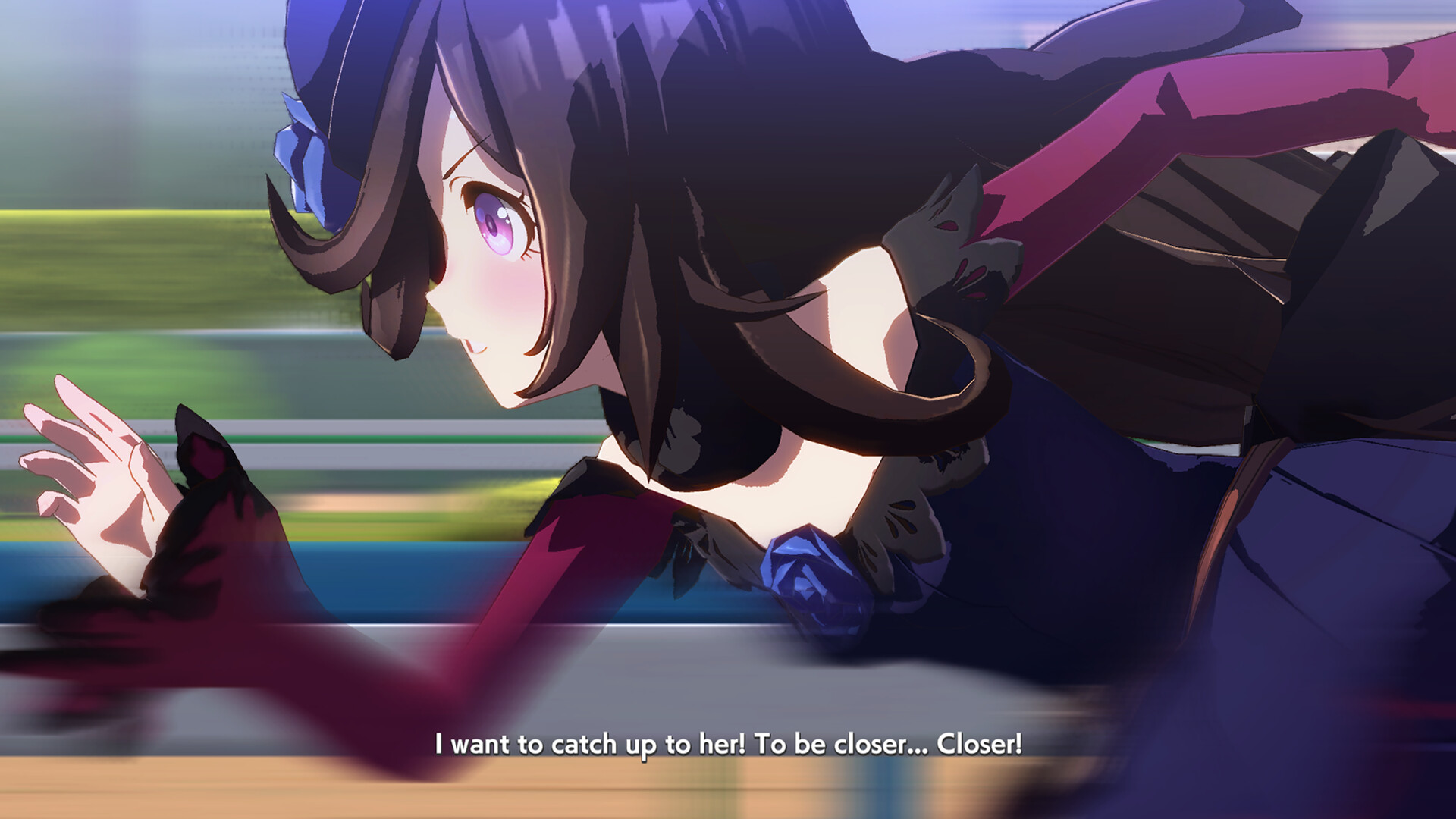
Then the races themselves play out as fully animated runs, and the winner gets something no real horse ever had: a live concert on stage after the race.

A long road to the starting gate
Umamusume was announced in 2016, alongside plans for an anime. The game slipped for years while the anime, made by P.A. Works, aired first in 2018. When the game finally launched in Japan on 24 February 2021, it exploded. Players spent almost $1 billion on it in Japan that year alone.
Like most gacha games, it cooled after its peak. Japanese spending fell to about $331 million in 2024. That decline is part of why a global launch made sense: the audience at home was mature, and fans abroad had been asking for years.
Korea got there first. Kakao Games published a Korean version in 2022, which became a top-grossing hit and, later that year, the target of a famous player protest over how the service was run. Korean fans hired trucks with LED screens to drive messages past the publisher's office, a now-classic form of fan protest in the country.
By the numbers
- 24 Feb 2021: Japan launch
- ~$1 billion: Japanese player spending in 2021
- $2.5 billion+: lifetime Japanese spending before the global launch
- 26 Jun 2025: global launch on iOS, Android and Steam
- $22.8 million: overseas mobile spending in the first 30 days
- $46.8 million vs $35.4 million: overseas vs Japan mobile spending in the first two months
- $31 million: US mobile spending in those two months, second only to Japan
The American surprise
The biggest shock in the data was the United States. In the first two months, US players spent about $31 million on mobile, roughly 87% of what Japanese players spent over the same period. Canada ranked third in the world. A game rooted in Japanese racing history, with character names most Westerners had never heard, became a North American hit almost overnight.
Part of the answer is timing. The anime and years of memes had built an audience that already knew the characters. Clips of the race concerts and Gold Ship's chaotic antics had circulated online for years. When the game arrived, there was a crowd waiting at the gate.
The Steam version mattered too. On PC, the game collected around 1,500 "Overwhelmingly Positive" user reviews within a day of launch, unusual for a free-to-play gacha title, where Steam review sections are often hostile.
Why PC mattered
Most gacha games treat PC as an afterthought. For Umamusume, it was part of the plan. Training runs are long, menu-heavy sessions, and many players prefer a big screen and a mouse when they are juggling stats, skills and support decks. The Steam release also put the game in front of PC players who would never browse a mobile store for an anime sports title.
It helps that progress is shared. Players can train a horse girl on their lunch break on a phone and finish the run at home on a monitor. That flexibility is now normal for big Asian live-service games, from Genshin Impact onward, but it is still rare for a title that began life as a mobile-only release in Japan.
Why it works
It is a strategy game first. Training a horse girl well is genuinely hard. Every run is a puzzle of risk and reward, and players share builds, guides and spreadsheets the way PC strategy fans do.
It takes the real history seriously. The game reflects real rivalries, real injuries and real heartbreaks from Japanese racing. Fans who started for the characters end up reading about 1990s races, and racing fans in Japan were drawn in by the respect shown to horses they remembered.
The global version arrived fully stocked. Cygames launched with four years of Japanese content to draw on, so the global team can release characters, cards and scenarios that are already balanced and proven. Few new games start with that kind of runway.
The risks
The global version is running years behind Japan's content calendar, which is both a strength and a trap. Players know which characters and cards are coming, so they save their premium currency and spend in bursts. That makes revenue spiky and leaves the publisher under pressure to speed up releases, which in turn risks burning players out.
There is also the gacha itself. Support cards matter a lot, and duplicates make them stronger, so the most competitive players spend heavily. Keeping casual players feeling competitive is a balancing act that every gacha game eventually faces.
What to watch next
- Content pace: how quickly the global version closes the gap with Japan.
- Spending in year two: whether US and Canadian players stay once the launch excitement fades.
- New scenarios: each new training scenario reshapes the game, and the big ones are still to come globally.
WGC's take: Umamusume is a reminder that "too Japanese for the West" is usually a guess, not a fact. Cygames kept its odd premise intact, launched on PC as well as phones and arrived with a generous version of a deep game. The result is a global hit built on a horse who never won a race. That alone makes it one of the best stories in mobile gaming this decade, and a strong hint that other Japanese hits once thought too local could travel much further than their publishers assume.