From StarCraft Maps to No. 1: Korea's Tower Defense Boom
In February 2026, tower defense became the most downloaded game genre in Korea for the first time. The games are small, cute and fiendishly social, and the studio behind Lucky Defense is now selling them to the world.
Every Korean who grew up in a PC bang knows the feeling. A friend opens a StarCraft custom map, you build defenses along a winding path, and wave after wave of enemies marches toward the exit while you argue about who should have built what. Tower defense was never an official genre in those days. It was something players made for each other.
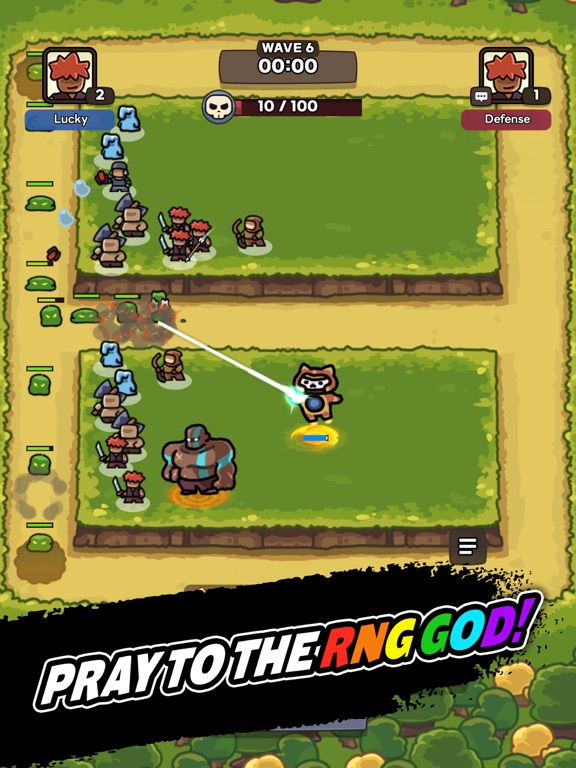
Twenty-five years later, it is one of the hottest genres on Korean phones. According to Sensor Tower data reported by Byline Network, tower defense ranked No. 1 by downloads in Korea for the first time in February 2026, and since March 2025 it has been the second-biggest earner in the strategy category, behind only 4X games. Leading the charge are Korean games such as Lucky Defense (known in Korea by a cheeky slang title about luck) and its co-op follow-up, Coop TD: Together.
A genre born from mods
Tower defense has deep roots. Rampart (1990) is generally credited with establishing the prototype, with players placing defenses and repairing them between waves. But the genre as most people know it grew from player-made maps. Turret Defense, a StarCraft: Brood War custom map, appeared in May 2000, and Sunken Defense followed in November 2001. Warcraft III (2002) took custom tower defense further, and by 2007 browser hits like Desktop Tower Defense had turned it into a mainstream genre.
Why tower defense works on phones
Tower defense fits a phone almost perfectly. A round lasts a few minutes, the controls are simple taps, and the depth comes from choices: which unit to place, where, and when to upgrade. The Korean hits add two ingredients that suit the country's gaming culture.
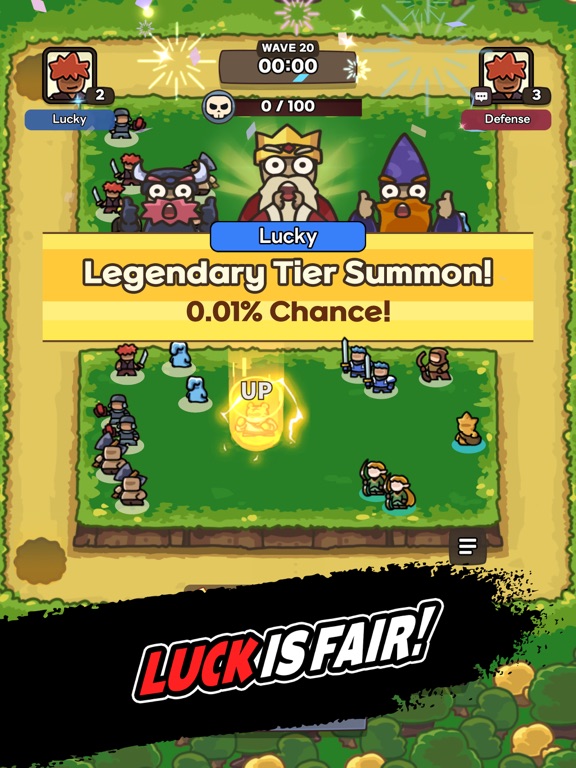
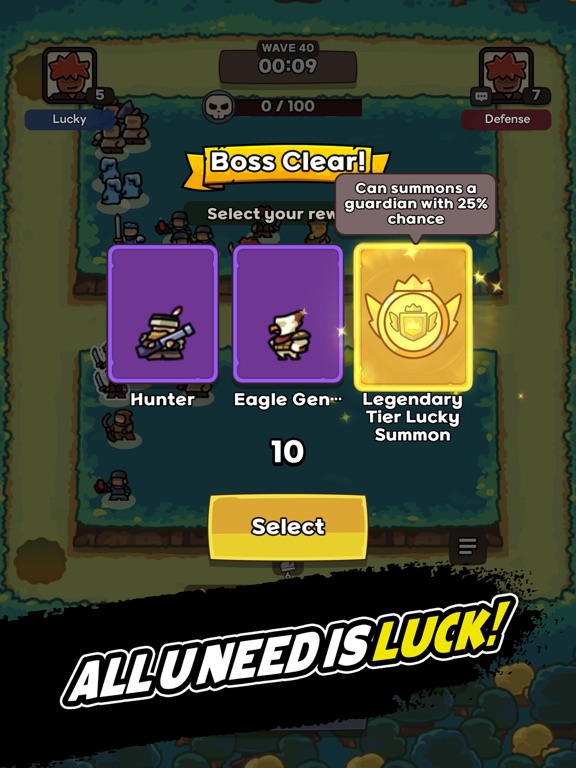
The first is luck. Lucky Defense's Korean name roughly means "a game with a lot of luck", and random unit draws make every round a little different and give players stories to share. The second is co-operation. Coop TD: Together, as its name says, is built around playing with another person, echoing the PC bang tradition of defending a map side by side with a friend.
From Korea to the world
The studio behind both games, 111%, is one of the quiet success stories of Korean mobile gaming. Sensor Tower's 2026 report found that its overseas revenue grew 82% in the first three quarters of 2026, and credited Coop TD: Together, whose overseas revenue overtook the earlier hit Lucky Defense, as a key driver of that growth.
It fits a wider pattern. Korean mobile publishers now earn about 49% of their in-app revenue abroad, up from 44% in 2021, and 92% of their downloads come from outside Korea. Small Korean studios making light, replayable games, including Supercent, 5minlab and ACTIONFIT, have been among the fastest growers, and Korean publishers' overseas revenue from hybrid-casual games doubled over the past year.
Why it matters
For years, Korea's mobile market was defined by expensive MMORPGs from big publishers. Tower defense shows another side: small teams, simple games and a tradition that goes back to StarCraft maps in PC bangs. WGC's take: Lucky Defense and Coop TD are proof that a Korean mobile hit does not need a famous IP or a movie-star ad campaign. Sometimes it just needs a good idea, a bit of luck and a friend to play with. Watch 111% and its peers; they may be the Korean mobile exporters to know in 2027.