Tencent's Home Games Grow 17% as Delta Force and VALORANT Hit Records
China's games giant grew domestic game revenue to RMB 47.3 billion in the second quarter, while overseas revenue stalled on currency and softer Supercell games. What drove the quarter, and the surprise hit nobody saw coming.

The biggest games company in the world by revenue does not make headlines for its games as often as it should. Tencent's second quarter of 2026 is a good reason to pay attention.
In results published on August 12, 2026, for the three months to June 30, Tencent reported domestic games revenue of RMB 47.3 billion, up 17% year on year. International games revenue was RMB 18.6 billion, down 0.8% in reported terms because of currency movements, but up 4% at constant exchange rates. Two of its shooters, Delta Force and VALORANT on PC, reached record average daily active users.
What drove China
Tencent said most of its major domestic games grew, and it named three in particular:
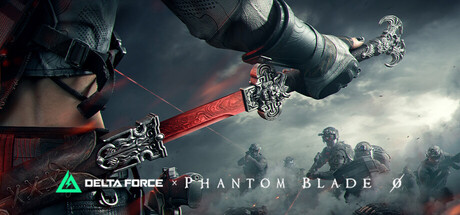
- Delta Force, the free-to-play tactical shooter, which hit a lifetime high in average daily users.
- VALORANT on PC and mobile, with the PC version also at a record.
- Roco Kingdom: World, a new mobile game that ranked first among all new mobile titles released in China this year, by both average daily users and gross receipts.
That last one is the surprise of the year so far. In a Chinese mobile market crowded with heavy hitters, a pet-collecting adventure based on an existing Tencent series has outperformed every other new launch.
Why overseas was flat
Abroad, the picture was mixed. Wuthering Waves and VALORANT PC grew, but Tencent pointed to lower revenue from certain Supercell games as an offset. Supercell, the Finnish maker of Clash of Clans, Clash Royale and Brawl Stars, is majority-owned by Tencent, so its swings show up directly in Tencent's international line.
Currency did the rest. A stronger renminbi made overseas sales look smaller once converted, turning 4% underlying growth into a small reported decline.
The bigger picture
Games are one part of a much larger company. Tencent's value-added services, the segment that includes games and social networks, grew 8% to RMB 98.4 billion, and total revenue grew about 11%, helped by AI-driven advertising. But profit fell short of analyst expectations, and Tencent's spending on AI is rising fast: capital expenditure was RMB 52.8 billion, up 176%.
That matters for games because Tencent's game business is the steady cash engine that pays for those bets. A 17% rise at home is exactly what the company needs while it builds data centres.
Why it matters
Tencent's quarter is a useful counterweight to the gloomy Western headlines of 2026. While Epic, Xbox and EA cut jobs, Tencent's biggest games at home were growing, led by competitive shooters and a brand-new mobile hit. For comparison, in the following quarter Sony's PlayStation business grew sales by 9% and Xbox revenue fell 2%, so a 17% rise in a market as mature as China's stands out.
It also shows where the growth is. The strongest games were long-running live services in China and a new local IP, not new global blockbusters. For overseas, Tencent depends heavily on companies it owns, such as Supercell and Miniclip, and on partners like Kuro Games, the maker of Wuthering Waves.
What to watch
- Tencent's third-quarter results, the next test for Delta Force and Roco Kingdom: World.
- Supercell's games, which have weighed on international revenue.
- AI spending, which will keep pressure on Tencent to keep its games profitable.