Team Liquid at 25: From a StarCraft Forum to Magnus Carlsen's Club
It began as a Dutch Brood War clan with a fan site. A quarter of a century later Team Liquid runs Liquipedia, owns two Aegises and counts the world chess champion as a player.
In 2000, a handful of Dutch StarCraft: Brood War players formed an online clan. A year later they started a StarCraft news website. That site, TL.net, became the English-speaking world's window into Korean StarCraft, and the clan became Team Liquid, now one of the biggest esports clubs on the planet.
In 2026 Liquid has been celebrating its 25th anniversary, and it has had plenty to celebrate on the field. It won the LCS in North America, an Apex Legends LAN in Las Vegas and two Esports World Cup titles in Paris, one of them with the world's best chess player. Here is how a forum turned into a multi-game giant.
A clan, a website and Liquipedia
Liquid's founder, Victor Goossens, still runs the club as co-CEO. In its early years Liquid was better known for its writing than its winning: TL.net translated Korean news, covered OnGameNet and MBCGame and built a community of foreign StarCraft fans. The club also created Liquipedia, the wiki that now records results, rosters and brackets across almost every esport and that journalists, including us, use every day.
Expansion came in steps. Liquid moved into Dota 2 in 2012 by acquiring a North American team. In 2015 it merged with Team Curse, and Steve "LiQuiD112" Arhancet became co-owner; he and Goossens now share the CEO role. In 2016 Liquid sold a controlling stake to aXiomatic Gaming, an investment group that includes Hollywood producer Peter Guber and US sports owner Ted Leonsis.
Two Aegises and a Grand Slam
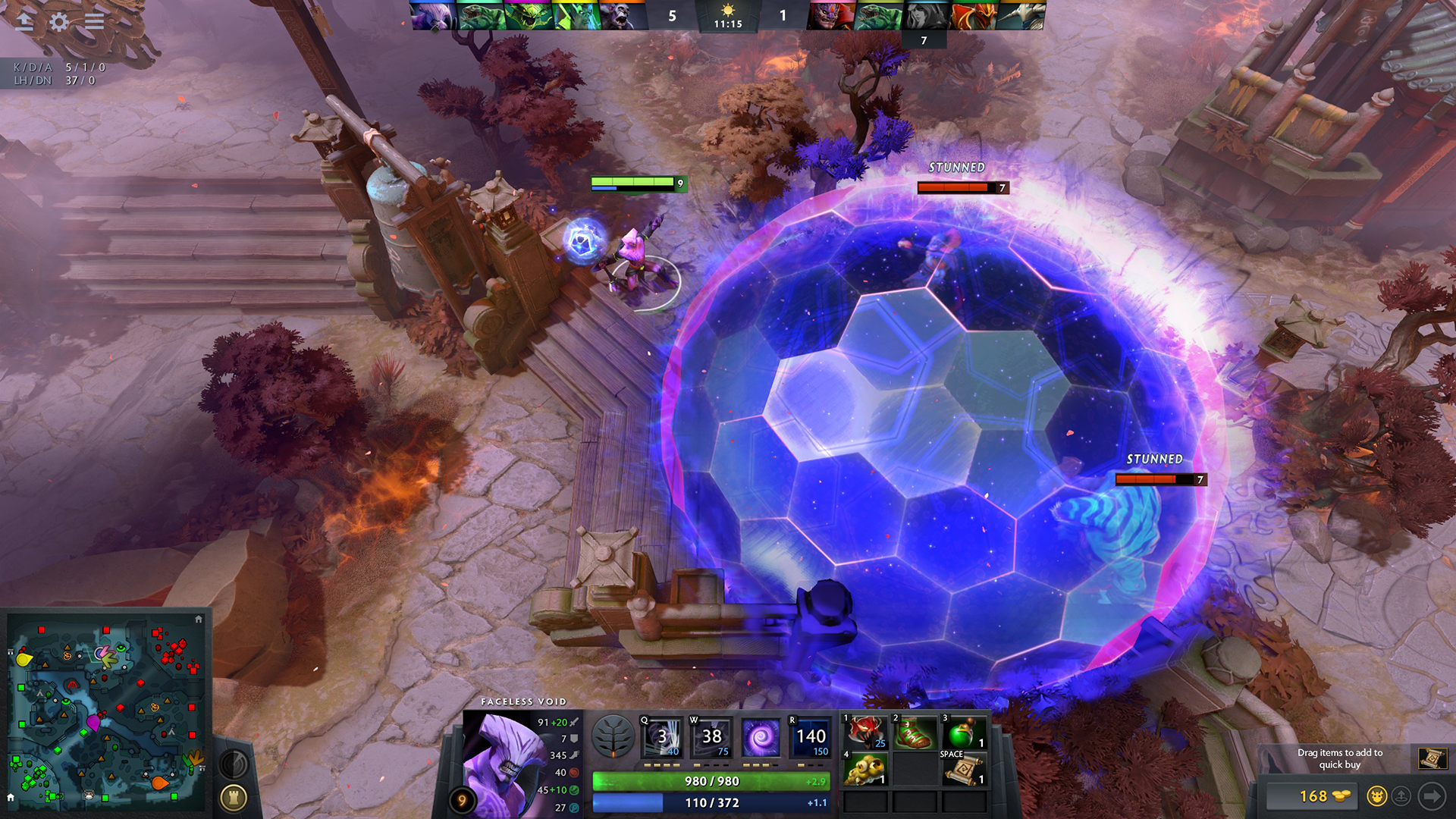
Liquid's biggest trophies are in Dota 2. Its European squad won The International 2017. Seven years later it did it again: on 15 September 2024, at the Royal Arena in Copenhagen, Liquid swept Gaimin Gladiators 3-0 to win TI 2024 and $1.15 million, without dropping to the lower bracket in the playoffs. Offlaner Neta "33" Shapira became the first player to win TI with two different teams.
In Counter-Strike, Liquid's CS:GO team won the Intel Grand Slam in 2019, the bonus for winning four ESL and DreamHack premier events in a short span. In League of Legends, Liquid has been one of North America's most successful clubs for a decade.
A 2026 to remember
Liquid's 2026 has been one of its best. After the LCS Summer title, it went to Worlds as North America's first seed. In Apex Legends, its trio of Rhys "Zer0" Perry, Nicholas "Sikezz" Odom and Nathaniel "Panic" Arthur won the ALGS Year 6 Split 2 Playoffs at the Orleans Arena in Las Vegas at the start of November, taking $600,000. You can read more in our ALGS story.
At the Esports World Cup in Paris, two players carried the club. Clem crushed Serral 5-0 in the StarCraft II final for $400,000, and Magnus Carlsen, signed by Liquid as a chess player, won the EWC chess event for the second year in a row, beating Denis Lazavik in the grand final for a $250,000 first prize. Those results helped Liquid finish second in the Club Championship with 2,545 points, behind Team Falcons.
Why Liquid matters
Most esports organisations come and go with one game. Liquid has survived 25 years by spreading across many games and regions, with bases listed in Utrecht, Los Angeles, São Paulo and Berlin, and by owning a piece of esports' infrastructure in Liquipedia. Its StarCraft roots also explain why it still fields StarCraft II players like Clem when many rivals have left the game.
For the Korean scene Liquid's website once translated, read our bonjwa feature. For Dota 2's world championship, see our history of The International.
WGC's take: Few clubs can say they have won The International, signed the world chess champion and built the reference site their rivals check every day. Liquid at 25 feels less like a team and more like an institution.