Taipei's Indie Game Award: The Tearjerker That Won, and 731 Games Chasing It
A $4.99 Japanese visual novel made Taipei's judges cry and took the Grand Prix. Now a record 731 teams from 53 countries are lining up for 2027. Inside Asia's fastest-growing indie prize, and the finalists to know before January.

Award juries are not supposed to cry. But when the judges of the Taipei Game Show Indie Game Award played a short Japanese game about a girl, a missing father and a stranger at the breakfast table, many of them said they did exactly that.
That game, and Roger by Japan's TearyHand Studio, won the Grand Prix and Best Audio when the 2026 winners were announced on 28 January 2026. Ten months later the next race is already on: the 2027 award has drawn a record 731 entries from 53 countries and regions, with winners to be playable at Taipei Game Show 2027 from 21 to 24 January.
A prize that keeps getting bigger
The Indie Game Award is run by the Taipei Game Show with PlayStation as partner, and it has quietly become one of Asia's most competitive indie prizes. The 2026 edition, its 12th, received 515 entries from 51 countries and regions, about one and a half times the year before. Developers from Norway, the United Arab Emirates, Panama, Slovenia and Kyrgyzstan entered for the first time. Only 38 teams from 16 countries reached the final.
For 2027 the field grew again, by roughly 40%. Forty-five teams from 20 countries and regions made it to the second round, and Belarus and Madagascar sent entries for the first time.
The 2026 winners
- Grand Prix: and Roger, TearyHand Studio (Japan)
- Best Audio: and Roger, TearyHand Studio (Japan)
- Best Narrative: The Berlin Apartment, Blue Backpack (Germany), a story about a building's past pieced together from fragments of everyday objects
- Best Visual Art: Aeruta, FromDawn Games (Taiwan), which judges called "a joy to play"
- Best Design: BALL x PIT, Kenny Sun & Friends (USA), praised for mixing brick-breaking, ball fusion and roguelite strategy
- Best Innovation: No Players Online, Beeswax Games (Belgium), unsettling even when almost nothing happens
- Best Mobile Game: Graytail, Concode (South Korea)
- Best Student Game: Froggo's Adventure: Drifting Sky, SmellyFrog (Taiwan)
Why and Roger won
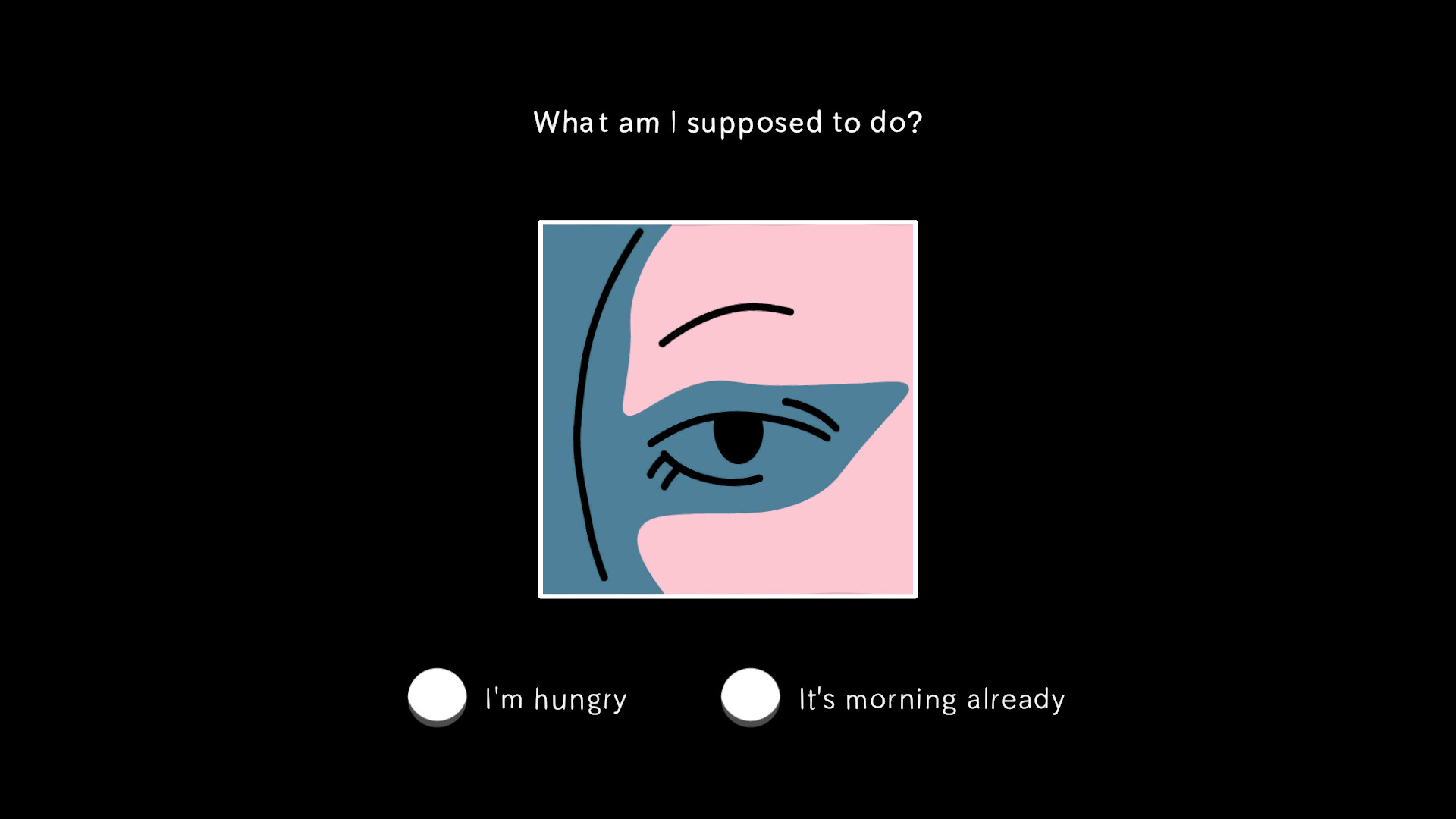
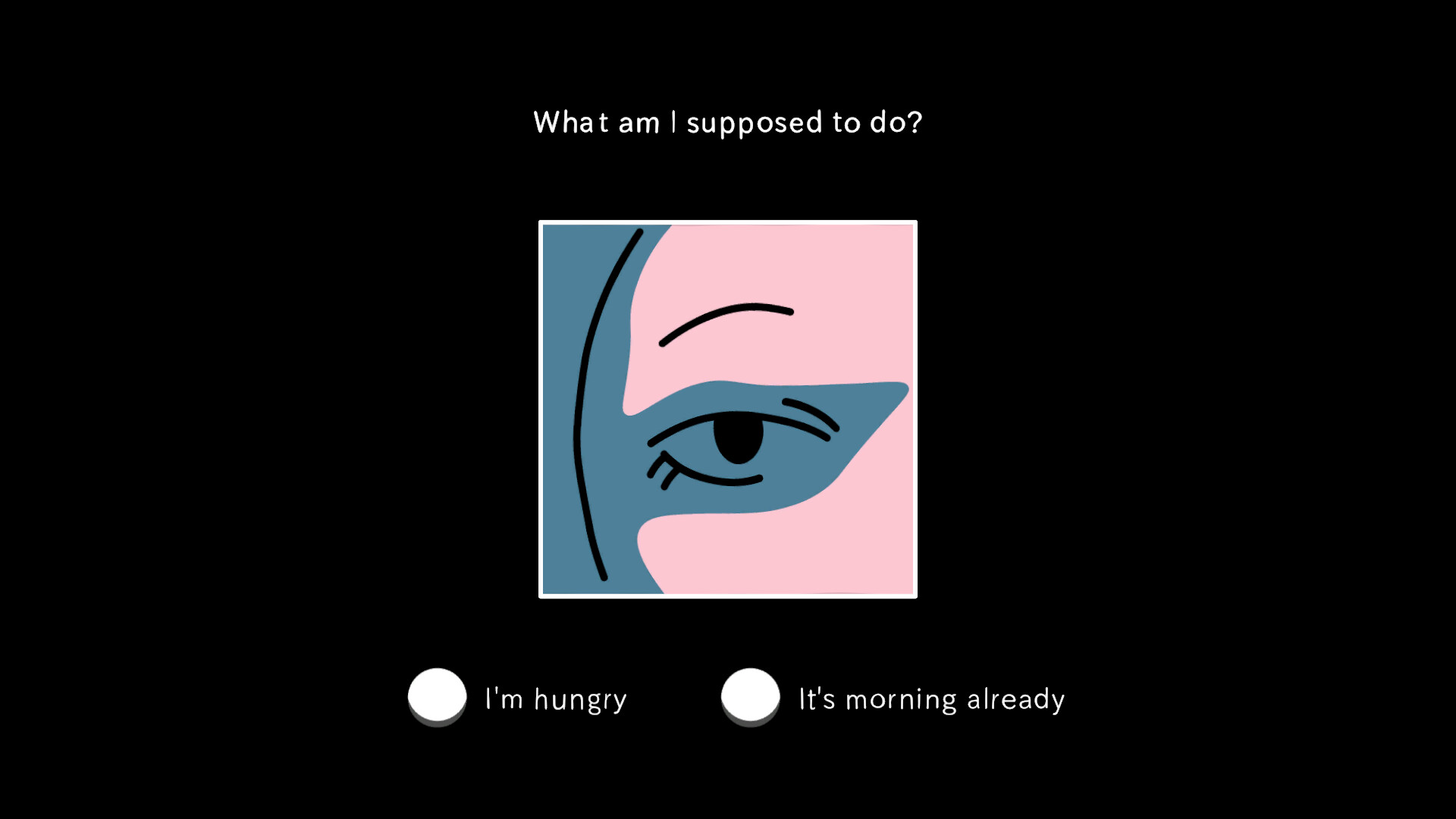
and Roger is a point-and-click, slice-of-life visual novel. It begins on an ordinary morning that turns strange: the girl at its centre realises her father is not home, and an unfamiliar man is sitting in his place, talking nonsense and insisting she take her medicine. You uncover what is really happening through small mini-games built from household chores.
It is short, it costs $4.99, and it is published by Kodansha. Judges singled out its emotional storytelling and its sound, saying the soundtrack pulled them into the story. We look at the game in more detail in our and Roger story.

Taiwan's own stars
The host nation did well. Taiwanese studios took two of the eight prizes, with Aeruta winning Best Visual Art and Froggo's Adventure: Drifting Sky winning the student award. Several other local teams made the shortlist:
- YARETA by Mariana Games and Always With You by Snowyowl Entertainment, both in Best Audio
- Back of Beyond by Poly Poly Games, in Best Visual Art
That depth matters. Since Red Candle Games put Taiwanese indies on the map with Detention and Nine Sols, the question has been who comes next. The 2026 shortlist suggests the answer is "quite a lot of people".
By the numbers
- 515: entries for 2026, from 51 countries and regions
- 38: finalist teams from 16 countries
- 8: award categories
- 731: entries for 2027, from 53 countries and regions
- ~40%: growth year on year
- 45: teams in the 2027 second round, from 20 countries and regions
- 10: Taiwanese teams in that second round
China sent one of the strongest groups of 2026 finalists: All Our Broken Parts (Tin Bird) for narrative, Doloc Town (RedSaw Games Studio) and Toy Smash Kaboom! (Free Particle Studio) for visual art, Roots Devour (Rewinding Games) for design, AiliA (IceToad Studio) for innovation and mobile, S4U: CITYPUNK 2011 AND LOVE PUNCH (U0U Games) for innovation, and Lost Castle 2 (Hunter Studio) for mobile. None of them won, but the spread across five categories shows how broad China's indie scene has become.
South Korea, meanwhile, went home with a prize. Graytail by Concode took Best Mobile Game, praised for its narrative flow and visual style, and Telebbit and the student game Hermit also reached the final.
The 2027 race: who to watch
The 2027 second-round list is already full of names worth knowing:
- Ratatan (Japan), a past BitSummit champion that raised more than ¥219 million through crowdfunding during development.
- Lost and Found Co. (Thailand), a cosy hidden-object adventure about returning lost things to eccentric clients, one of Southeast Asia's most anticipated indies.
- OPUS: Prism Peak (Taiwan), nominated in three categories at once: Best Narrative, Best Audio and Best Visual Art.
- Selfie Worm (Taiwan) for Best Innovation and Rubinite (Taiwan) for Best Design.
- GHOSTLESS (Brazil) and NAME OF THE WILL (a US-based team).
- Six Korean games: The Ashen OZ, Hallowanderband, PengPong, NAMMO, Death at Fleming Manor and the student game WHERE TO?
WGC's take: Western indie awards still get most of the attention, but Taipei's prize has two advantages. It is genuinely global, with entries from more than fifty countries, and it is rooted in Asia, which means Asian teams compete on home ground with Asian judges. A Japanese visual novel, a Taiwanese art showcase and a Korean mobile game all won in the same year.
It also comes with an audience. Winners and finalists are shown at INDIE HOUSE, the show's indie area, where hundreds of thousands of players walk past. For a two-person team, that exposure can matter more than any trophy.
How the road to Taipei works
For developers, the path is straightforward on paper and brutal in practice. Teams submit their game months ahead of the show; a first round of judges trims hundreds of entries to a shortlist; a second round names finalists in each category; and winners are announced on the eve of the show. In 2026, fewer than one entry in thirteen reached the final.
For players, the path is even simpler. Many shortlisted games already have Steam pages or demos, which means you can play much of the 2027 field before the trophies are handed out. Wishlisting a finalist costs nothing, and for a small studio every wishlist is a vote of confidence that publishers notice.
That is also why the award's Asian focus matters for Korean readers. Six Korean teams in the 2027 second round, after Graytail's 2026 win, suggest Taipei is becoming a natural second stage for games that first appeared at Busan's BIC festival or G-STAR.
What to watch
The 2027 winners will be playable in a special area of INDIE HOUSE when Taipei Game Show 2027 opens at Nangang Exhibition Center Hall 1 on 21 January 2027. Before then, the easiest homework is to play last year's champion: and Roger takes an evening, has a free demo on Steam, and might make you cry too.