Supercell: The Finnish Studio That Kills More Games Than It Ships
Five hit games, a graveyard of cancelled ones and a boss who says the mobile industry is coasting. How Supercell's tiny-team model works, what its 2025 results show, and why Clash Royale came back from the dead.
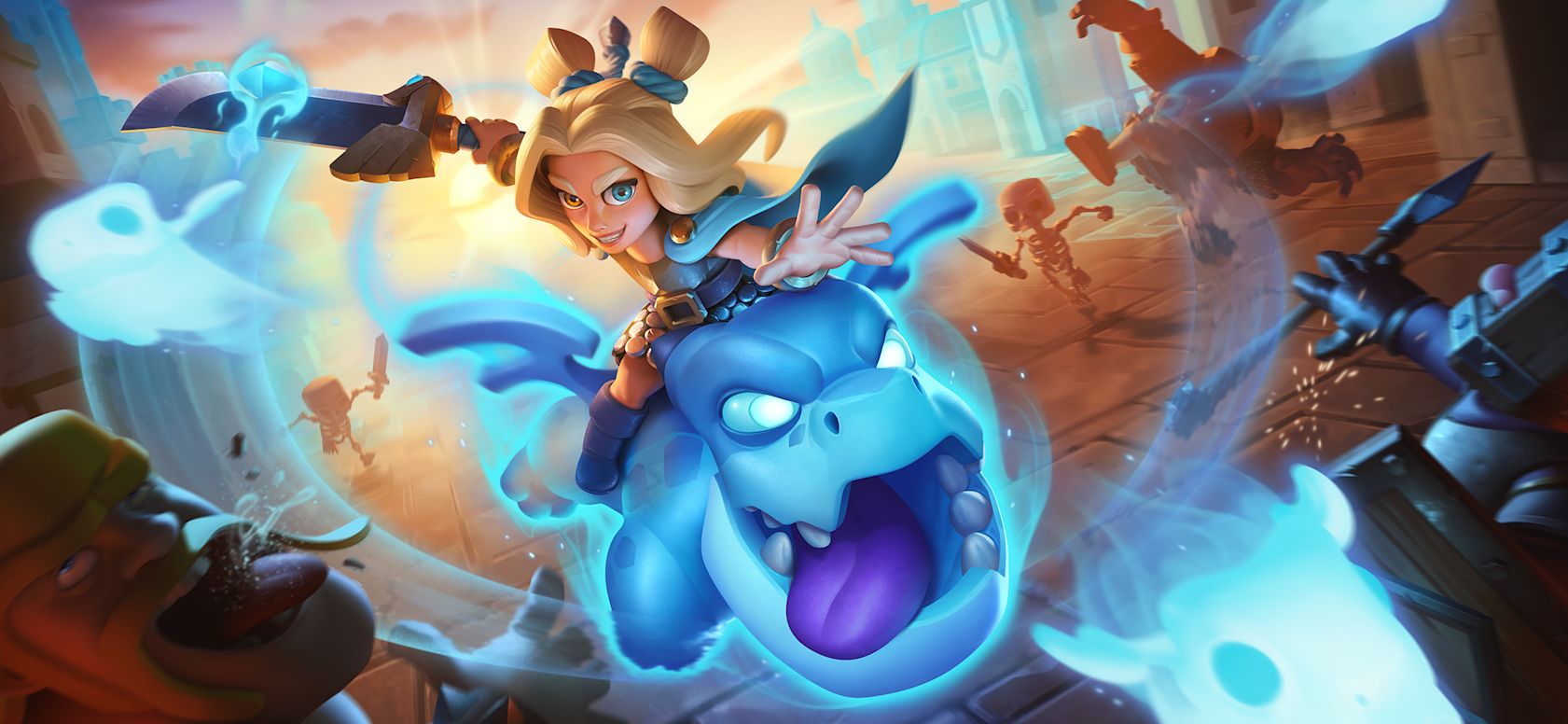
Most game companies hide their failures. Supercell throws them a party. The Helsinki studio is famous inside the industry for celebrating cancelled games, and it has had plenty to celebrate: by our count of its public record, more than a dozen titles have been shut down or killed before or after launch since 2010.
It has also shipped some of the most successful mobile games ever made. Clash of Clans, Clash Royale and Brawl Stars have kept the company near the top of the mobile charts for more than a decade. In 2025, Supercell's revenue was €2.65 billion (about $3 billion), down 4% from a near-record 2024, while its EBITDA, a measure of operating profit before interest, tax and depreciation, rose 6% to €932 million. Around 290 million people play its games every month.
And in February 2026, its chief executive Ilkka Paananen used his annual letter to tell the whole mobile industry it was "not living up to its potential". Here is how Supercell works, and why its boss is so impatient.
Six founders and a browser game nobody remembers
Supercell was founded on May 14, 2010, by six Finnish developers: Ilkka Paananen, Mikko Kodisoja, Petri Styrman, Lassi Leppinen, Visa Forstén and Niko Derome. It began in Espoo, just outside Helsinki.
Its first game was a browser title called Gunshine.net, released in 2011. It did not work. In November 2011, Supercell abandoned it and bet everything on a new device that its founders thought would change games: the tablet.
The pivot paid off fast. In summer 2012 it launched Hay Day, a farming game, and Clash of Clans, a base-building strategy game released on August 2, 2012. Clash of Clans became one of the defining mobile games of the decade.
Cells, Canada and the champagne
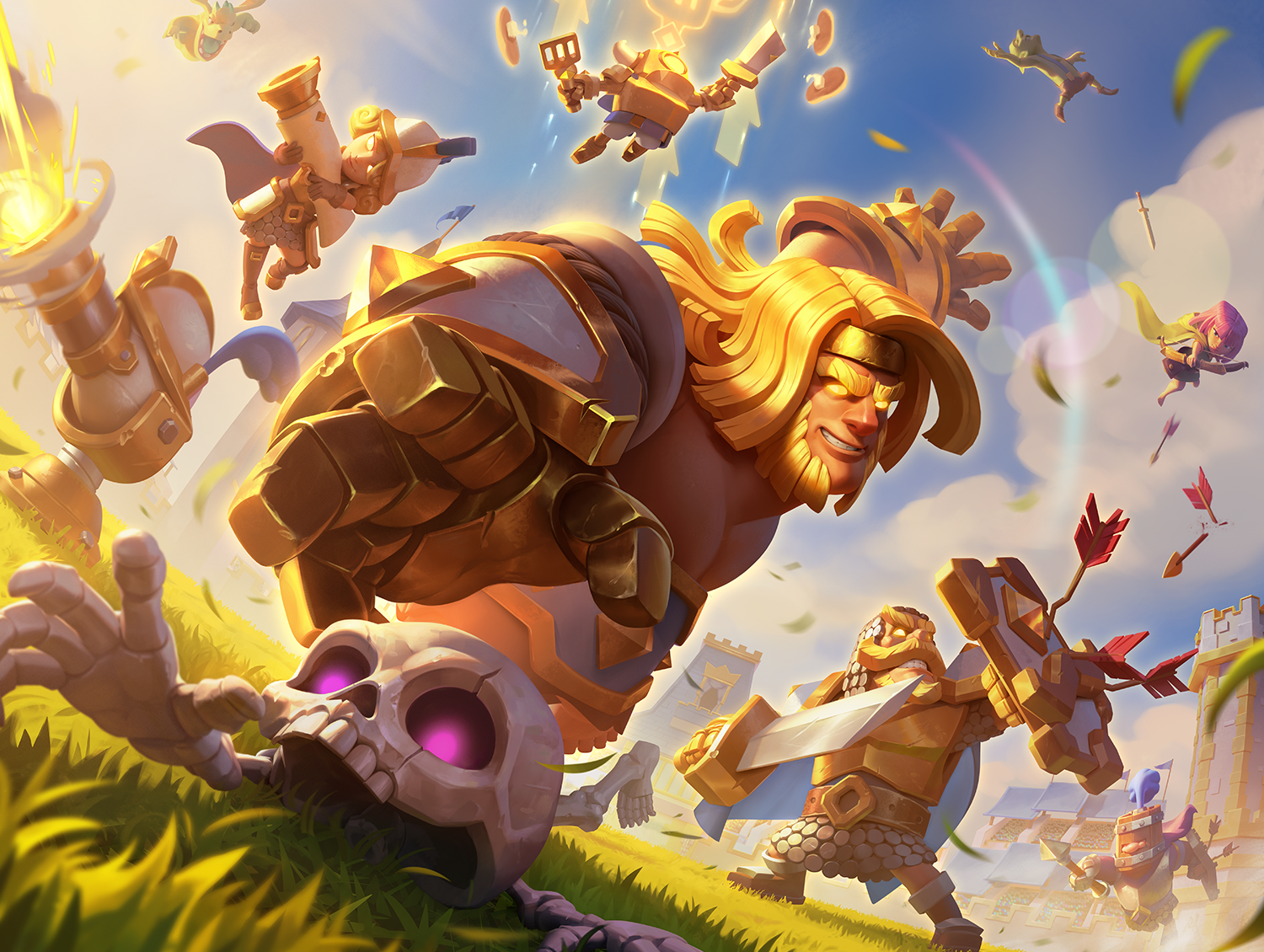
Supercell's name describes its structure. Games are made by small teams, or cells, of about five to seven people at the start, who pitch their idea to Paananen and then work with very little interference from above. The CEO's job, he has often said, is to be the "least powerful CEO in the world".
New games go through a strict gauntlet. First, internal playtests. Then a soft launch, a limited release in a few countries, traditionally starting with Canada's App Store. Only if the numbers there look strong does the game go global. Crucially, it is the team, not management, that decides whether to kill its own game.
That is where the champagne comes in. Supercell treats a cancelled project as a "successful failure" if the team learned something, and it marks the moment. The list of games that did not make it is long: Pets vs Orcs, Battle Buddies, Spooky Pop, Smash Land, Rush Wars, Hay Day Pop, Clash Quest, Everdale, Boom Beach: Frontlines, Flood Rush, Clash Mini and Clash Heroes among them.
Who owns Supercell
Supercell has changed hands twice, at eye-watering prices. In October 2013, Japan's SoftBank and GungHo bought 51%. SoftBank later raised its stake to 73.2%.
Then, in June 2016, a consortium led by Tencent bought 81.4% of Supercell for $8.6 billion, one of the biggest deals in games at the time. Tencent raised its share of the consortium to 51.2% in 2019. Supercell still runs independently from Helsinki, with offices in Shanghai, San Francisco, Seoul and London, but its biggest shareholder is the world's largest games company.
The 2025 report card
Supercell publishes an unusually candid annual letter, and the one for 2025 was blunt.
The good news was Clash Royale. Approaching its tenth anniversary, the game had one of its best years ever: returning players doubled, and new players grew by almost 500%. A cheeky marketing campaign with singer Michael Bolton, a free in-game upgrade, and a new mode called Merge Tactics, added in June 2025 and based on the soft-launched Clash Mini, all helped. It is rare for a nine-year-old mobile game to grow at all, never mind like that.
The bad news was Squad Busters. Launched globally on May 29, 2024, it topped the charts in more than 120 countries at first, but players did not stay. In October 2025 Supercell announced it would shut the game down in 2026, making it the company's first game ever to close after a full global launch. Paananen's lessons were frank: large beta tests do not predict global behaviour, long-term retention has to be tested properly, and a huge marketing push should not come before the game's vision is proven.
"The industry is coasting"
The part of Paananen's letter that got most attention was not about Supercell at all. He argued that the mobile market has grown only about 3% a year over five years, and that of 22 games launched since 2020 that grossed more than $1 billion, only two came from the West: Royal Match and Monopoly Go. Western studios, he wrote, have become very good at optimising what already exists instead of inventing something new.
His summary line was quotable: "Live game excellence alone doesn't grow an industry. It maintains one."
Supercell's response is to spend. It said its investment in new games roughly doubled in 2025 and would roughly double again in 2026. It split its live games and new games into separate organisations, gives new-game teams budget limits and a share of the profits if they succeed, and runs programmes such as Spark for outside founders and an AI Innovation Lab with offices in Helsinki, San Francisco and Tokyo. Its headcount rose 30% in 2025 to 890.
New projects in the pipeline include Boat Game and Project Rise, though Paananen admitted there is "quite a bit of work to do" on both. And mo.co, the monster-hunting game that launched globally in March 2025, is getting a major overhaul rather than a funeral.
By the numbers
- 2010: Supercell founded by six developers near Helsinki.
- €2.65 billion: 2025 revenue, down 4%.
- €932 million: 2025 EBITDA, up 6%.
- 290 million: monthly players across its games.
- $8.6 billion: price of the Tencent-led consortium's 81.4% stake in 2016.
- 890: employees at the end of 2025, up 30%.
Why it matters
Supercell is proof that a small company with very few games can be enormously valuable, if every game it ships is excellent. Its record also shows the cost of that standard: more killed games than released ones, and one painful public failure in Squad Busters.
Paananen's warning matters beyond Finland. Mobile is the biggest part of the games market, but it is growing slowly, and most of the new billion-dollar hits are coming from Asia. WGC's take: when the boss of one of the most successful mobile studios on Earth says the West has stopped trying new things, the rest of the industry should listen, and Supercell's next two or three launches will show whether it can follow its own advice.
What to play next
- Clash Royale, in the middle of its best run in years, with Merge Tactics now part of the game.
- Brawl Stars, Supercell's fast-paced team brawler and one of its five big live games.
- Clash of Clans, the game that started it all in 2012.
- Keep an eye on Boat Game, Project Rise and the rebuilt mo.co for Supercell's next big swing.