Running on Empty: The Rise, Fall and Strange Afterlife of STEPN
In spring 2022 people were paying hundreds of dollars for virtual trainers so a phone app would pay them to jog. Within months most of them had stopped running. How move-to-earn went from $122 million in quarterly profit to a cautionary tale.
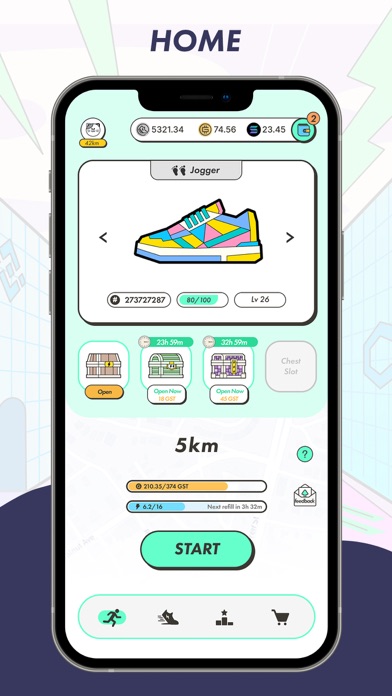
In the spring of 2022, a strange thing started happening in parks and on pavements around the world. People were going for walks, not because they wanted exercise, but because their phones would pay them. They had bought digital trainers, sold as NFTs, and an app called STEPN rewarded every step with crypto tokens.
For a few months it looked like the next Axie Infinity, only healthier. STEPN's maker reported a $122.5 million profit for the second quarter of 2022. Then the users left almost as fast as they had arrived. This is the story of move-to-earn's brief, dizzying boom.
Token prices are extremely volatile. All prices below are dated historical figures, not guidance.
A fitness app with a price tag
STEPN was built by Find Satoshi Lab (FSL) and launched in December 2021 on the Solana blockchain. The idea was simple enough to explain in one sentence: buy a pair of virtual sneakers, go outside, and earn tokens for moving.
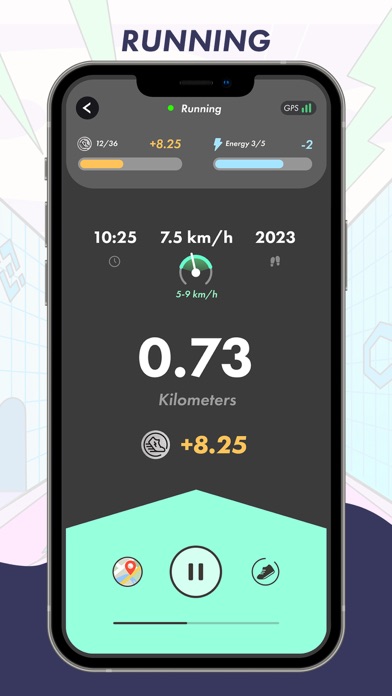
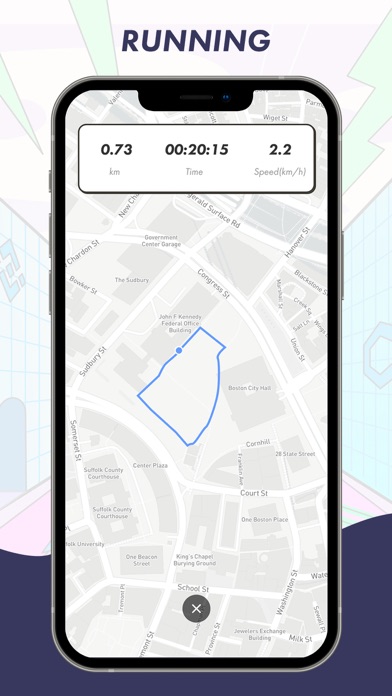
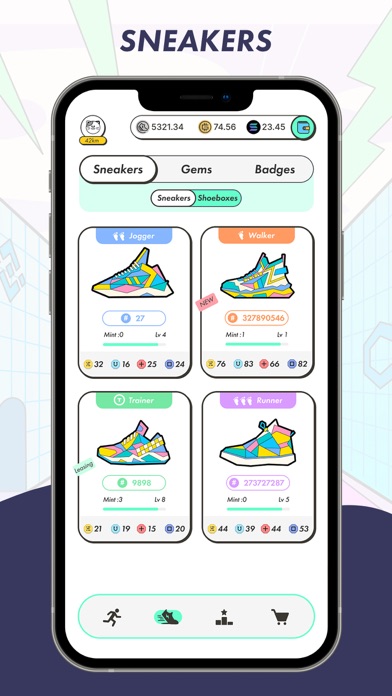
The app tracked your movement by GPS. Each pair of NFT sneakers had stats that affected how much you earned, and the shoes wore down over time, so you had to spend tokens to repair them. STEPN ran on two tokens: GST, the everyday reward currency, and GMT, a governance token with a fixed supply.
If that sounds familiar, it should. It was the play-to-earn loop of Axie Infinity, with jogging in place of card battles. The same question hung over it: who pays the walkers when new walkers stop arriving?
The boom
STEPN took off in early 2022. In January it raised $5 million from investors including Sequoia Capital and Alameda Research. By April, GMT hit an all-time high of $4.11, and its market value peaked at about $2.4 billion.
The money was real, at least on paper. FSL reported a $26 million profit for the first quarter of 2022 and $122.5 million for the second. It said it would put 5% of profits into buying back and destroying GMT tokens, a common move meant to support a token's price, and spend the rest on security, anti-cheating, hiring and partnerships.
User numbers soared. Monthly active users peaked at more than 700,000 in May 2022, and daily active users hit 58,000 on 21 June 2022, according to Dune Analytics data.
The China shock
Then came the first big blow. On 26 May 2022, STEPN announced it would block users in mainland China from 15 July, shutting off GPS tracking for anyone whose IP address or location placed them there. The company cited compliance obligations. China had banned crypto trading the year before.
The market reacted immediately. GMT dropped more than 30% before partially recovering, and its market value fell to about $600 million, a quarter of its April peak. GST fell about 10%. Solana, the blockchain STEPN ran on, fell as much as 9.6% the same day. At that point STEPN had over 580,000 users worldwide, with about 38,000 active in the previous 24 hours.
By the numbers
- $5 million: seed funding in January 2022, from investors including Sequoia Capital.
- $4.11: GMT's all-time high, April 2022.
- $26 million and $122.5 million: reported profits for Q1 and Q2 2022.
- 700,000+: monthly active users at the May 2022 peak.
- 58,000 to 5,800: daily active users, 21 June versus 15 September 2022, a 90% fall.
- 99,000: monthly active users by September 2022.
The bust
Even as FSL announced its record profit on 12 July 2022, GMT was trading at 85 cents, down 71% from its April high. The users were already going. Monthly actives fell to nearly 500,000 in June, roughly halved again in July, dropped to 140,000 in August and reached 99,000 in September. Daily actives went from 58,000 in June to 5,800 by mid-September.
The shoe design made the squeeze worse. Because trainers wore down and had to be repaired with tokens, staying in the game had a running cost, like fuel for a car. While rewards were high, nobody minded. Once they fell, every walk had to earn enough to cover its own repair bill, and for more and more users it no longer did.
The mechanics were the same ones that sank Axie. Most users joined to earn. As token rewards lost value, walking for them made less sense, so fewer new users bought sneakers, so demand for the tokens fell further. Without a steady stream of newcomers, the economy could not keep paying the people already in it.
In October 2022, reports claimed that more than 100 contract workers, including community moderators and ambassadors, had been let go. STEPN called those claims "baseless" and said it had parted ways only with inactive volunteer moderators while still hiring. Co-founder Yawn Rong announced a "transitional period" and cancelled a planned town hall. Solana co-founder Anatoly Yakovenko summed up the mixed verdict: he said the app had "worked for a lot of users", but questioned whether it could scale.
The strange afterlife
Here is the twist: STEPN did not die. It shrank, changed and kept going.
In April 2024, STEPN partnered with adidas on a collection of Genesis NFT sneakers. In September 2024, FSL launched the public beta of STEPN GO, a more social version of the app where users can lend sneakers, share energy and bring in friends without setting up a crypto wallet. In December 2024, the partnership produced something you could actually wear: 1,200 co-branded adidas Ultraboost 5 running shoes, given out through raffles to holders of STEPN and Genesis sneakers.
By then the company said STEPN had more than 5.7 million registered users, and it listed adidas, ASICS, Atlético de Madrid and DJ Steve Aoki among its past partners.
WGC's take
STEPN deserves a fairer hearing than most of the 2022 crash stories. Unlike many projects of that era, it shipped a working product that people used every day, it made real profits, and it is still operating years later with big-name partners. Getting people off the sofa is not nothing. And its later partnerships with established sportswear brands show that at least some of the mainstream fitness world took the idea seriously.
But it also proved that a good idea does not fix a bad economy. Paying people to do something they could already do for free only works while someone else is paying. When the newcomers dried up in mid-2022, the rewards collapsed, and so did the crowds. The lasting lesson is the same one we draw from Axie's SLP crash: rewards can attract players, but they cannot be the only reason they stay.
What to watch
STEPN GO is the test of whether move-to-earn can work as a lifestyle app first and a token economy second. The signs to look for are boring ones: how many people still open the app on a rainy Tuesday, not how much its tokens are worth. For the wider context of what went wrong across blockchain gaming in 2022, read our editorial on the lessons of the crashes.