Steam at 23: How Valve's Unloved Updater Became PC Gaming's Main Street
In 2004 players cursed the program Half-Life 2 forced them to install. In 2026 more than 43 million people were logged in at once. How Steam won PC gaming, and the fights it faces now.

On October 11, 2026, at the busiest moment of the day, 43,505,724 people were logged in to Steam at the same time. That is more than the population of most countries, all sharing one store, one friends list and one sale calendar.
Twenty-three years earlier, Steam was the most hated program on many PC gamers' hard drives. This is the story of how Valve's patching tool became the main street of PC gaming, and why 2026 has been one of the most eventful years in its history.
A patch tool nobody asked for
Valve announced Steam at the Game Developers Conference on March 22, 2002, and opened a beta the same day. The pitch was practical rather than visionary. Valve's online games, above all Counter-Strike, needed a reliable way to deliver patches and fight cheating. Steam left beta on September 12, 2003.
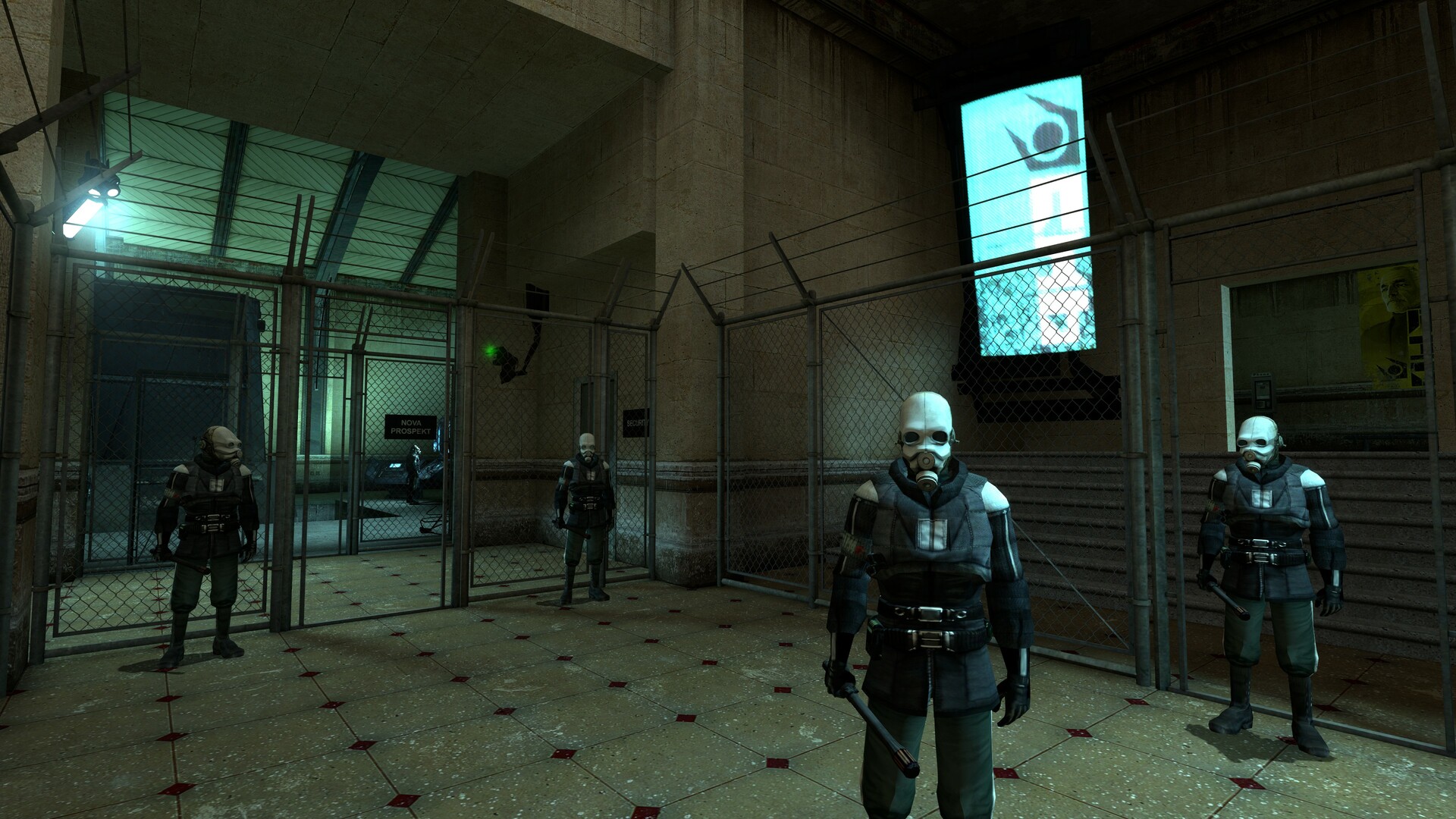
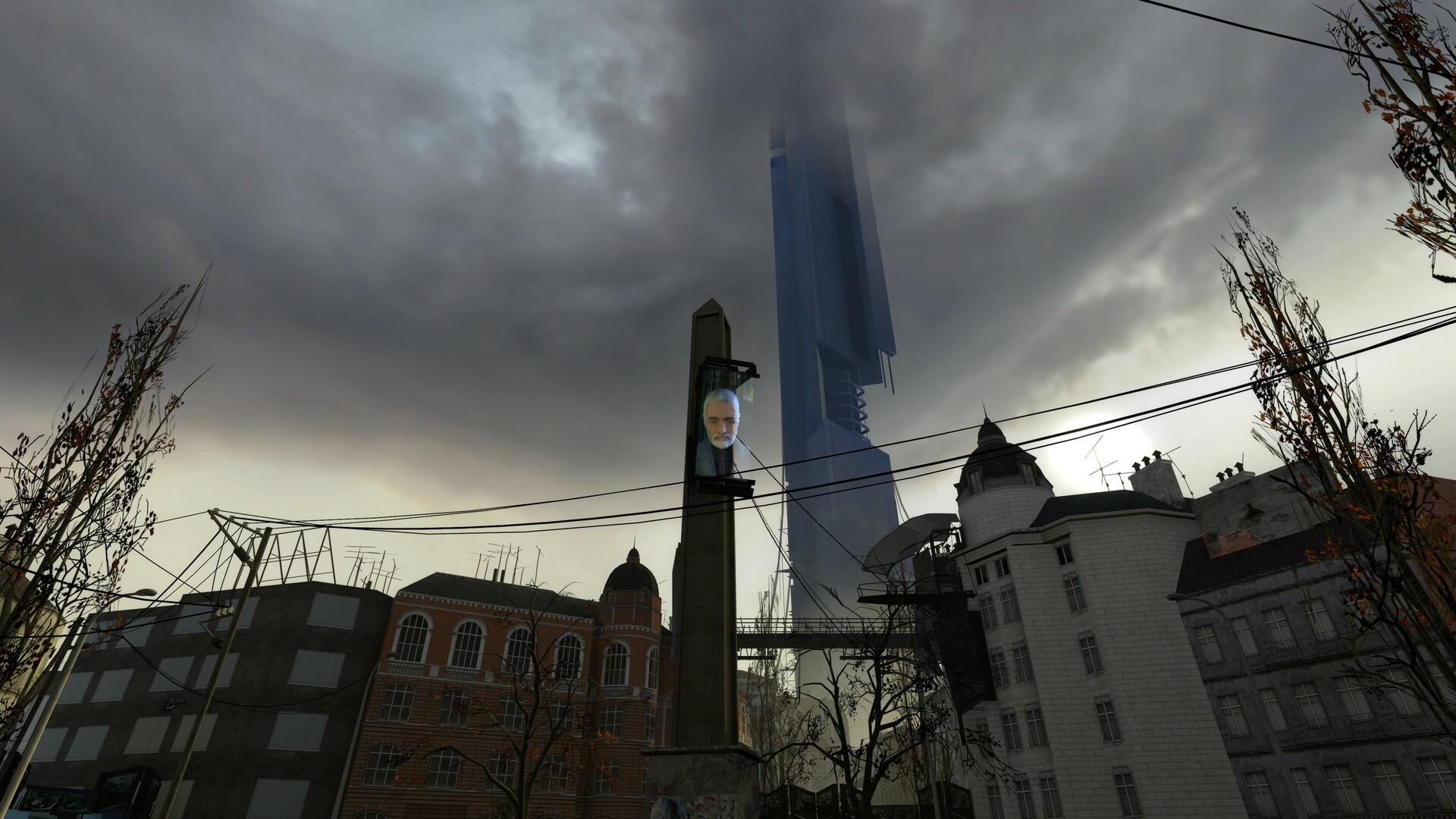
Then came the moment that defined it. When Half-Life 2 arrived in November 2004, it was the first major game sold digitally on Steam, and even retail copies on disc required the Steam client to play. Players with slow connections queued on launch day to unlock a game they had already bought in a shop. Many were furious.
It worked anyway. Half-Life 2 was one of the most anticipated PC games of its era, and millions of players installed Steam to play it. Valve suddenly owned a direct line to an enormous audience.
Opening the doors
The real turning point was letting other companies in. In 2005, third-party games such as Rag Doll Kung Fu and Darwinia went on sale on Steam. Big publishers followed, and Steam grew from a Valve launcher into a store.
Valve kept adding features that are now so normal we forget they were new:
- Steam Workshop, originally built for Team Fortress 2 items, opened to any game in early 2012, turning mods into a store feature.
- Big Picture mode, a TV-friendly interface, launched worldwide in December 2012.
- Steam Greenlight arrived in August 2012 and let players vote indie games onto the store.
- A real refund policy arrived in June 2015: a refund within two weeks of purchase, as long as you have played for no more than two hours.
In June 2017, Valve replaced Greenlight with Steam Direct: any developer can publish a game by paying a $100 fee per title, refunded once the game earns $1,000. That single change opened the floodgates.
The flood
The open door changed what Steam is. According to SteamDB data reported by PC Gamer, 19,112 games were released on Steam in 2025. About 9,327 of them, or 49%, had fewer than ten user reviews. Discovery, not access, is now the hard part.
Valve's answer has mostly been algorithms and events: personalised recommendations, the Discovery Queue, and seasonal festivals like Steam Next Fest, where thousands of demos compete for attention. For players, the result is an almost endless library. For developers, a launch on Steam is easy, but being seen is not.
AI has added a new layer. Since January 2024, developers must disclose how they use generative AI. A study by developer Ichiro Lambe for Totally Human Media found 7,818 titles with such disclosures by July 2025, about 7% of the store, and roughly one in five new releases that year. We look at that debate in our AI in games report.
The 30% question
Steam's business model is simple: Valve takes a share of every sale. Since October 2018, that share has been 30% by default, falling to 25% after a game passes $10 million in revenue and 20% after $50 million.
That cut has become the most argued-about number in PC gaming. When Epic Games opened its store in December 2018, it took only 12% and has since waived its fee on a developer's first $1 million per game each year; we explain how that has worked out in our Epic Games Store report. In court, Valve faces a certified class action in the United States led by Wolfire Games and a £656 million consumer claim in the UK. Both are covered in our guide to the Steam lawsuits.
Steam's rules have also been tested from outside. In July 2025, after pressure on payment processors, Valve added a rule banning content that may break the standards of its payment processors, card networks and banks, and removed a number of adult games. We tell that story in our report on the payment processor crackdown.
Steam builds hardware, again
Valve's first attempt at living-room hardware, the Steam Machines concept of 2015, was built on partner PCs running SteamOS and made little impact. The Steam Deck, a handheld PC launched in 2022, was different: it proved there was an audience for Valve-made hardware and put SteamOS in millions of hands.
On November 12, 2025, Valve announced three new devices at once: a new Steam Machine for the living room, the Steam Frame VR headset and a new Steam Controller. The Steam Machine was priced in June 2026 at $1,049 for the 512GB model and $1,349 for 2TB, with controller bundles costing more. Valve said rising memory prices had made its original price goal "no longer viable". Buyers entered a reservation lottery on June 25, 2026, and the first units shipped on June 29.
That price put the Steam Machine in a very different bracket from consoles, and it will take time to know whether it becomes a Deck-style success or a niche product for enthusiasts.
By the numbers
- March 22, 2002: Steam announced at GDC
- September 12, 2003: Steam leaves beta
- 2005: first third-party games on sale
- $100: Steam Direct fee per game, refunded at $1,000 in sales
- 30% / 25% / 20%: Valve's revenue share tiers since October 2018
- 19,112: games released on Steam in 2025
- 132 million: monthly active users Valve reported in 2021
- 43,505,724: concurrent users on October 11, 2026, the all-time record
Why Steam won, and what could change it
Steam did not win PC gaming by being first, or by being cheap for developers. It won by being useful to players. Automatic updates, a friends list, cloud saves, reviews, refunds, huge seasonal sales and a library that follows you from PC to PC created a habit that is very hard to break. Every new store has had to fight that habit, not just Valve's prices.
That dominance is also why the pressure on Steam is growing. Regulators and courts are asking whether its fees and pricing rules are fair. Payment companies have shown they can shape what Steam sells. Generative AI is changing what gets made. And Valve is betting on hardware again, at a price that will test how much players will pay to bring Steam to the TV.
WGC's take: Steam is the rare platform that most of its users actually like. That goodwill is Valve's biggest asset, and the way it handles the lawsuits, the flood of new games and the Steam Machine will decide whether it lasts.
What to watch
- Steam Winter Sale 2026, running December 17 to January 4, the first big holiday test with the Steam Machine on sale.
- The Wolfire class action in Seattle and the UK Competition Appeal Tribunal claim, either of which could change how Steam sets its fees.
- Whether the Steam Machine price moves as memory costs change.
- And if you have never played it, Half-Life 2 is still on Steam, the game that started it all.