Southeast Asia's $5.6 Billion Games Market Runs on Phones, and Free Fire
Nearly 300 million players across six countries, a games giant from Singapore with 100 million daily players, and a local industry still fighting for a share of its own market. A guide to Southeast Asia in 2026.

On any evening in Jakarta, Manila or Ho Chi Minh City, the most popular games are not on a console. They are on a phone, usually a cheap Android one, and very often they are Free Fire or Mobile Legends: Bang Bang. Southeast Asia is one of the most mobile-first gaming regions on Earth, and one of the most competitive.
The latest numbers from Niko Partners, published in August 2026, put the six biggest markets, Indonesia, Malaysia, the Philippines, Singapore, Thailand and Vietnam, at more than $5.6 billion in 2025, up 4.7%. Niko expects $5.9 billion in 2026 and $7.0 billion by 2030, growing about 4.8% a year. The region is expected to pass 300 million players in 2026.
A mobile region
Figures from Newzoo, quoted in an industry review in October 2025, show how lopsided the platform mix is. Across Southeast Asia's 11 countries, about 73% of game revenue comes from mobile, 20% from PC and just 7% from console. Consumer spending was about $6.2 billion in 2024 across the wider region, a slightly bigger area than Niko's six markets.
Indonesia is the giant, with more than 126 million players, the most in the region. Niko expects Indonesian spending to reach $1.5 billion by 2030. But local studios have only a small slice: locally developed games hold about 5% of Indonesia's market, according to the same industry review.

Garena: the home team
The biggest games company born in the region is Garena, the games arm of Singapore's Sea Limited. Its shooter Free Fire, built to run smoothly on low-cost phones, became one of the most downloaded games in the world.
Sea's results for 2025, published in March 2026, show a business in excellent shape. Garena's bookings, the money players spent in the year, rose 37.3% to $2.9 billion, and its adjusted EBITDA rose 38.1% to $1.7 billion, a margin of about 56%. In the fourth quarter it had 633.3 million quarterly active users and 58.0 million paying users, up 15%. Sea's CEO Forrest Li said Garena connected with more than 100 million players a day on average through 2025.
How players pay, and what they want
Southeast Asia's players behave differently from Western ones. Niko's survey found that nearly one in three prefer to pay outside the app stores, through web shops, vouchers or local payment services; in Thailand the share is over 35%. Earlier Niko data found about 26.9% of in-game payments went through third-party stores.
Players are also more social and more watchful. About 52% of Southeast Asian players watch game livestreams, and more than 45% actively socialise inside games. And 67.5% said they support mandatory age checks for games rated 18 and over, while 61.4% said they play only official versions of games, not pirated or unofficial copies.
Governments step in
Several governments are now trying to grow local studios. Vietnam excludes online games from its special consumption tax, easing costs for homegrown developers. Thailand has been finalising a bill to give the games industry more structured support. Malaysia's digital economy agency, MDEC, has funded more than 60 local game projects since 2014. And Singapore hosts the headquarters of major companies such as the development partner Virtuos, and offers prototype grants to new studios.
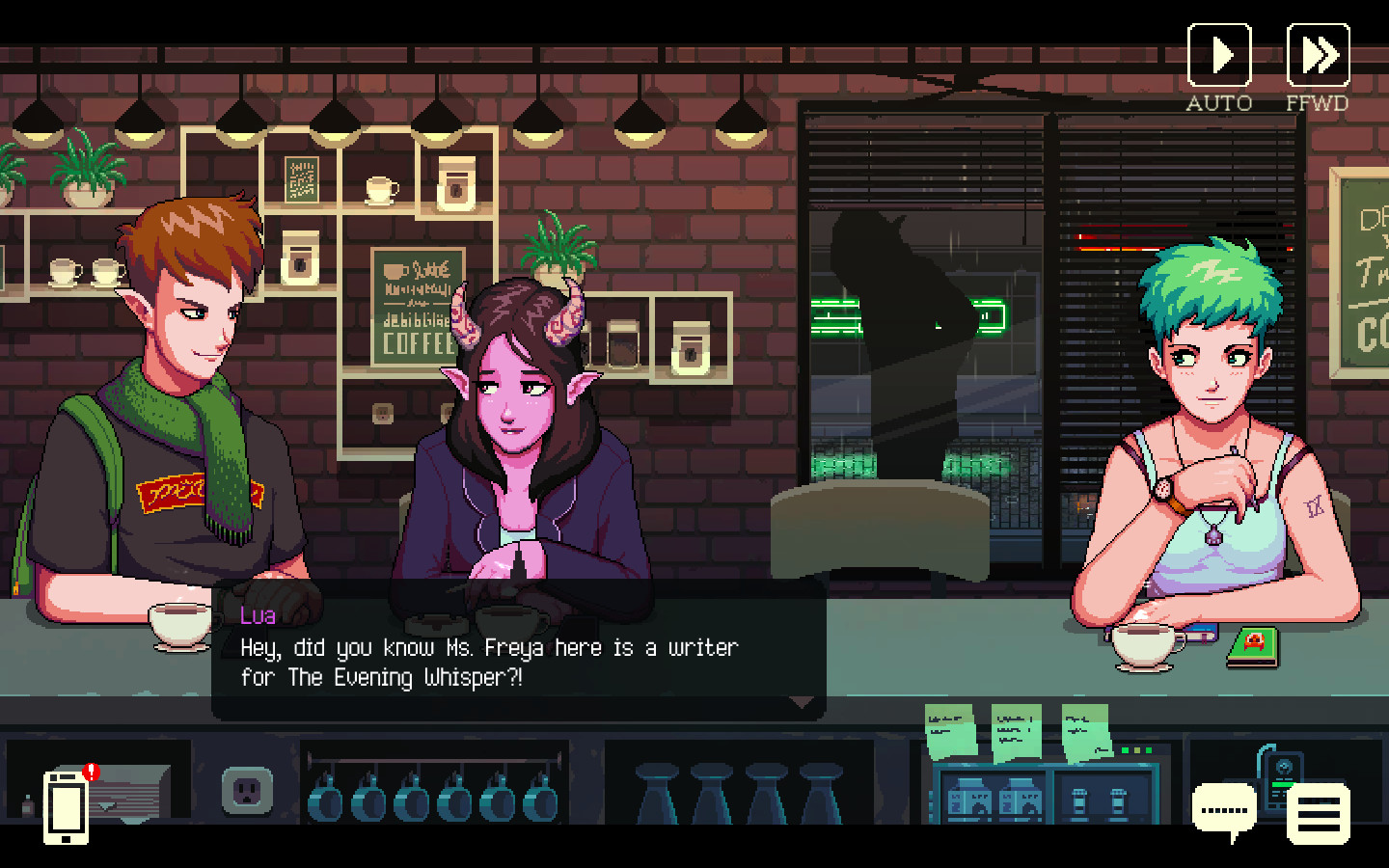
Indonesia already has some international hits, such as Coffee Talk, a cosy visual novel about a late-night coffee shop from Indonesian studio Toge Productions, released in 2020.
Why it matters
Southeast Asia is the world's great "mid-size" games region: too big to ignore, not rich enough to be easy. Growth of around 5% a year is steady, not explosive, and the money per player is low. But the audience is young, social and almost entirely online.
WGC's take: the region's best opportunity is the one Garena already proved: games built for local phones, local payment habits and local esports, then exported to the world. The next Free Fire is more likely to come from Jakarta or Ho Chi Minh City than from a Western studio guessing what Southeast Asian players want. For the bigger picture, see our global market guide.

What to watch
- Indonesia's local studios and whether government support lifts their 5% share.
- Sea Limited's next results, the best real-time gauge of the region's biggest company.
- Web shops and local payments, especially in Thailand and the Philippines.