Sega vs Nintendo: How a Blue Hedgehog Started the Loudest War in Games
For a few wild years in the early 1990s, a company best known for arcade machines took on the most powerful name in home gaming and briefly won. The story of the 16-bit console war, and why it still shapes how games are sold.
In 1990, if you owned a games console in America, it was almost certainly made by Nintendo. The NES had rescued home gaming after the 1983 crash, and Nintendo ran the business with an iron grip: strict licensing rules, limited cartridge supply and a mascot every child knew. Then a company named after slot machines for American soldiers decided to pick a fight.
What followed was the 16-bit console war: Sega's Genesis (the Mega Drive outside North America) against Nintendo's Super Nintendo Entertainment System. It ran from roughly 1989 to 1995, it gave us Sonic the Hedgehog, playground arguments and some of the most aggressive advertising the toy aisle had ever seen, and it ended with neither company really winning. Sony did.
This is the story of how it happened, told through the business decisions that mattered.
The underdog arrives early
Sega launched the Mega Drive in Japan in October 1988, with "16-BIT" printed proudly on the case. Nintendo's Super Famicom would not arrive in Japan for another two years, so Sega had a head start, and it took that head start to America.
The Genesis began a limited US test launch in August 1989 in New York City and Los Angeles, bundled with the arcade conversion Altered Beast. The early marketing, built under Sega of America's then-boss Michael Katz, set the tone for everything that followed. Its most famous line was a pun aimed straight at the market leader: "Genesis does what Nintendon't."
Sales were respectable, not spectacular. By mid-1990 Sega had sold about 500,000 Genesis consoles in the US. That was good for a challenger, but nowhere near enough to threaten Nintendo, whose 8-bit machine was in tens of millions of homes.
Kalinske's big gamble
The turning point came in mid-1990, when Sega hired Tom Kalinske, a toy-industry veteran who had run Mattel and helped revive Barbie, as the new chief executive of Sega of America. Kalinske made three decisions that changed the war.
First, he cut the price of the Genesis from $189 to $149. Second, he aimed the console at teenagers and young adults instead of small children, the audience Nintendo owned. Third, and most famously, he pulled Altered Beast out of the box and replaced it with Sega's brand-new mascot game, Sonic the Hedgehog, from June 1991. People who had bought an Altered Beast bundle could even trade up to Sonic.
Giving away your best new game sounds like madness. Sega's Japanese leadership reportedly hated the idea. But the logic was simple: the console was the product, and Sonic was the advertisement. Every Genesis sold became a demonstration of speed, attitude and colour that made Mario look a little old-fashioned.
Kalinske also leaned hard into sports games, and Sega's TV ads ended with a shouted "SEGA!", the so-called Sega Scream, which became a playground catchphrase in its own right.
Round two: the Super Nintendo strikes back
Nintendo was not asleep. The Super NES reached North America in September 1991 at $199, with Super Mario World in the box, and it sold about 3.4 million units by the end of 1991, a launch record at the time. In 1992 the SNES outsold the Genesis in the US, although Sega still had the larger installed base thanks to its two-year head start.
From there the war turned into a slugging match. Sega dropped the Genesis to $129 soon after Nintendo cut the SNES to $149. Sega's own press releases claimed holiday victories year after year; in December 1994 it declared a "third straight holiday season victory" in the US. Whichever numbers you trust, the important point is that for the first time since the crash, a challenger had turned American home gaming into a genuine two-horse race.
Blood, Congress and a rating system
In September 1993, both consoles received home versions of the arcade hit Mortal Kombat. Nintendo released a sanitised version, with the blood turned into grey "sweat" and the gory finishing moves toned down. Sega's version was also censored at first, but a simple code restored the arcade gore.
Players noticed. The Genesis version sold three to five times as many copies as the SNES one, out of roughly 6.5 million copies across all versions. It was the clearest proof yet that Sega's edgier brand worked.
It also brought unwanted attention. In December 1993, US senators held hearings on violent video games, and Nintendo's Howard Lincoln and Sega's Bill White used the platform to attack each other. The industry's answer, the Entertainment Software Rating Board, is its own story; we tell it in our ESRB history.
How Sega lost the peace
Sega's problem was not Nintendo. It was its own next move. The company spent the mid-1990s releasing add-ons and new machines faster than players could keep up: the Sega CD, the 32X and then the Saturn, which launched in Japan in November 1994.
At the first E3 in May 1995, Kalinske announced the American Saturn at $399 and revealed that it was already shipping to some retailers, months ahead of the planned date. It was meant to be a surprise. Then Sony stepped on stage and announced the PlayStation at $299. When the PlayStation launched in America in September 1995, its first two days of sales beat everything the Saturn had sold in the previous five months.
Sega had one more swing left. The Dreamcast launched in Japan on November 27, 1998, at ¥29,000, and in North America on September 9, 1999, under the slogan "9/9/99 for $199". It had a built-in modem for online play, years before that became standard. The US launch was a sensation: more than 225,132 consoles in 24 hours, worth $98.4 million.
It was not enough. Sega posted a consolidated net loss of ¥42.88 billion in the year to March 2000 and ¥51.7 billion the year after. On January 31, 2001, it announced that Dreamcast production would end and that Sega would become a software publisher for other companies' machines. The Dreamcast finished at about 9.13 million units worldwide.
By the numbers
- October 1988: Mega Drive launches in Japan
- $189 to $149: Kalinske's first Genesis price cut
- 3.4 million: SNES units sold in North America by the end of 1991
- 3 to 5 times: how much better the Genesis Mortal Kombat sold than the SNES version
- $399 vs $299: Saturn and PlayStation US prices announced at E3 1995
- 225,132: Dreamcast units sold in its first 24 hours in North America
- 9.13 million: lifetime Dreamcast sales
Why it still matters
The 16-bit war wrote the playbook that platform holders still use. Mascots as marketing. Bundling the best game with the hardware. Price cuts timed against a rival's launch. Comparison ads that name the competition. Even the idea that a console has an "attitude" comes from Sega's early 1990s campaigns.
It also left a warning. Sega did not lose because players stopped loving its games. It lost because it split its audience across too many devices and launched hardware in a way that confused retailers and developers. The same lesson appears again and again in this industry, including in our list of the biggest flops and comebacks.
WGC's take: the console war was good for players. Competition pushed both companies to cut prices, take creative risks and court developers. Today Sega's characters appear on Nintendo, PlayStation, Xbox and PC, which is a happier ending than anyone in 1991 would have predicted.
What to play next
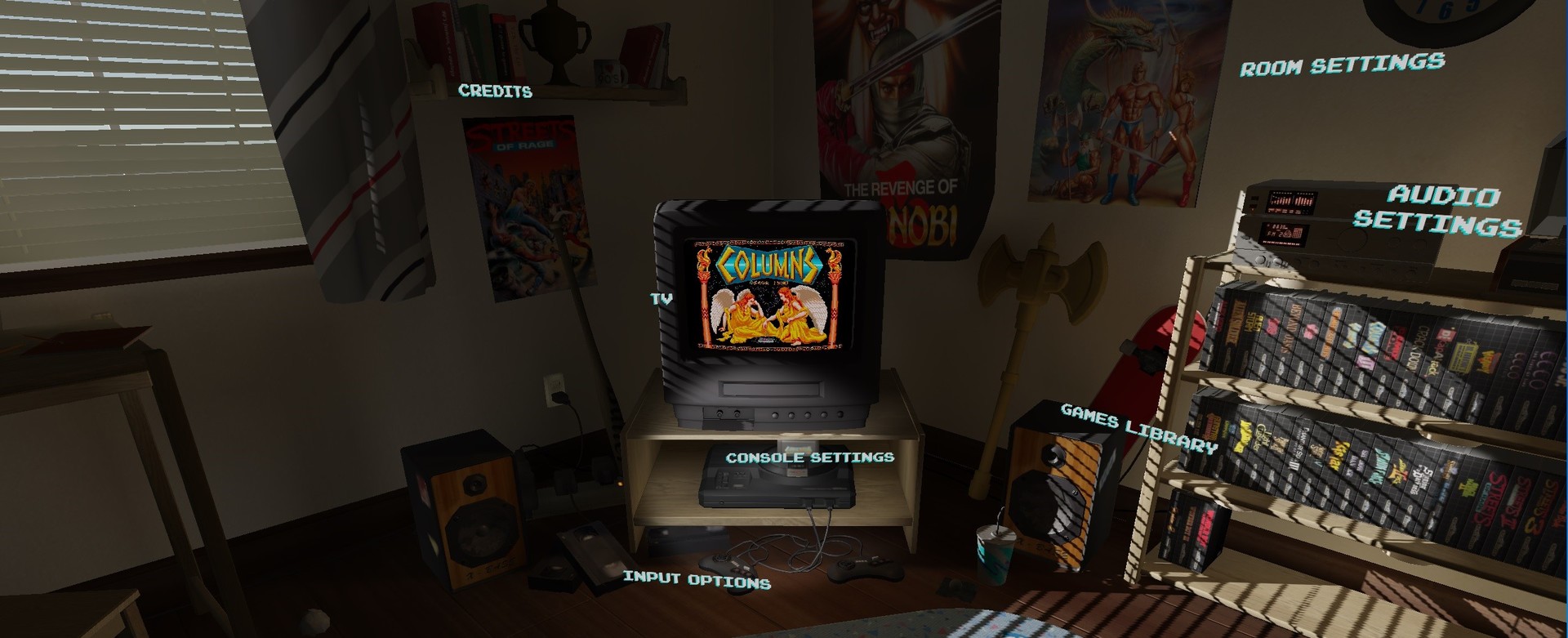
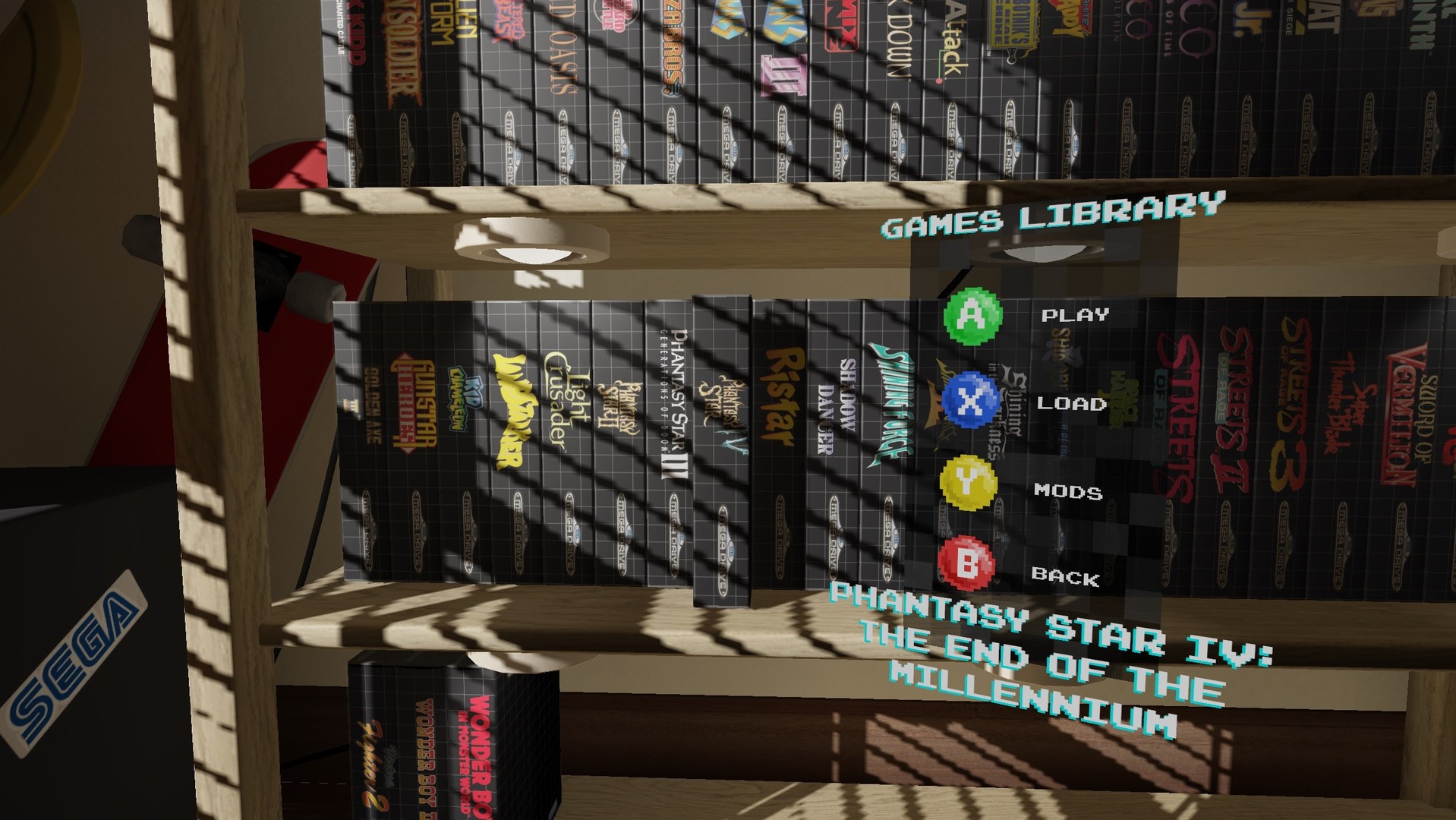
- SEGA Mega Drive and Genesis Classics on Steam collects dozens of Genesis games, including the original Sonic the Hedgehog.
- Nintendo Switch Online includes a library of SNES games, and its Expansion Pack tier adds a Sega Genesis library, so both sides of the war live on the same console.
- If you want the arcade roots of the story, start with Altered Beast, the game Sonic pushed out of the box.