Resident Evil at 30: The Mansion Game That Named a Genre
A Super Nintendo project, a remake of a cursed Famicom game and a name chosen in a staff contest: Resident Evil's first 30 years were stranger than its zombies.
On March 22, 1996, Japanese players loaded a PlayStation disc and watched a grainy live-action film of American actors running from dogs in a dark forest. Then the game began, and a mansion door creaked open.
That game, Biohazard, known in the West as Resident Evil, turned 30 this year. The series has now sold more than 213 million copies, making it Capcom's best-selling franchise, and its ninth main game, Resident Evil Requiem, became the fastest-selling entry ever in February. Here is how a horror experiment created a genre.
Born from Sweet Home
Resident Evil was directed by Shinji Mikami and produced by Tokuro Fujiwara, and it borrowed heavily from Fujiwara's 1989 Famicom horror game Sweet Home. Many of its systems came from there, including the famous door animations between rooms.
Development started in 1993 on the Super Nintendo before moving to the PlayStation in 1994. The first prototype was fully 3D and first-person. Mikami switched to fixed camera angles after discovering Alone in the Dark, because pre-rendered backgrounds let the team show far more detail than real-time 3D could manage at the time.
The game put players in the Spencer Mansion, deep in the Arklay Mountains, with limited ammunition, typewriters for saving and enemies that took several bullets to stop. It sold over 1 million copies in Japan in 1996 and over a million in the US by September. Combined, the PlayStation versions passed 5.08 million. And the term coined for this kind of game, survival horror, became the name of a whole genre.

The camera moves
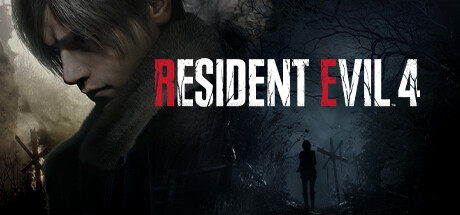
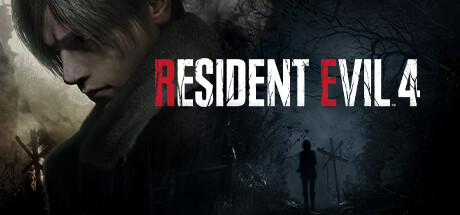
Resident Evil 2 (1998) took the formula to the streets of Raccoon City and made it bigger. But the most important turn came in 2005, when Resident Evil 4 threw away fixed cameras for an over-the-shoulder view. It was faster and more action-heavy, and it changed third-person shooters across the industry for years.
The action grew. Resident Evil 5 (2009) became one of the series' biggest sellers despite fans being split on its direction, and Resident Evil 6 (2012) got mixed reviews. Many felt the series had lost the dread that made it special.
The great reinvention
Capcom's answer came in January 2017. Resident Evil 7 switched to first person, shrank the scale to one family's rotting house and ran on the company's new RE Engine. It brought back fear, and it started a run of success that has not stopped.
Then came the remakes. Resident Evil 2 (2019) sold over five million copies within a year, and Guinness World Records later named it the best-selling survival horror game. Resident Evil Village (May 2021) continued the first-person story, and the Resident Evil 4 remake arrived on March 24, 2023.
This year, Resident Evil Requiem combined both styles. Released on February 27, 2026, it lets players control Grace Ashcroft in first person and Leon S. Kennedy in third person, and it sold 5 million copies in five days, the fastest in series history. Its Metacritic scores run from 89 to 93 depending on platform. Read our full story on Resident Evil Requiem.
Why it still matters
Few series have changed direction as often, or as successfully. Resident Evil invented one genre, reshaped another with RE4 and then proved with RE7 that a big franchise can reset itself without losing its identity.
WGC's take: the secret of Resident Evil's 30 years is that Capcom has never been afraid to look backwards. The remakes did not just sell well, they taught a new generation why the old games mattered, and Requiem shows that the series' past and present can live in the same game.
What to play next
- Resident Evil 4 (2023) on PC, PS5 and Xbox Series X|S is the best modern entry point.
- Resident Evil Requiem is the newest, and plays both ways.
- Fans of pure dread should go back to Resident Evil 7, still one of the scariest big-budget games of the past decade.