How Nexon and Korea's PC Bangs Invented the Free-to-Play Game
Long before Fortnite skins, a Seoul start-up let people play a quiz game for nothing and sell them hats. The story of Nexon, the PC bang boom and the business model that took over the world.
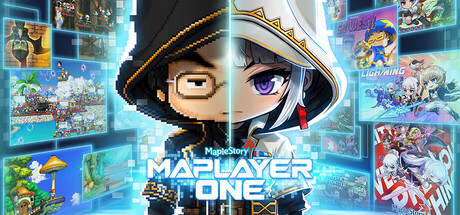
Today the biggest games in the world cost nothing to download. Fortnite, League of Legends, Genshin Impact, Counter-Strike 2: you pay, if you pay at all, for skins, passes and extras. It is the dominant business model of modern gaming, and one of its clearest origin stories starts in Seoul in the late 1990s, with a small company called Nexon, a quiz game and a lot of cartoon clothes.
This is how Korea's online game pioneers, and the internet cafes that kept them alive, helped invent free-to-play.
A start-up in 1994
Nexon was founded on December 26, 1994, in Seoul, by Kim Jung-ju. Korea was only beginning to wire itself for the internet, and most game companies around the world still sold boxes in shops. Nexon's founders bet on something else: games that lived on a server and that people played together, online, all the time.
Its first big release came on April 5, 1996: Baram, known in English as Nexus: The Kingdom of the Winds. It was loosely based on Korean mythology and a series of comics by artist Kim Jin, drawn in a friendly manhwa style. Among its original developers was Jake Song, who later led the creation of Lineage at NCSOFT.
Kingdom of the Winds is one of the earliest graphical MMORPGs anywhere, and it is still running. By 2020 it had passed 21 million registered users worldwide.
The PC bang boom
Nexon had the games. Korea had something even more important: the PC bang. These were rooms full of fast computers on broadband lines, rented by the hour, open late into the night. They spread across the country in the late 1990s, helped by government investment in high-speed internet and by a generation of young people who wanted somewhere to play together.
At their peak there were nearly 20,000 PC bangs across Korea. They were the perfect home for online games. Players did not need to own an expensive PC or a fast connection at home; they could walk to the corner, pay a small hourly fee and play with their friends at the next desk. Blizzard's StarCraft turned PC bangs into a national pastime, and Korean online games filled the screens next to it.
For publishers, PC bangs were also a business channel. Many online games earned money from the cafes themselves, through deals based on how many hours were played inside them, while the players in the seats often got bonuses for playing there. It was a model built around access and time, not around selling a box.
QuizQuiz and the hat that changed everything
In 1999, Nexon released QuizQuiz, a casual online game in which players competed in quiz rounds. It is widely recognised as one of the first free-to-play games built around microtransactions.
The game cost nothing to play. Players earned in-game money by doing well, and could spend it, or real money, on clothing and items for their avatars. Most of those items were purely cosmetic, though a few gave small advantages in certain rounds. Many items even required a minimum in-game "IQ" score before you could buy them, a cheeky way of turning skill into status.
That was the key idea: let everyone in for free, and make money from the people who want to stand out. It solved two problems at once. It lowered the barrier to entry for a huge audience, and it gave players a reason to keep coming back and keep spending. QuizQuiz later evolved into a Korean game called Q-Play.
MapleStory, KartRider and a global model
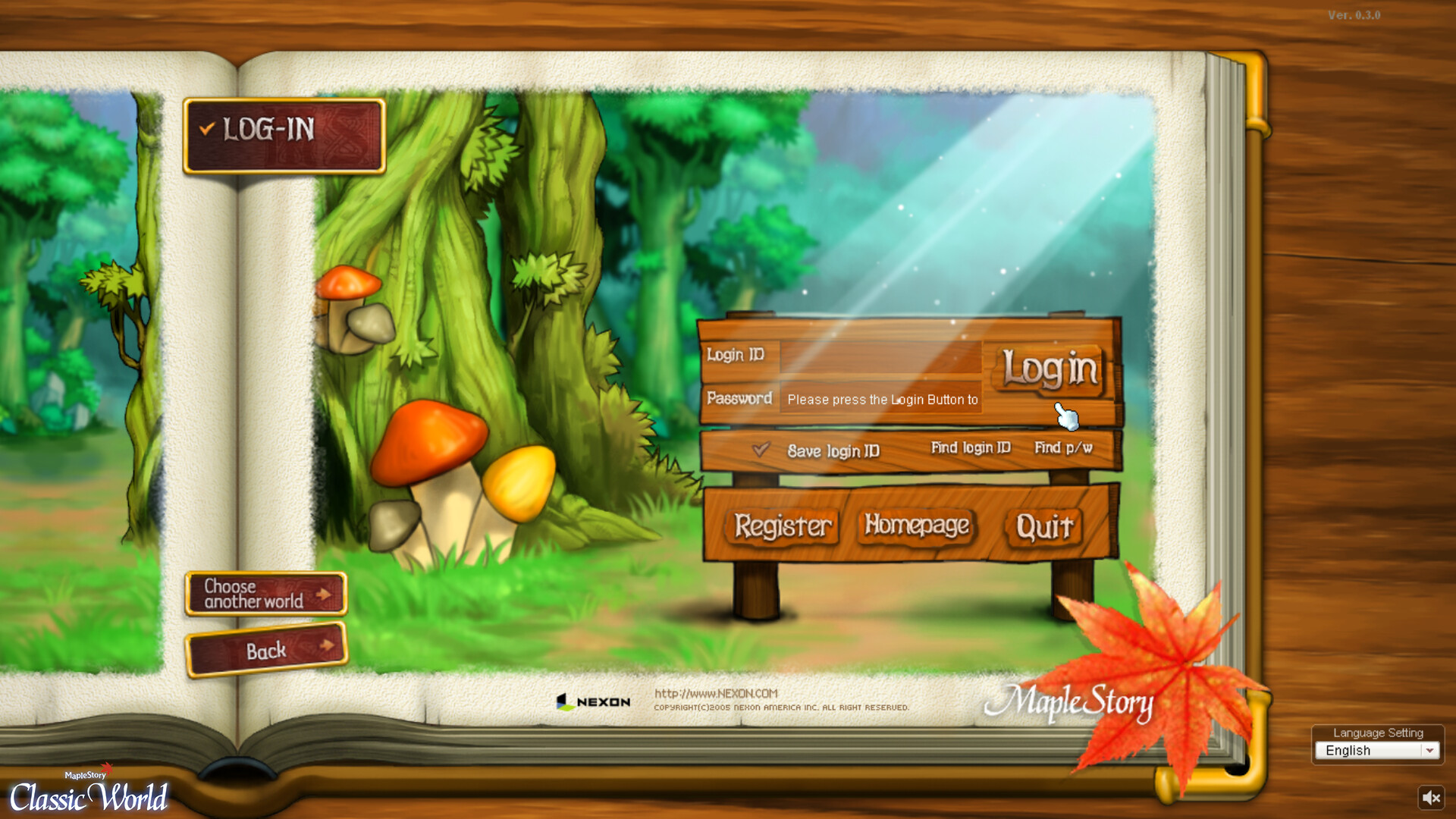
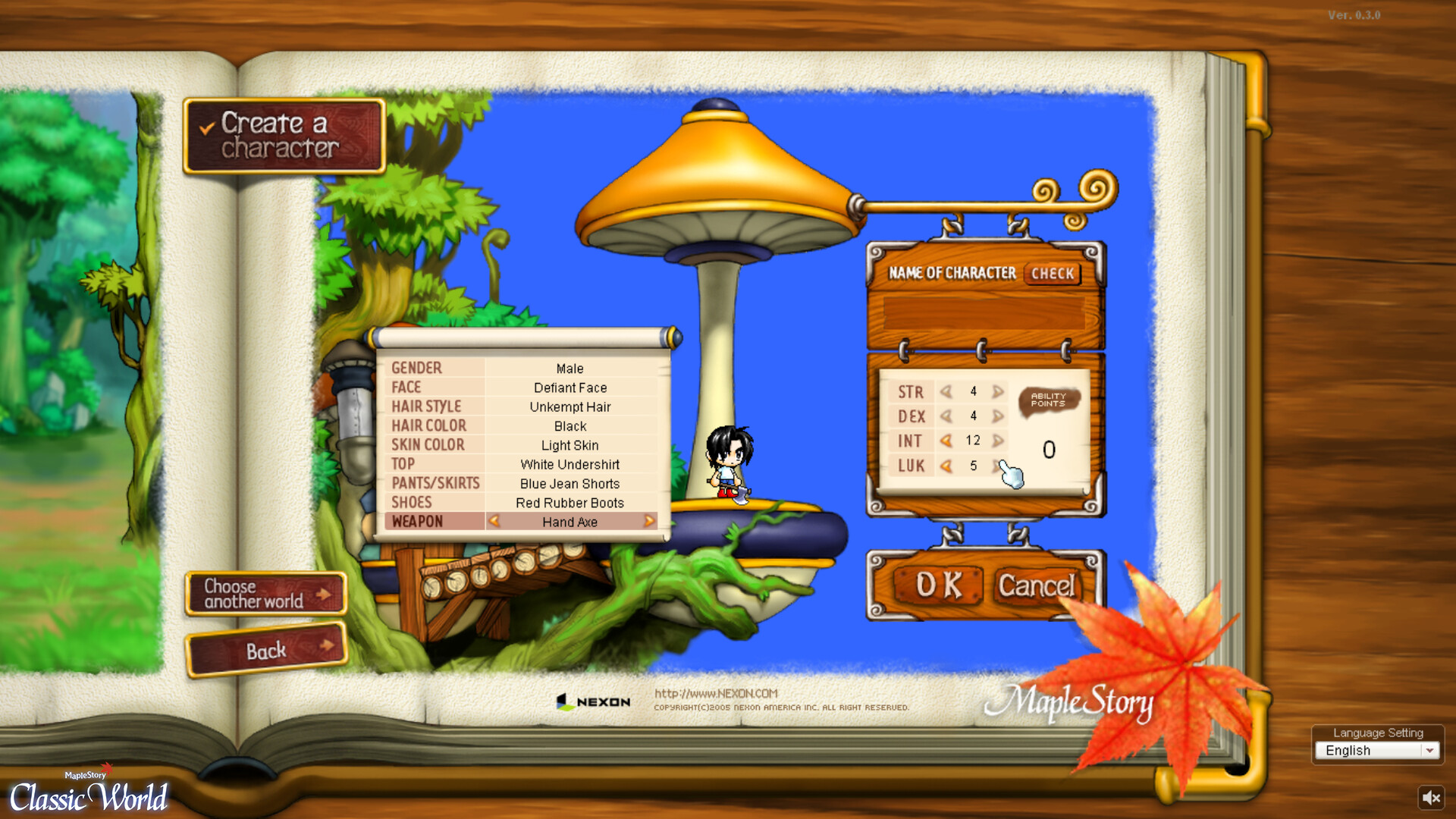
Nexon kept refining the formula. MapleStory, a colourful side-scrolling MMORPG created by the studio Wizet, launched in Korea in April 2003; Nexon bought Wizet the following year. KartRider followed in 2004 and became a playground phenomenon. Both were free to play, both sold cosmetic items and conveniences, and both became among the most recognisable Korean games of their time.
MapleStory also took the model overseas, reaching North America and other regions in the years that followed. Western companies were watching. By the end of the 2000s, League of Legends had launched as a free game in 2009, and in 2011 Valve made Team Fortress 2 free and sold hats. A decade after QuizQuiz, the business model Korean players had grown up with was spreading across the PC world.
The founder and the company he built
Kim Jung-ju became one of Korea's best-known entrepreneurs, and Nexon grew into a group that now includes Neople (Dungeon & Fighter), the studios behind Blue Archive, and Stockholm's Embark Studios, maker of The Finals and ARC Raiders. Kim died in 2022, leaving a company that still runs some of the games it launched in the 1990s.
Free-to-play also brought problems that Korea met first. Players complained about pay-to-win items and aggressive monetisation. Random "probability items", the Korean ancestor of loot boxes, became a political issue, and the country eventually required games to disclose the odds. We cover how other countries are tackling the same mechanics in our loot box law guide.
By the numbers
- December 26, 1994: Nexon founded in Seoul
- April 5, 1996: Kingdom of the Winds (Baram) launches
- 12,263: simultaneous users in one world, a Kingdom of the Winds record
- 1999: QuizQuiz pioneers free-to-play with item sales
- April 2003: MapleStory launches in Korea
- Nearly 20,000: PC bangs in Korea at their peak
- 6,792: PC bangs in January 2026
Why it matters
Free-to-play did not appear in one place at one moment; similar ideas were growing in China and elsewhere around the same time. But Korea had the clearest early laboratory, because the PC bang gave online games an audience that did not need to buy anything. Nexon took that environment and turned it into a model: free entry, social play, cosmetic spending, and games that run for decades instead of months.
Every battle pass, every skin shop and every gacha banner owes something to that experiment. So do the arguments about fairness and spending that come with them. The PC bang may be fading, but the business model it helped create is now the default.
WGC's take: when people talk about Korea's influence on games, they usually mean esports. The quieter export was the business model. It may be the most important thing the country's game industry ever invented.
What to play next
- MapleStory is still free on PC, including on Steam, more than two decades after its Korean launch.
- Kingdom of the Winds still runs in Korea, one of the longest-running graphical online games in the world.
- For the other half of the battle pass story, read how Dota 2 and Fortnite built the battle pass.