The Phone Is the Main Stage Now: Inside Mobile Esports' Biggest Year
A Chinese streaming platform's team won Honor of Kings, a Russian-founded club took MLBB's crown in Riyadh, and a Philippine squad swept the M7 world final. How mobile games became some of the most-watched competitions on the planet, and what to watch in 2027.
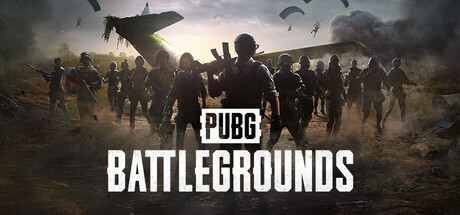
Ask a fan in Jakarta, Manila or Shanghai to name the biggest esports event of their year, and many will not mention a PC game at all. In January 2026, the final of the MLBB M7 World Championship in Jakarta drew an audience large enough to be called the most-watched mobile esports event on record. The players held phones. So did most of the people watching.
Mobile esports spent its early years being treated as a curiosity. In 2026 it was the main event for much of Asia. Across the Esports World Cup (EWC) in Riyadh this summer, three mobile titles crowned champions in front of packed arenas: Kuaishou Gaming won the Honor of Kings World Cup, Team Spirit won the MLBB Mid Season Cup, and S2G Esports won the PUBG Mobile World Cup. Here is how the phone became a stage, and who rules it.
Three games, three empires
Mobile esports is dominated by a handful of free-to-play giants, each with its own heartland.
Honor of Kings, made by Tencent's TiMi studios, launched in China in 2015 and became the country's biggest mobile game, a five-versus-five battle arena tuned for short phone sessions. Its professional league, the King Pro League (KPL), has run since 2016. The game only launched globally, under Tencent's Level Infinite label, in June 2024.
Mobile Legends: Bang Bang (MLBB), from Shanghai-based Moonton, launched in 2016 and became the defining game of Southeast Asia, especially Indonesia and the Philippines. ByteDance, the owner of TikTok, acquired Moonton in 2021.
PUBG Mobile, built by Tencent's Lightspeed & Quantum studio under licence from Krafton, launched worldwide in March 2018, bringing the battle-royale craze to phones. Garena's Free Fire, a lighter battle royale built to run on cheap phones, followed in 2017 and became enormous in Brazil, Southeast Asia and India.
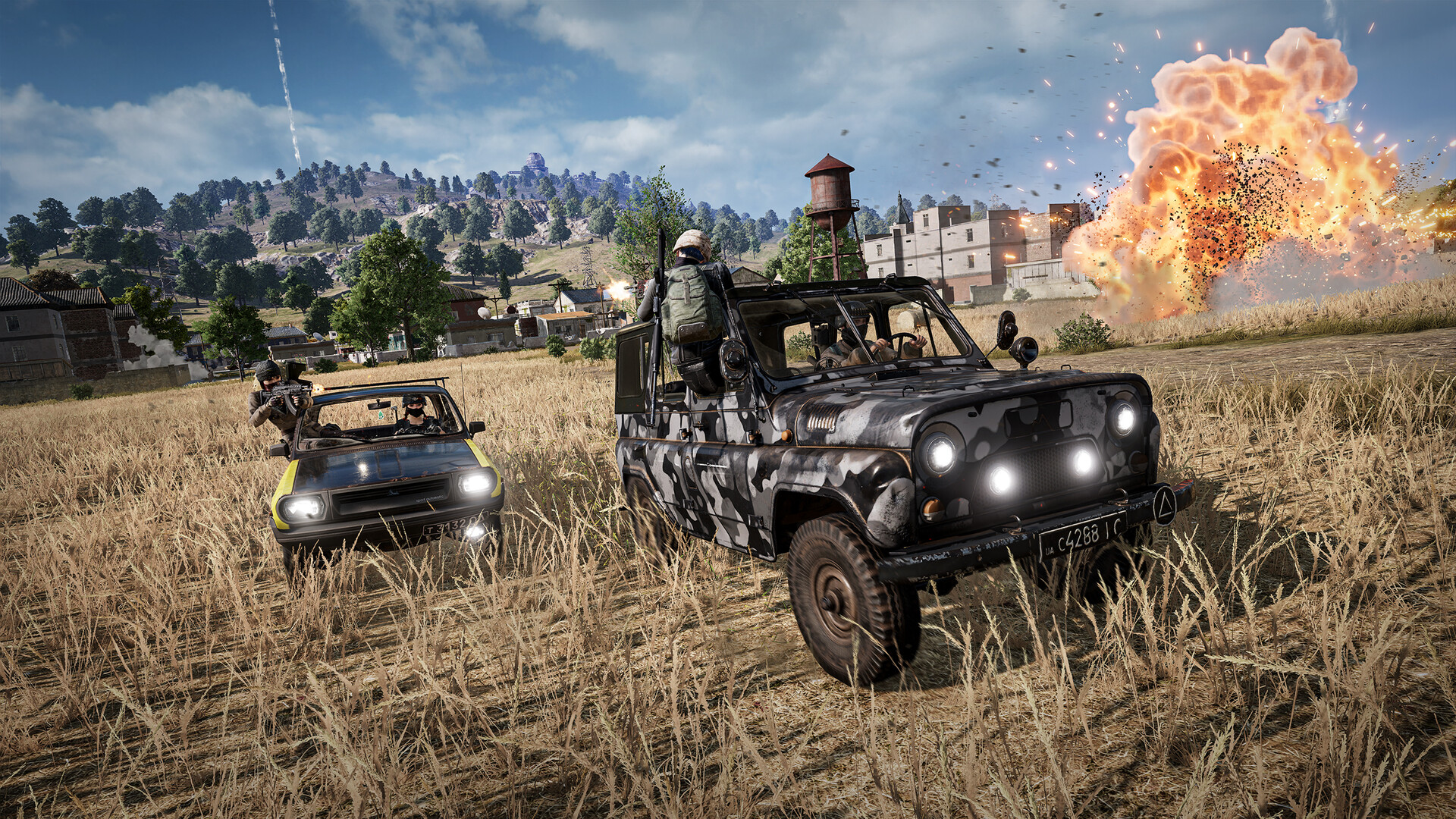
2026: an underdog summer in Riyadh
The EWC has included mobile games since its first edition in 2024, and this year the mobile finals produced some of the event's best stories.
- Honor of Kings World Cup: Kuaishou Gaming (KSG), the team backed by the Chinese short-video platform Kuaishou, defied expectations to beat AG.AL in the final in August.
- MLBB Mid Season Cup (MSC): Team Spirit, an organisation better known for Dota 2 and Counter-Strike, came through as an underdog and outlasted Myanmar's Yangon Galacticos in the final. Last year's finalists, Team Liquid PH and Selangor Red Giants, had both fallen in the group stage.
- PUBG Mobile World Cup (PMWC): S2G Esports survived a nine-day gauntlet of battle-royale matches to lift the trophy. The 2025 edition had been won by Yangon Galacticos, who came back from the brink of elimination.
The world finals: the Philippines' habit
The MLBB calendar's biggest prize is still the M-series World Championship, held each winter. In January 2026, M7 was staged in Jakarta, and the Philippines' Aurora Gaming beat Indonesia's Alter Ego 4-0 in the final, a clean sweep in front of a home crowd cheering for the other side.
Philippine teams have turned the M-series into a national tradition. Since M2 in early 2021, the title has gone to a Philippine club every time, a run that makes the Philippines to MLBB what Korea long was to League of Legends.
PUBG Mobile's global circuit
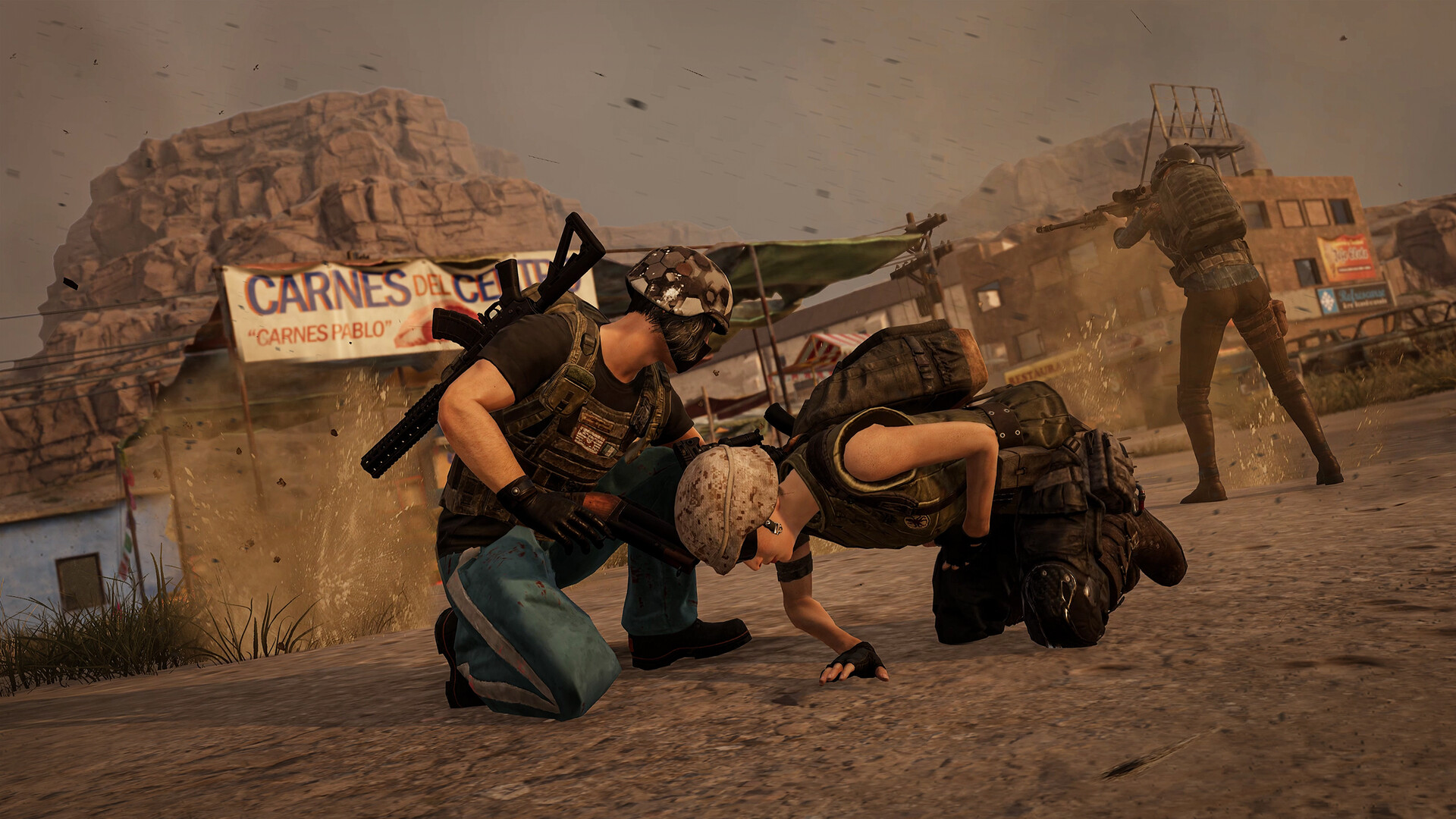
PUBG Mobile runs the most elaborate circuit of the three. Its season ends with the PUBG Mobile Global Championship (PMGC), and the 2025 edition, held in Bangkok with a $3 million prize pool, was won by Brazil's Alpha7 Esports, capping what the EWC's own coverage called a championship comeback that ran from Riyadh to Bangkok. For 2026, the game's esports roadmap added new global open events, including stops in Indonesia and Pakistan, and PUBG Mobile was named the 16th title of the new Esports Nations Cup, a country-versus-country tournament from the EWC's organisers.
By the numbers
- 2015 / 2016 / 2018: launch years of Honor of Kings, MLBB and PUBG Mobile.
- 100 million+: Honor of Kings daily active users reported by Tencent in 2020.
- 4-0: Aurora Gaming's sweep of Alter Ego in the M7 final, January 2026.
- $3 million: the PMGC 2025 prize pool in Bangkok.
- 9 days: the length of the PMWC 2026 gauntlet won by S2G Esports.
- 16th: PUBG Mobile's place in the Esports Nations Cup line-up.
What a mobile tournament looks like
If you have never watched one, a mobile esports final looks surprisingly like a PC event. Players sit in rows on stage, usually wearing noise-cancelling headsets so they cannot hear the casters or the crowd. The big difference is in their hands: instead of keyboards and monitors, each player holds a phone, and organisers typically supply identical tournament devices so that no team gains an edge from faster hardware. Phones are checked, charged and often cooled between matches, because a device that throttles under heat can cost a fight.
Broadcasts are built for viewers who are also watching on phones. Matches are short, especially in MLBB and Honor of Kings, where a game often lasts well under half an hour, and overlays are designed to be readable on a small screen. That is part of why the audiences are so large: you can watch a world final on the same device you play on, and then jump straight into a match of your own.
Why mobile esports is different
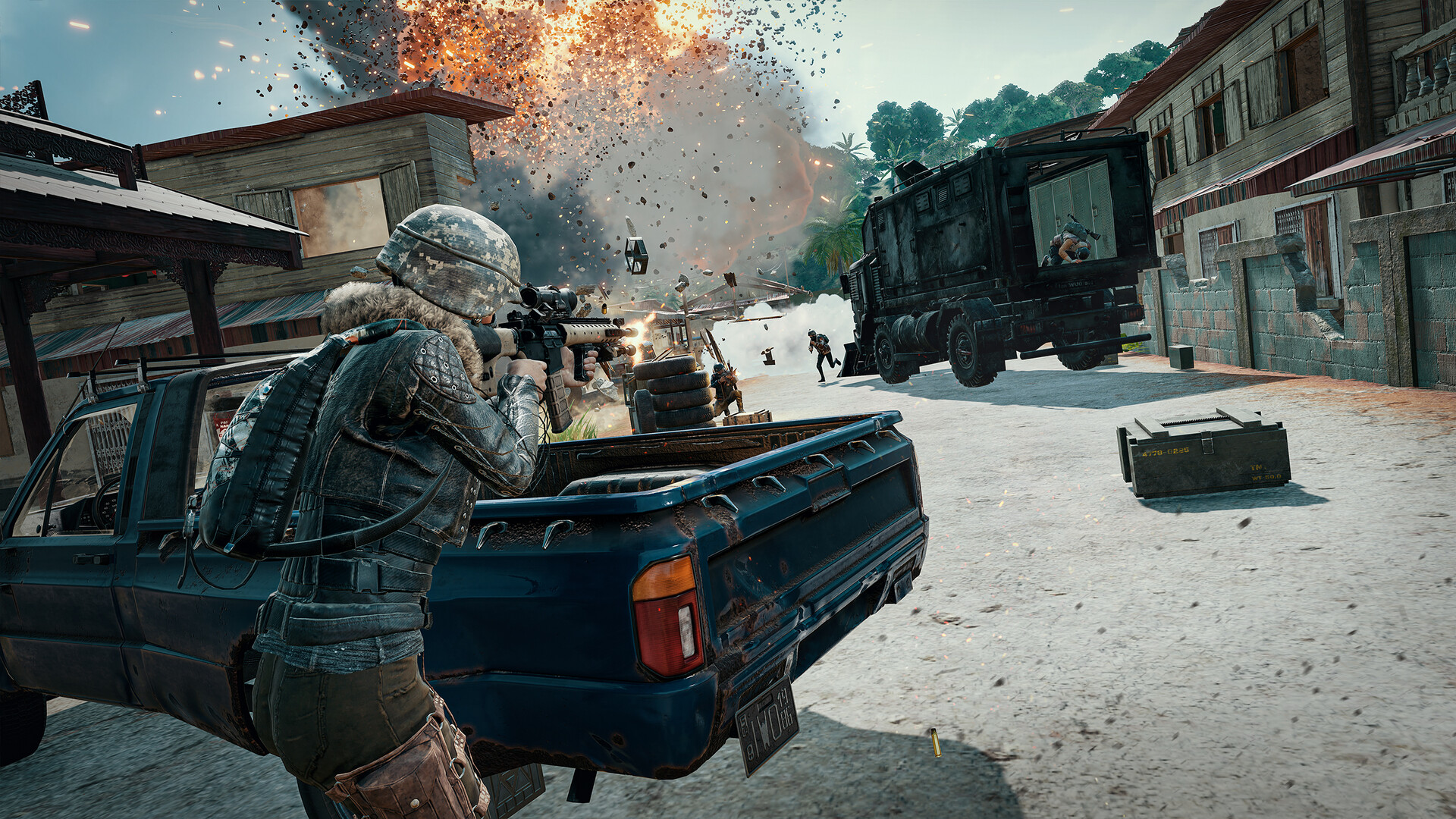
Three things make mobile esports its own world. First, accessibility: in countries where few people own a gaming PC, nearly everyone owns a phone, so the audience and the talent pool are huge. Second, publisher control: Tencent, Moonton and Garena run their leagues directly, which means stable calendars but little independence. Third, regional loyalty: MLBB is a Southeast Asian sport, Honor of Kings a Chinese one, and global events like the EWC are where those worlds meet. That is also why Korea, a superpower in PC esports, has a much smaller footprint here. Korean companies are still involved, though: Krafton's PUBG is the foundation of PUBG Mobile, and Krafton licenses the brand to Tencent for the mobile game. The players on stage, however, mostly come from China, Southeast Asia, South Asia, the Middle East and Latin America.
What to watch next
- M8 World Championship: MLBB's next world final, the first big test of whether anyone can end the Philippines' run.
- KPL and the Honor of Kings World Cup: whether KSG's win starts a dynasty or remains a summer upset.
- Esports World Cup 2027: the return of all three mobile titles to Riyadh next summer.
- Esports Nations Cup: PUBG Mobile's place in the new country-versus-country tournament means fans will soon cheer for national flags as well as clubs, a format that suits mobile games, whose biggest audiences are concentrated in a handful of countries.
- Phones as gear: tournament-standard devices and controllers matter more every year (see our gaming phones history).
For more on each scene, read our deep dives on MLBB's M7, Honor of Kings esports and PUBG Mobile's circuit.