Snoop's Neighbour Paid $450,000: The Great Metaverse Land Rush and Crash
In late 2021, companies paid millions for empty plots in virtual worlds most people had never visited. A year later, one of those worlds counted 38 daily users on a key measure. How digital real estate became the bubble of the decade.
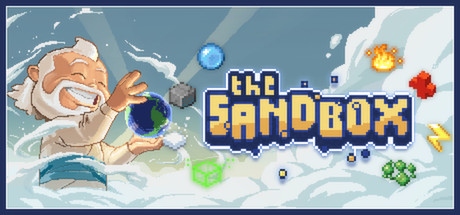
On 2 December 2021, an anonymous NFT collector paid about 71,000 SAND, worth roughly $450,000 at the time, for a patch of land in a video game. It had no buildings and no players. Its selling point was location: it sat next to a virtual mansion being built for Snoop Dogg. The rapper's reaction on social media was a cheerful "Won't u be my neighbor."
That sale captured the mood of the moment perfectly. For a few months in late 2021, buying land in blockchain worlds like Decentraland and The Sandbox looked, to a lot of people with money, like getting in on the ground floor of the next internet. By the end of 2022, monthly sales across those platforms had fallen by 96%.
Token and land prices are extremely volatile. All figures are dated historical snapshots, not guidance.
What "metaverse land" actually is
Both worlds work the same basic way. The map is divided into a fixed number of square plots, each one an NFT that can be bought, sold and built on. Owners can put up shops, galleries, games or concert venues, and in theory charge visitors or sell advertising. Because the number of plots never grows, early backers argued land would become scarce, like property in a real city.
Decentraland was created by Argentine developers Ari Meilich and Esteban Ordano, who began work in 2015. Its first map, Genesis City, has 90,601 parcels. It raised about $26 million in a 2017 coin offering and opened to the public as a browser-based world on 20 February 2020. The Sandbox, the other big name, takes its name from a 2012 crafting game whose brand was bought in 2018 and rebuilt as a blockchain world in which players own their plots.

The rush
Interest built slowly and then all at once. During the NFT surge of April 2021, Decentraland parcels were selling for between $6,000 and $100,000. Then, in October 2021, Facebook renamed itself Meta, and suddenly "the metaverse" was the hottest word in business. Decentraland's MANA token spiked to $5.79 in the aftermath.
The record sales came fast:
- In late November 2021, Metaverse Group, a subsidiary of Tokens.com, paid 618,000 MANA, about $2.43 million, for a plot in Decentraland's fashion district.
- About a week later, virtual property firm Republic Realm paid $4.3 million for land in The Sandbox, bought from Atari. At the time it was the biggest publicised metaverse property sale ever. Republic Realm said it owned about 2,500 plots across 19 virtual worlds, and it planned to develop some of its new Sandbox land together with Atari, a games company selling virtual property to a property company in a world built from a game.
- In early December 2021, the Snoopverse estates went on sale in The Sandbox. Two other estates there went for roughly $338,000 and $410,000, and the platform said it had sold 1,000 tickets for a planned Snoop Dogg concert.
Big brands piled in. Samsung, Adidas, Atari, PwC and Miller Lite set up in Decentraland, and auction house Sotheby's held a metaverse sale there. In March 2022, Decentraland hosted a Metaverse Fashion Week featuring Dolce & Gabbana, Tommy Hilfiger and Estée Lauder.
By the numbers
- 90,601: parcels in Decentraland's Genesis City.
- $4.3 million: Republic Realm's Sandbox purchase, November 2021.
- $2.43 million: Metaverse Group's Decentraland fashion-district plot, November 2021.
- $49.2 million to about $2 million: monthly metaverse land trading, January versus November 2022, a 96% drop.
- About 90%: the fall in metaverse land prices during 2022.
- 38: Decentraland's daily active users on one day in October 2022, by DappRadar's on-chain measure.
The crash
The fall was as steep as the climb. Across metaverse platforms, monthly trading volume went from $49.2 million in January 2022 to about $2 million in November 2022. Land prices dropped about 90% over the year. NFT Worlds, a rival that briefly led the market, had seen its average land sale peak at $44,000 in the last week of February 2022. By late 2022, an average Decentraland parcel sold for about $1,780.
Then came the number that went viral. In October 2022, data site DappRadar reported that Decentraland had just 38 daily active users in one 24-hour period, against 522 for The Sandbox. Both platforms' tokens were then valued at around $1.3 billion each.
Still, even the friendlier numbers were tiny next to the valuations. Critics had been saying for years that these worlds felt empty. Reviewers in 2021 described Decentraland as buggy, poorly moderated and mostly deserted, and a much-hyped virtual rave in January 2022 drew mockery for how empty it looked.
The Sandbox's reset
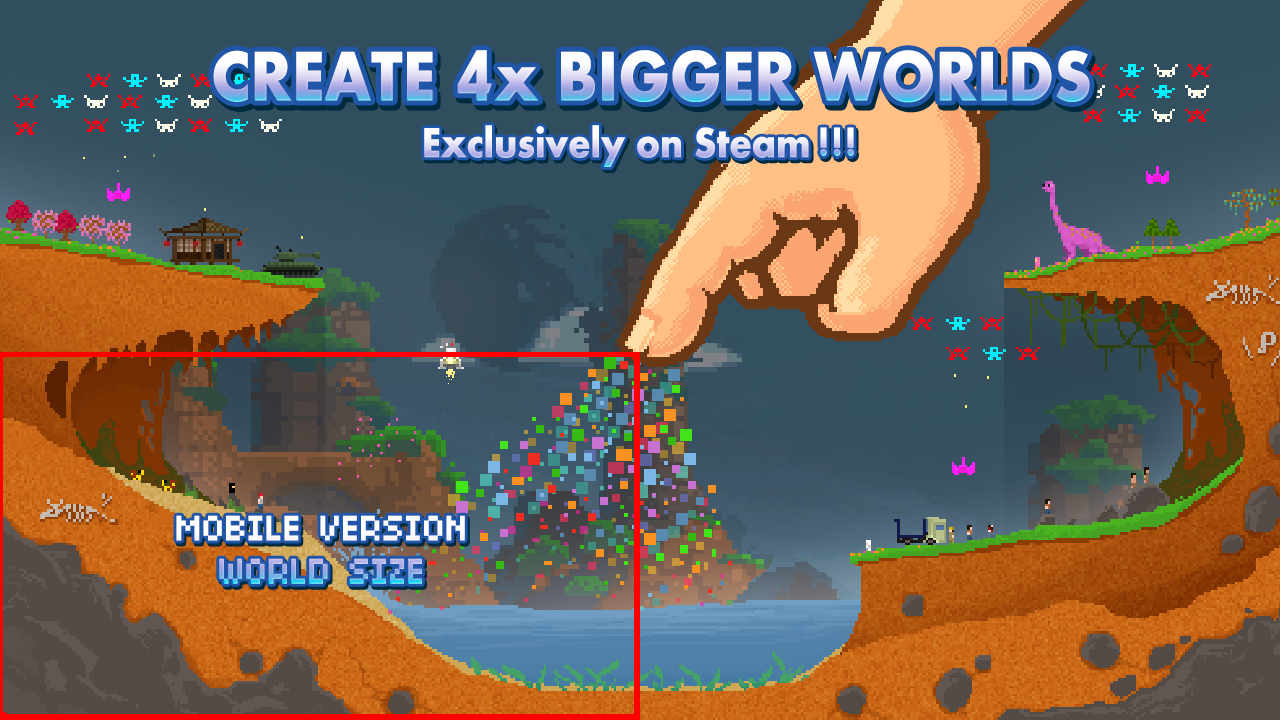
The Sandbox kept building through the downturn, hosting celebrity and brand events. But in August 2025, its parent company Animoca Brands laid off more than half of The Sandbox's roughly 250 staff, citing in part the efficiency of AI tools. Co-founders Sébastien Borget and Arthur Madrid moved into ambassador and chairman roles, and Animoca CEO Robby Yung took over as chief executive. Reports said the company was building a meme-coin launchpad, though Animoca said it was not abandoning its core mission.
The reporting around that reset included a striking comparison: in November 2021, The Sandbox had about 30,000 monthly active users, which analysts at Naavik worked out to a valuation of roughly $472,000 per user at the time.
Why the bet failed
Looking back, the logic of the land rush had a hole in the middle. Real land is valuable because people need somewhere to live, work and shop. Virtual land is only valuable if people want to spend time there. Buyers were paying for location in worlds that had not yet given anyone a reason to visit.
There was also a timing problem. Most of the record purchases happened in a few weeks after Facebook's rebrand, when the word "metaverse" was on every earnings call. Buyers were reacting to a headline, not to evidence that these particular worlds were growing.
Scarcity was also less real than it looked. Each world could limit its own plots, but anyone could launch a new world, and many did. When attention moved on, there were far more plots than visitors.
WGC's take
The metaverse land rush is the clearest example of blockchain gaming putting the asset before the game. Decentraland and The Sandbox are real, playable places, and both have hosted events that were genuinely creative. But the prices paid in 2021 were bets that crowds would come, not rewards for crowds that had already arrived. Games earn their audiences first. Here, the order was reversed.
What to watch
Decentraland launched a beta of a new desktop client, Decentraland 2.0, in October 2024, adding quests and minigames, which is exactly the right direction: give people things to do. The real test for both worlds is the one every online game faces, and it has nothing to do with land prices: will people come back next week because they had fun? For more on how the 2021-22 boom unravelled across the industry, see our editorial on the lessons of blockchain gaming's crashes.