Lilith Games: The Shanghai Studio That Made Idle Games Respectable
It started with a game that borrowed a little too much from Warcraft. Then came Rise of Kingdoms, AFK Arena and AFK Journey. How Lilith turned 'play while you are away' into a global business.
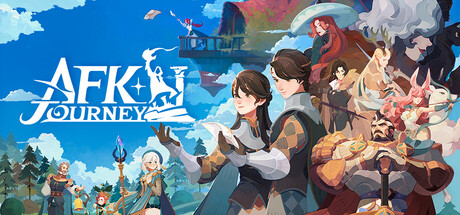
There is a moment every AFK Arena player knows. You open the game after a long day, and a treasure chest is waiting, full of gold and experience your heroes earned while your phone sat in your pocket. That small pleasure, getting rewarded for being away, built one of China's most successful game exporters.
Lilith Games, based in Shanghai, is the studio behind AFK Arena (2019), the strategy game Rise of Kingdoms (2018) and AFK Journey, which launched worldwide in March 2024. Its games are rarely the loudest on the charts, but they have stayed in the top-grossing lists of dozens of countries for years.
A risky first hit
Lilith was founded in 2013. Its breakout came quickly with a mobile card RPG known in China as Dota Legends, whose heroes looked very familiar to anyone who had played Warcraft III or Dota. The game was a huge success in China, and so were the legal headaches: Blizzard and Valve, the owners of those worlds, objected to how it used their characters, and the game was later renamed and reworked, appearing abroad as Soul Hunters.
It was an early lesson that shaped Lilith's later work. Its next games built their own worlds from scratch.
Rise of Kingdoms: history as a strategy game
Rise of Kingdoms, released worldwide in 2018, is a real-time strategy game in which you build a city, gather resources, train troops and fight on a huge shared map with tens of thousands of other players. Instead of fantasy races, you choose a historical civilisation, from Rome and China to Japan and Korea, and recruit famous commanders from history.
What set it apart from older "4X" strategy games on phones was its smooth, zoomable map: you can pull out from your city to see armies marching across the whole kingdom in real time, with no loading screens. Alliances form, betray each other and go to war in campaigns that last months.
AFK Arena and the idle boom
AFK Arena, released in April 2019, took a genre many players saw as throwaway, the idle game, and gave it lavish art and a proper fantasy story. In an idle RPG, your team fights automatically and earns rewards even when the app is closed; your job is to collect heroes, choose formations and decide where to spend upgrades.
The formula clicked. By June 2019, just two months after launch, AFK Arena had 6.6 million players. Industry estimates later put it at more than 45 million downloads and close to $1 billion in lifetime revenue.
AFK Journey: the sequel that grew up
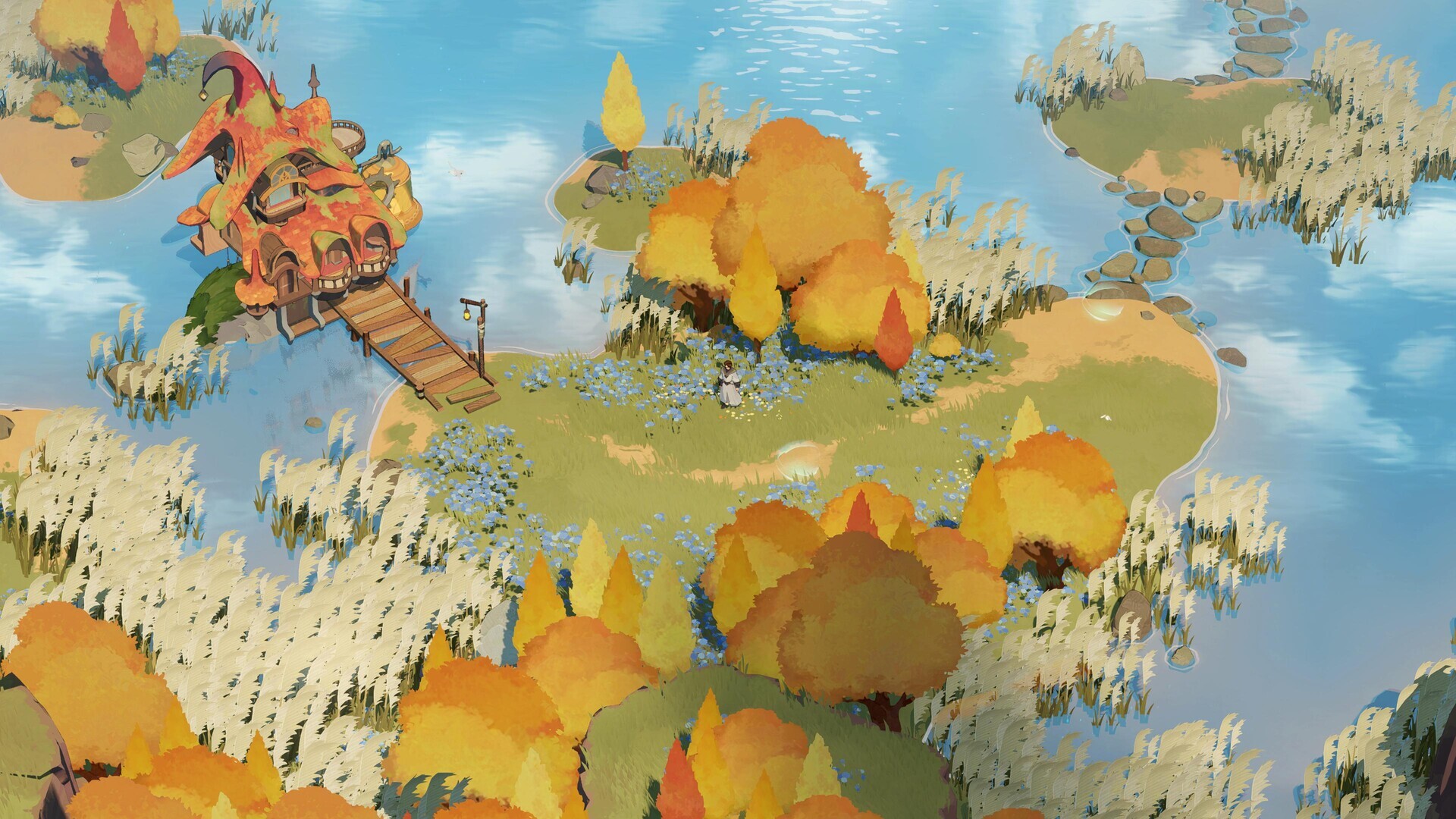
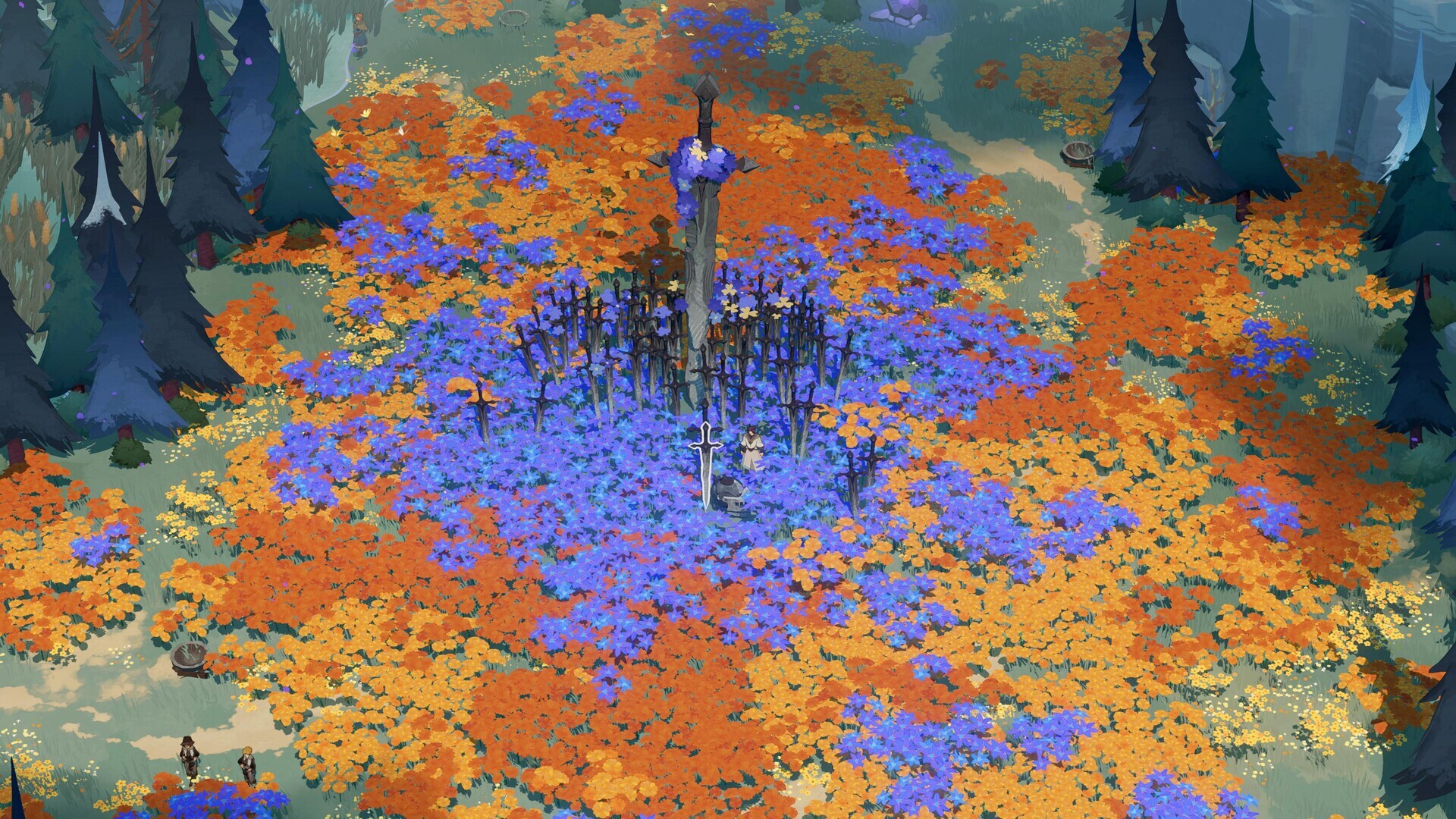
AFK Journey, released in March 2024 under Lilith's global publishing label Farlight Games, kept the idle rewards but added an explorable world called Esperia, painted in a soft storybook style. You walk your hero through forests and towns, solve small puzzles and fight in hexagonal tactical battles where positioning matters as much as power.
It also arrived on PC through Lilith's launcher, alongside phones, reflecting how even idle games now expect players to switch screens. For many longtime fans, it felt like the series finally becoming the fantasy RPG its art always promised.
Why it matters
Lilith is a good example of how Chinese studios matured during the smartphone era. It started with a game that leaned on other people's characters, learned from the backlash, and built original worlds that sell around the globe. Its success in genres that are easy to dismiss, idle RPGs and mobile strategy, is a reminder that "simple" games often need the most careful design.
What to play: if you want something relaxing to check twice a day, try AFK Journey. If you enjoy long-term strategy and alliances, Rise of Kingdoms remains one of the best of its kind, though it rewards a big time commitment. For a different kind of anime-style hit from China, see our Wuthering Waves story.