Larian Studios: The Belgian Indie That Bet the House Three Times and Won
Larian nearly went bust more than once before Baldur's Gate 3 sold 20 million copies. Now it is making Divinity, fending off an AI row and refusing to sell. A profile of Swen Vincke's studio.
In 2013, a Belgian studio asked strangers on the internet for $400,000 to make a role-playing game. They gave it $944,282. Larian's founder later said that without that money, and the game it paid for, the company would have gone bankrupt.
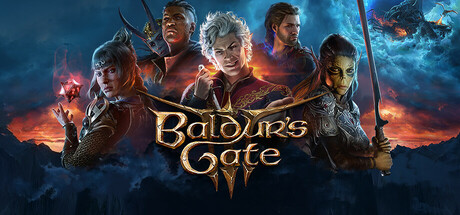
That game was Divinity: Original Sin. Ten years later, the same studio released Baldur's Gate 3, which has now sold more than 20 million copies and won Game of the Year at every major awards show. And in December 2025, at The Game Awards, Larian revealed its next project: a new game simply called Divinity.
It has been a bumpy year since, including a public row over generative AI. Here is how Larian Studios got here, and why it matters that it is still independent.
Thirty years of nearly making it
Swen Vincke founded Larian in 1996 in Ghent, Belgium, where the studio is still headquartered. Its first release, the real-time strategy game The L.E.D. Wars in 1997, was built in about five months.
The next few years were rough. An ambitious RPG called The Lady, the Mage and the Knight was abandoned in 1999 after problems between Larian, a German partner and the publisher. Larian finally got its fantasy RPG out in 2002 as Divine Divinity, followed by Beyond Divinity in 2004. They earned a loyal following, but Larian spent much of the 2000s doing contract work to keep the lights on.
The lesson Vincke took from those years shaped everything after: publishers had too much control, and the studio needed to own its games.
Kickstarter, then everything
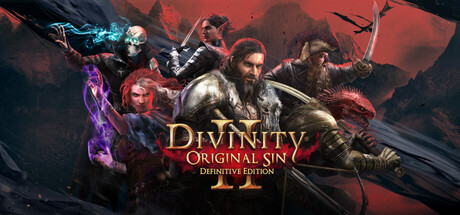
Crowdfunding gave Larian its freedom. The Divinity: Original Sin campaign raised $944,282 against a $400,000 goal, and the game's success in 2014 let Larian publish its own work. The sequel's campaign hit its goal within hours, and Divinity: Original Sin 2 (2017) became one of the best-reviewed RPGs of its decade.
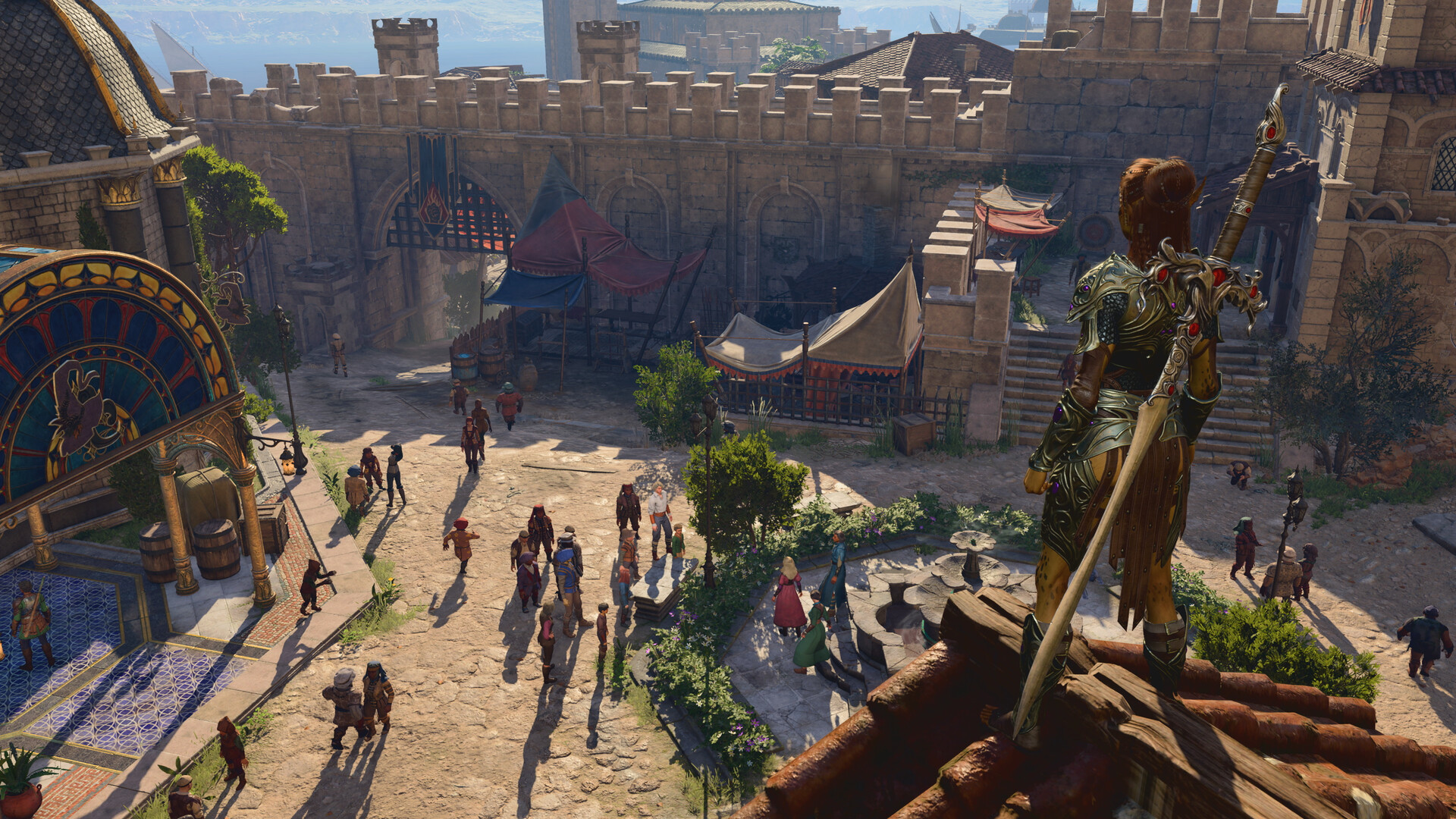
That track record won Larian the licence to make the third Baldur's Gate for Dungeons & Dragons owner Wizards of the Coast. It went into early access on October 6, 2020, meaning players could buy and play an unfinished version while the team kept building it, and released in full on August 3, 2023.
What followed was one of the biggest RPG launches in history. Baldur's Gate 3 peaked at 875,343 concurrent players on Steam, won Game of the Year at The Game Awards 2023 and at the D.I.C.E. Awards, and swept Game of the Year at all five major ceremonies. Sales passed 15 million by late 2024 and more than 20 million by December 2025.
Walking away from the sequel
In March 2024, Larian surprised everyone by saying it would not make DLC for Baldur's Gate 3, nor Baldur's Gate 4. It later explained that it had worked on another Dungeons & Dragons project with Wizards of the Coast and cancelled it. Vincke's explanation was striking: "all of the ingredients for a really cool game were there except the hearts of the developers."
Walking away from the sequel to one of the best-selling RPGs ever is the kind of decision few companies can make. Larian could, because of who owns it. Vincke and his wife hold the majority of the company. Tencent owns a minority stake. Vincke has said Tencent does not interfere in day-to-day decisions but that its backing gives the studio financial security.
Divinity, and the AI row
Larian unveiled Divinity with a cinematic trailer at The Game Awards in December 2025. Days later, an interview with Bloomberg turned the conversation to something else entirely.
Vincke said Larian used generative AI tools to explore ideas, flesh out presentations, develop concept art and write placeholder text, while insisting none of that would appear in the finished game. Players and former developers reacted angrily online, especially to the idea of AI concept art. The interview was published on December 16, 2025, and within a day the argument about AI had all but drowned out the trailer itself.
Vincke pushed back on social media, saying Larian was not replacing concept artists and used AI only for references and rough early outlines. He told IGN the studio was "neither releasing a game with any AI components, nor are we looking at trimming down teams to replace them with AI." In a Reddit question-and-answer session in January 2026, he went further: "there is not going to be any GenAI art in Divinity." Writing director Adam Smith added that no text-generation tools touch the game's dialogue or narrative, and described internal tests as "3/10 at best".
Larian also said it would only ever use generated creative assets if it was completely sure about the training data and creators' consent, and would train any such model only on data it owns. It said it employs 72 artists, including 23 concept artists, and is hiring more.
What Larian says about the business
Larian has given few details about Divinity: no platforms, no release window, no word on whether it will use early access again. But the studio's way of working is well known by now. It builds big, reactive RPGs slowly, tests them with players for years, and publishes them itself.
That approach looks expensive and risky on paper. In practice, it has made Larian one of the most valuable independent studios in the world. Baldur's Gate 3's long tail is part of that: roughly five million of its 20 million sales came in 2025 alone, two years after launch.
By the numbers
- 1996: Larian founded by Swen Vincke in Ghent.
- $944,282: raised on Kickstarter for Divinity: Original Sin, against a $400,000 goal.
- 875,343: Baldur's Gate 3's peak concurrent players on Steam.
- 20 million+: Baldur's Gate 3 copies sold by December 2025.
- 530: Larian staff across seven locations.
- 72 / 23: artists and concept artists at Larian, per Vincke.
Why it matters
Larian is the clearest proof in modern games that independence can scale. It did not sell to a giant after its first hit or its second. It kept control, took risks with its own money and its fans' money, and turned down the obvious sequel when the team's heart was not in it.
The AI row matters too. When the studio behind the most beloved RPG of the decade had to promise publicly that its next game would contain no AI art, it showed where players draw the line in 2026. WGC's take: Larian's quick, detailed response was the right one, and its promise is now part of Divinity's marketing whether it likes it or not.
What to play next
- Baldur's Gate 3, if you somehow have not, on PC, PlayStation 5 or Xbox Series X|S.
- Divinity: Original Sin 2 - Definitive Edition, the best way to see where Larian's style was born, and an easy recommendation before Divinity.
- Divinity, Larian's next RPG, with no release date yet. Follow Larian's official channels for news.