Japan's Publishers Are Printing Money: Konami, Square Enix and Capcom Soar
While Western studios cut jobs, Japan's big publishers just posted some of their best half-years ever. We compare Capcom, Konami, Square Enix and Sega, and explain the catalogue strategy behind the boom.

Here is a strange fact about the games business in 2026. In the same six months that Xbox cut thousands of jobs and EA closed BioWare, a group of Japanese companies quietly posted record or near-record profits, and two of them raised their forecasts for the full year.
The numbers are for April to September 2026, the first half of each company's fiscal year ending March 2027. Konami's game division grew profit by 75%. Square Enix lifted operating income by 42% and raised its annual forecast by ¥10 billion. Capcom grew sales by 49%. Only Sega had a weaker half, and even it beat its own plan.
Konami: the comeback is complete
Ten years ago, Konami was the company fans loved to complain about. In 2026 it is the most profitable story on this list.
Konami Group, April-September 2026 (announced October 29):
- Revenue: ¥308.0 billion, up 37.0%
- Business profit: ¥112.1 billion, up 72.2%
- Digital Entertainment revenue (video games plus Yu-Gi-Oh! cards): ¥243.5 billion, up 44.3%
- Digital Entertainment business profit: ¥107.5 billion, up 75.1%
Every one of those first-half figures is a record. Konami then raised its full-year forecast sharply: revenue from ¥505 billion to ¥583 billion, and business profit from ¥150 billion to ¥200 billion.
Its releases in the period included Metal Gear Solid: Master Collection Vol. 2, Silent Hill: Townfall, eBaseball: Pro Spirit 2026 and Suikoden Star Leap, while eFootball kept performing well after a major August update. The company still has Rev. NOiR and Rhapsody in Scarlet to come.
Square Enix: the multiplatform bet pays
For years Square Enix released its biggest games as console exclusives. Its strategy now is the opposite: put games on as many platforms as possible and keep selling the catalogue.
Square Enix, April-September 2026 (announced November 11):
- Net sales: ¥163.2 billion, up 21.9%
- Operating income: ¥38.8 billion, up 42.2%
- Digital Entertainment (games): sales ¥97.7 billion (+33.7%), operating income ¥32.9 billion (+63.5%)
The detail is in the three game businesses:
- HD games (console and PC): sales of ¥35.6 billion, up 48%, and operating income of ¥13.0 billion, up 160%. The drivers were the Final Fantasy VII Rebirth release for Nintendo Switch 2 and Xbox, The Adventures of Elliot: The Millennium Tales, and stronger catalogue sales.
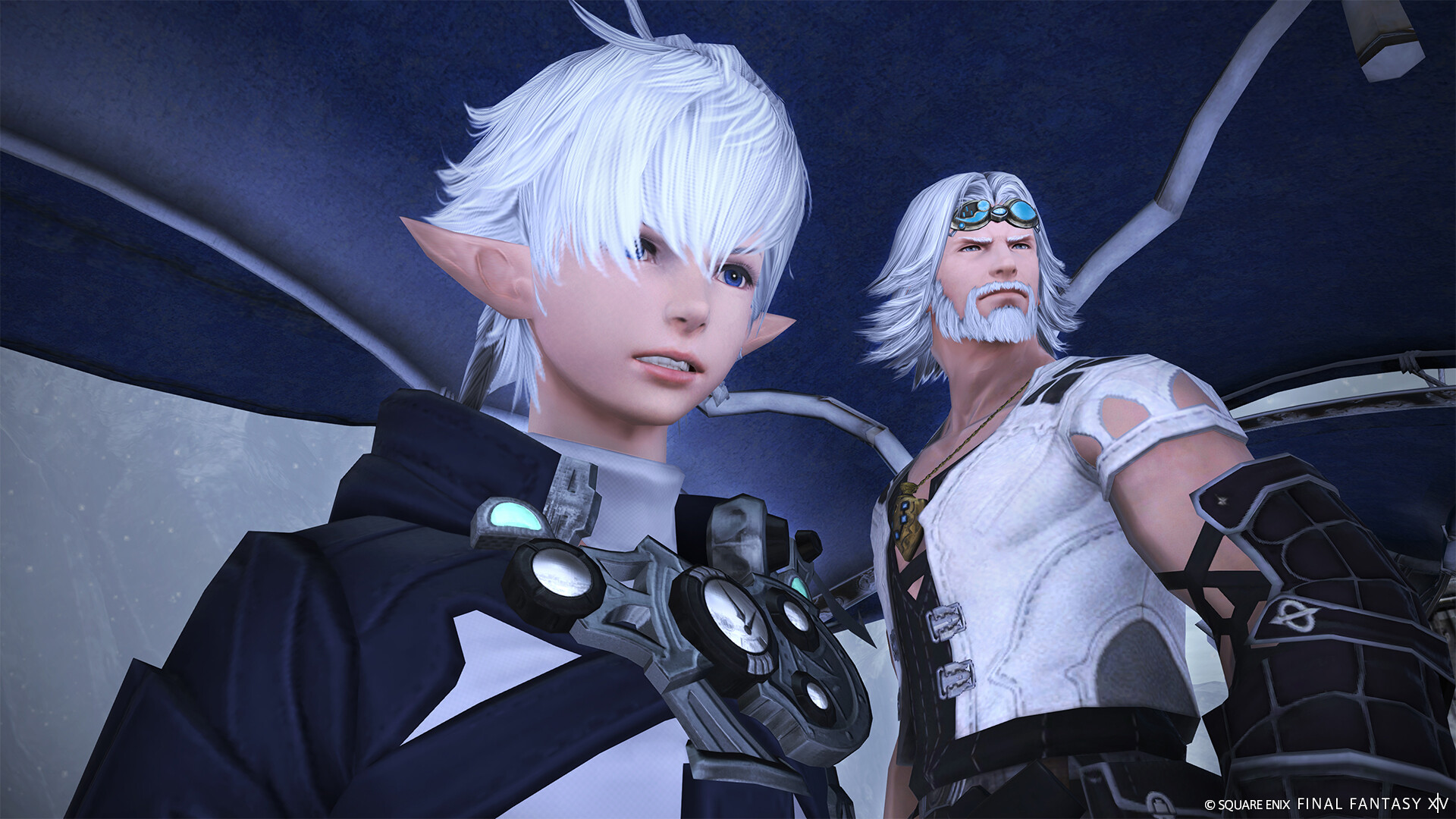
- MMO: sales of ¥25.7 billion, up 29%, on higher Final Fantasy XIV activity after the announcement of its Evercold expansion.
- Smartphone games: sales of ¥36.3 billion, up 25%, with operating income up 52%.
Square Enix raised its full-year forecast to ¥310 billion in sales (from ¥298 billion) and ¥59 billion in operating income (from ¥49 billion).
Capcom: still the industry's favourite
Capcom has the longest winning streak in the business: more than a decade of consecutive operating profit growth, and the fiscal year to March 2026 set new records for both sales and profit.
The first half kept the run going. Sales rose 49% to ¥120.9 billion, operating profit 54.5% to ¥60.8 billion, and Capcom sold 36.86 million games, up from 23.85 million. PRAGMATA sold more than 2.7 million units, Onimusha: Way of the Sword more than 1.7 million, and Resident Evil Requiem passed 8 million in total.
The game business did the heavy lifting. Capcom's Digital Contents segment grew sales by 70.8% to ¥85.1 billion and operating profit by 66.7% to ¥52.3 billion. PRAGMATA, a sci-fi action game first shown back in 2020, finally launched in April 2026, and Onimusha: Way of the Sword followed on September 3. Even Capcom's arcades grew: the Arcade Operations business, which runs its game centres in Japan, raised sales by 26%.
What Capcom did not do is raise its forecast. It kept its full-year targets of ¥210 billion in sales and ¥83 billion in operating profit, which would mean a quieter second half. Capcom says it is on track. (Our Capcom story has the full breakdown.)

Sega: a quieter half
Sega Sammy's half was mixed. Group sales rose 5.7% to ¥212.5 billion and operating income 42% to ¥14.2 billion, helped by its pachinko and pachislot machines. But the consumer games segment, which makes Sega's console and PC games, fell 9.7% to ¥90.3 billion in sales, and its operating income dropped 83.5% to ¥1.6 billion.
That sounds alarming, but Sega says the half still beat its expectations, apart from free-to-play games, which came in slightly below plan. Catalogue sales were solid, and DLC and subscription revenue exceeded expectations. Sega's European studios also matter more than many fans realise: Football Manager, made by Sports Interactive in London, is one of the most reliable autumn earners in PC gaming. The real test is the second half, which brings Football Manager 27, Stranger than Heaven and Persona 4 Revival. Sega kept its full-year games forecast of ¥246.0 billion in sales and ¥30.0 billion in operating income.
By the numbers
- +75.1%: Konami Digital Entertainment business profit
- +160%: Square Enix HD games operating income
- +54.5%: Capcom operating profit
- 36.86 million: games sold by Capcom in six months
- ¥200 billion: Konami's new full-year business profit forecast, up from ¥150 billion
- −83.5%: Sega's consumer games operating income, before its biggest releases
Why Japan is winning
Three habits explain most of the gap between Japan's publishers and the Western companies cutting jobs this year.
1. The back catalogue is a business. Capcom sold 32.18 million catalogue units in six months, more than the total it sold a year earlier. Square Enix and Sega both credit catalogue sales. Old games cost little to keep selling, so every extra copy is highly profitable.
2. Every platform, every time. Final Fantasy VII Rebirth on Switch 2 and Xbox, Capcom games on Steam on day one, Konami remasters on everything: the Japanese publishers have stopped treating exclusivity as a virtue.
3. Fewer, cheaper bets. None of these companies has staked its future on a single giant live-service game. Their hits are mostly premium games with a clear end, plus a few long-running services such as eFootball and Final Fantasy XIV.
There is also a currency effect: a weaker yen makes overseas sales look bigger when they are converted back. But currency alone cannot explain a 75% jump in profit. The deeper reason is discipline: these companies grew by selling more of what they already make, not by hiring for one enormous gamble.
What to watch
- Sega's autumn. Football Manager 27, Stranger than Heaven and Persona 4 Revival will decide whether its year recovers.
- Square Enix's Evercold. The next Final Fantasy XIV expansion is already lifting MMO revenue before release.
- Konami's next wave. Rev. NOiR and Rhapsody in Scarlet are still to come in a year that is already a record.
- GTA VI's shadow. Grand Theft Auto VI arrives on November 19, and every publisher with a holiday release will be competing for the same players' time.