From a Dorm Room to Teyvat: How HoYoverse Rewrote Mobile Gaming
Three computer science students, a slogan about otaku saving the world, and a 2020 launch that changed what a phone game could look like. The full HoYoverse story, from FlyMe2theMoon to Zenless Zone Zero.
In September 2011, a tiny team of Shanghai students put a game called FlyMe2theMoon on Apple's App Store. It was a simple little arcade game about helping a girl reach the moon. Nine years later, to the day, the same group launched Genshin Impact, an open-world adventure that ran on phones, PCs and PlayStation and became one of the most talked-about launches of the decade.
The company behind both is miHoYo, known outside China since 14 February 2022 as HoYoverse. Its story is the clearest example of how Chinese studios went from copying trends to setting them, and it explains a lot about the games on your phone today.
Three students and a slogan
miHoYo was started by three computer science students at Shanghai Jiao Tong University: Cai Haoyu, Liu Wei and Luo Yuhao. The studio first came together in January 2011, and the company was formally registered on 13 February 2012.
From the start the founders were open about who they were making games for: fans of Japanese anime and manga, like themselves. Their slogan, which still appears across the company's branding, is "Tech Otakus Save the World." At the time it sounded like a student joke. Today it reads more like a business plan.
The Honkai years
The game that built the company was a series called Honkai (Houkai in Japanese romanisation). It started with Zombiegal Kawaii in 2012, a small mobile shooter with an anime heroine fighting zombies. Guns Girl Z followed in 2013 and 2014, a side-scrolling action game that grew a loyal fan base in China.
The breakthrough was Honkai Impact 3rd, released in China in October 2016. It was a fast 3D action game with cel-shaded characters that looked closer to a console title than most phone games of its era. It proved two things that would matter later: miHoYo could build high-end 3D technology in-house, and players would pay for characters they loved over years, not months.
Between big releases the studio also experimented. Tears of Themis (2020) was a detective romance game, a genre few expected miHoYo to touch.
Genshin Impact changes the rules
When Genshin Impact was revealed in 2019, many players compared its look to Nintendo's The Legend of Zelda: Breath of the Wild. The comparison got loud: at ChinaJoy 2019 in Shanghai, an angry fan smashed a PS4 at the show in protest. miHoYo kept working.
What arrived on 28 September 2020 was something new: a full open-world action RPG, free to play, with the same save shared across phones, PC and PlayStation. You could climb a mountain on your PC at home and keep playing the same character on the bus. Players unlocked characters through gacha "wishes", a lottery-style system we explain in our pity systems guide.
The results surprised the whole industry. Genshin Impact won Google Play's Best Game award for 2020, an Apple Design Award in 2021 and Best Mobile Game at The Game Awards 2021. It earned back its roughly $100 million development and marketing budget within about two weeks, and analytics firms estimated that it passed $1 billion on mobile by the end of March 2021, a pace few games have matched. It later arrived on PlayStation 5 in 2021 and Xbox Series X|S in November 2024.
One studio, many worlds
Genshin's success gave miHoYo the money and confidence to run several huge games at once, something very few studios anywhere can do.
- Honkai: Star Rail launched on 26 April 2023: a turn-based space-fantasy RPG set in the wider Honkai universe. It won Best Mobile Game at The Game Awards 2023, the studio's second win in that category.
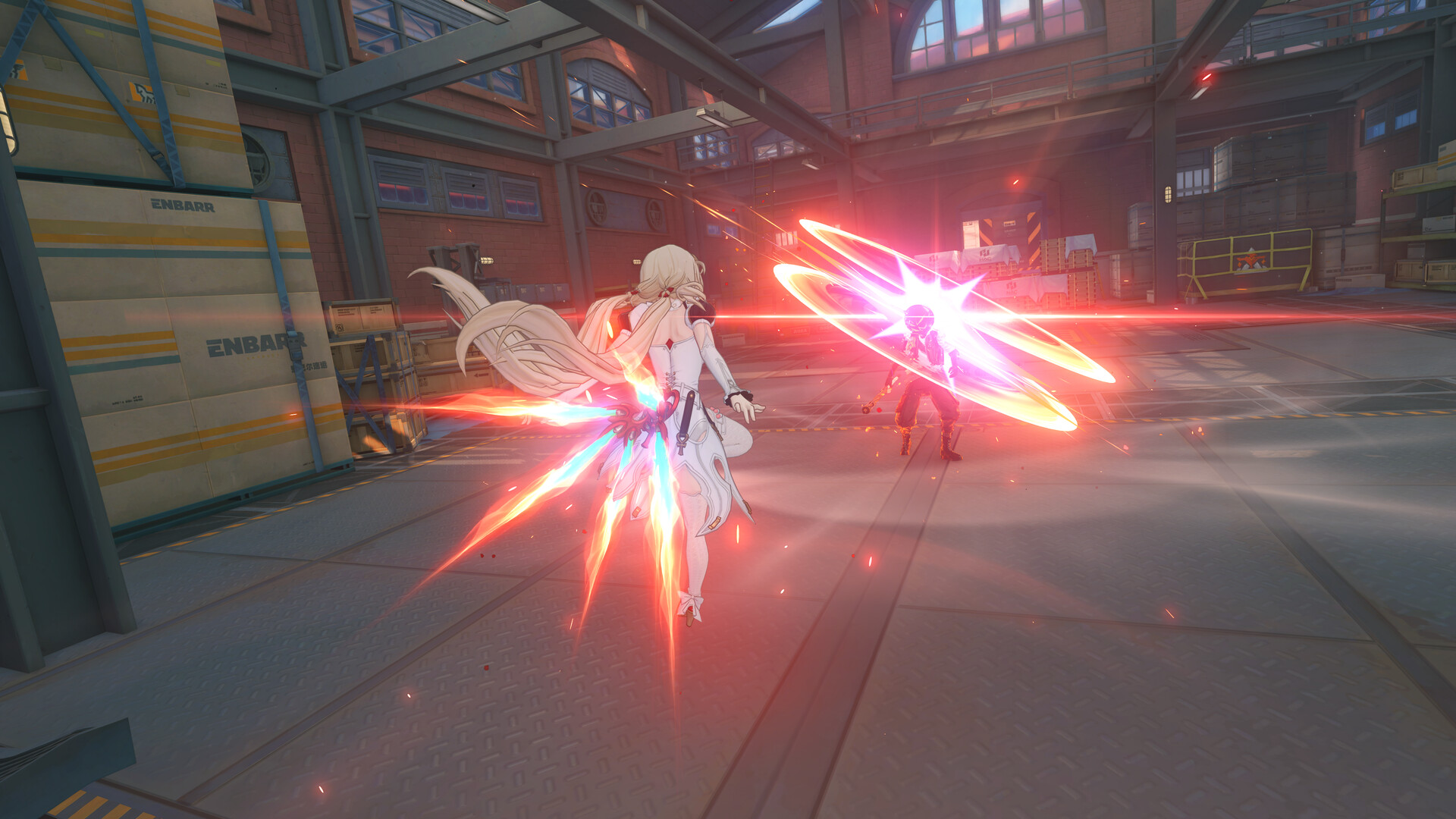
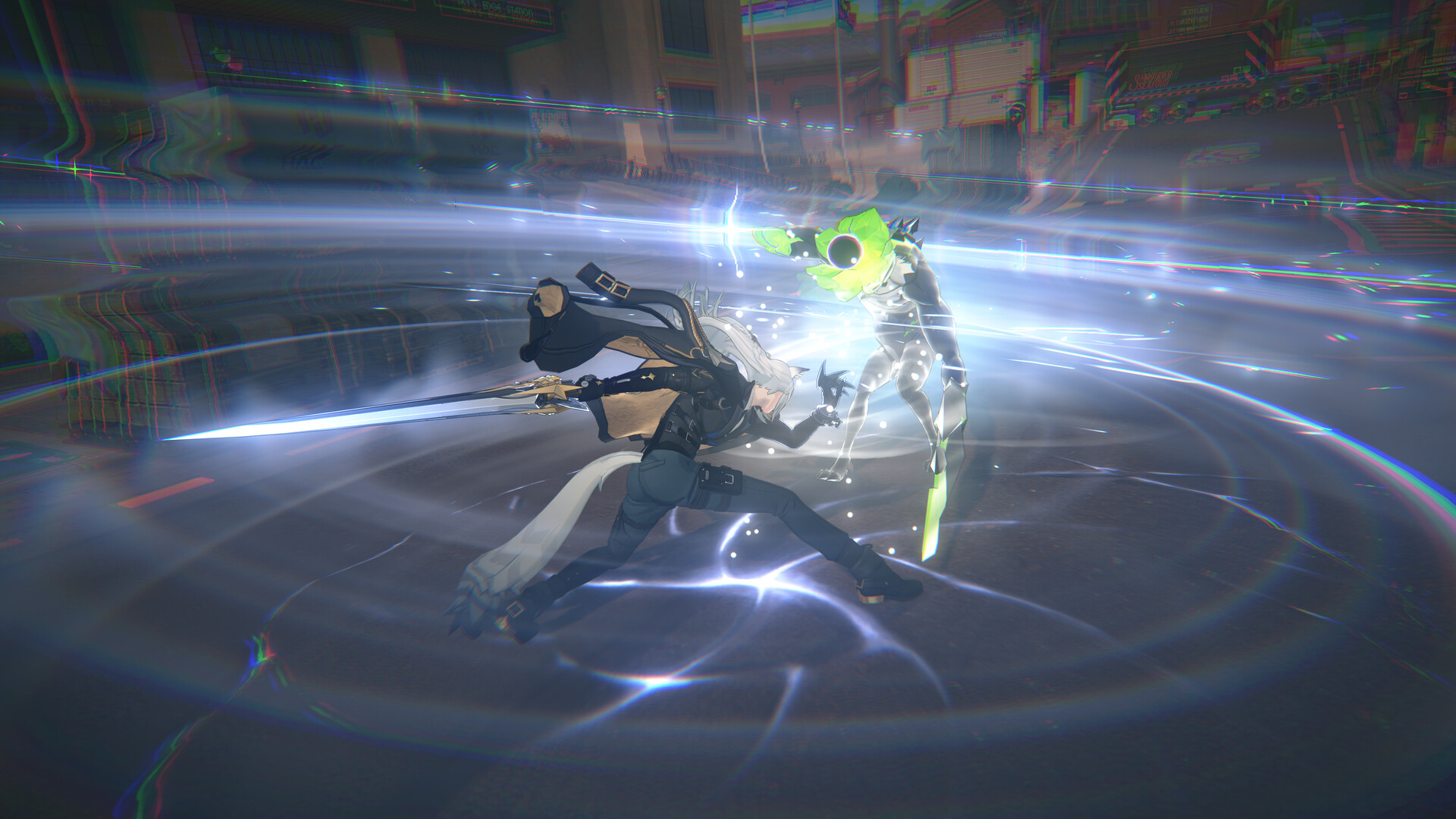
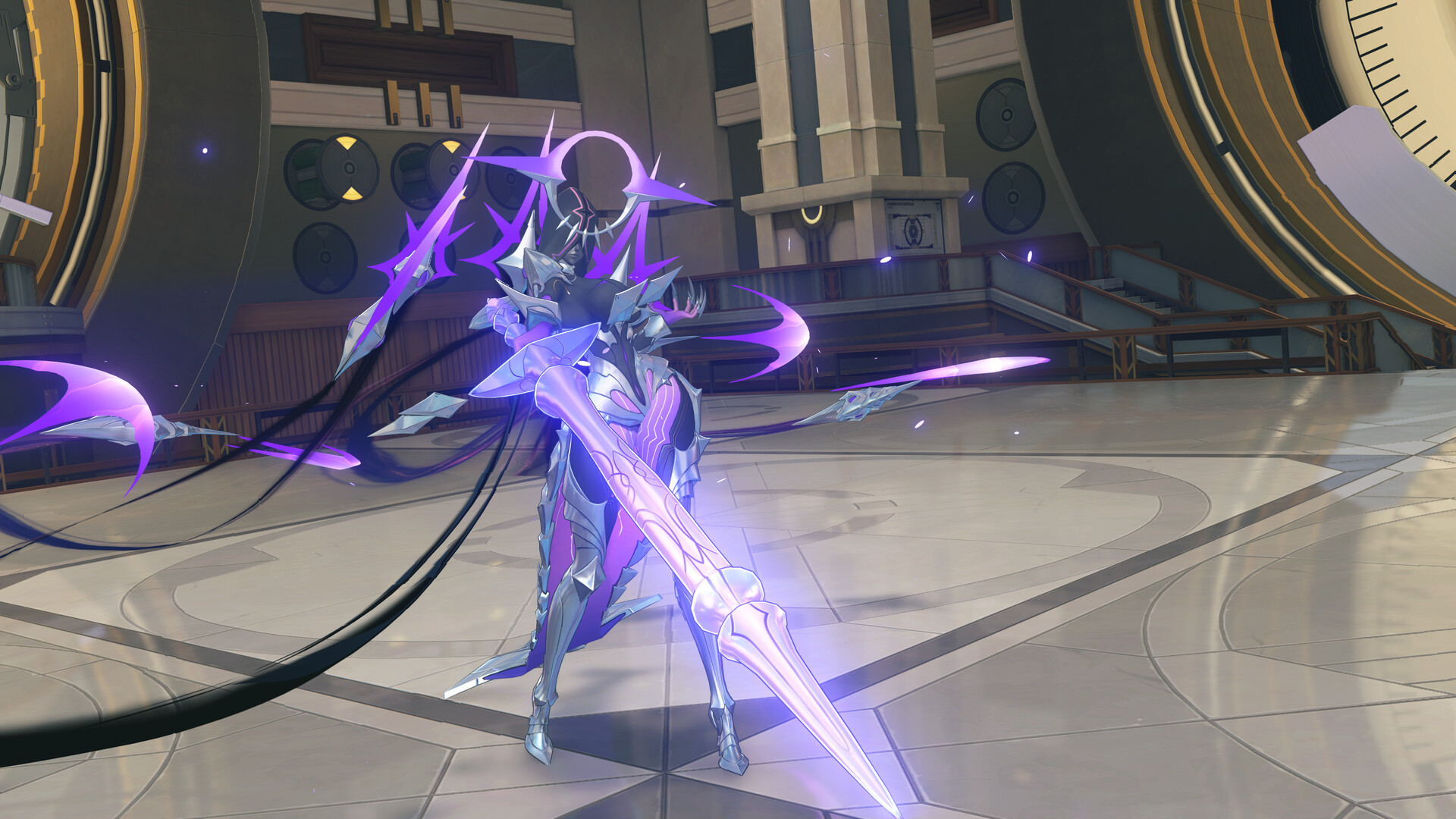
- Zenless Zone Zero launched on 4 July 2024 for PC, mobile and PS5: a stylish urban action game set in the city of New Eridu.
Each game runs its own six-week update schedule with new story chapters, characters and events, and each keeps a separate team, art style and fan culture. Many players follow all three.
The company also built a global structure around them. The HoYoverse brand is run from Singapore, and the company has offices across Asia, North America and Europe, including Tokyo, Seoul, Los Angeles and Montreal. HoYoLAB, its community app, connects all of its games.
HoYoverse treats its worlds like entertainment franchises. Each major update arrives with animated shorts, character trailers and music videos, and its official YouTube channels pull millions of views per release. The studio's in-house music team, HOYO-MiX, puts out full soundtrack albums, and orchestral concert tours have played Genshin music to packed halls in Asia, Europe and the Americas.
That attention to presentation is part of the business model. A player who has watched a character's trailer, heard her theme in a concert hall and seen her cosplayed at a convention is far more likely to spend on her banner. HoYoverse did not invent this approach, which owes a lot to Japanese anime "media mix" strategy, but it runs it at a global scale no one else has matched.
The business of wishes
HoYoverse games are free to download, so the money comes from players who buy currency for wishes. That has brought scrutiny. In January 2025 the US Federal Trade Commission announced that HoYoverse's operator would pay $20 million and stop selling loot boxes to US teens under 16 without parental consent, while disclosing odds and the real-money cost of its virtual currencies. We cover that case and the wider rules in our gacha law explainer.
Its games also give players clear guarantees. In Genshin Impact, for example, a featured five-star character is guaranteed within a set number of wishes, and that kind of "pity" counter has become the industry standard that rivals copy.
Why it matters
Before Genshin Impact, the common view in the West was that phone games were small, cheap and short-lived. HoYoverse showed that a mobile-first game could have console production values, a world people explore for years, and a global fan base that cosplays its characters at every convention from Busan to Los Angeles.
It also changed competition at home and abroad. Rivals such as Kuro Games with Wuthering Waves (our story), Infold with Infinity Nikki (our story) and many Korean studios now build "anime open-world" games for phones, PC and console at the same time. The bar for what a free-to-play game must look like went up for everyone.
By the numbers
- 2012: miHoYo formally founded (team first formed in January 2011)
- 3: co-founders, all Shanghai Jiao Tong University students
- 28 September 2020: Genshin Impact's worldwide launch
- 2: Best Mobile Game wins at The Game Awards (2021 and 2023)
- $20 million: the 2025 FTC settlement over loot box sales to teens
- 4 July 2024: Zenless Zone Zero's launch
What to watch
HoYoverse has several new projects in the pipeline, including Petit Planet (pencilled in for December 2026), Honkai: Nexus Anima and Varsapura, the last two without firm release dates as we write. The bigger question is creative: can a company that has already redefined one genre surprise players again, or will its next games feel like more of the same? With three hits running at once, HoYoverse can afford to take a risk. Our pick for newcomers: start with Honkai: Star Rail if you like story and strategy, and Genshin Impact if you want a world to wander.