Kuaishou Gaming's Upset and the Giant Behind It: Honor of Kings Esports Explained
A team backed by a Chinese short-video app won the Honor of Kings World Cup in Riyadh. Behind that upset sits the world's most-played MOBA, a decade-old pro league and a Korean connection most players have forgotten.
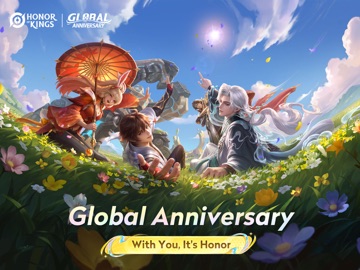
If you want to understand how big Honor of Kings is, start with one number. In 2020, Tencent said the game had passed 100 million daily active users. That is roughly the population of Vietnam logging in every single day, mostly in China, for a five-versus-five battle on a phone.
That scale makes its esports scene one of the richest in the world, and this summer produced one of its best stories. In August 2026, at the Esports World Cup in Riyadh, Kuaishou Gaming (KSG), the team backed by Chinese short-video platform Kuaishou, defied the odds to beat AG.AL in the final of the Honor of Kings World Cup. The EWC's own write-up called it a team that "defied odds". Here is the world that win came from.
The game: China's national MOBA
Honor of Kings was developed by TiMi Studio Group, part of Tencent, and launched in China in November 2015. It took the battle-arena formula popularised by PC games such as League of Legends, which Tencent also owns through Riot Games, and rebuilt it for phones: shorter matches, simpler controls, and a roster of heroes drawn largely from Chinese history and legend.
For years the Chinese version stayed in China. A separate international adaptation, Arena of Valor, was released abroad from 2016. The full Honor of Kings only launched worldwide, under Tencent's Level Infinite label, in June 2024.
The KPL: a decade of pro play
The heart of Honor of Kings esports is the King Pro League (KPL), which started in 2016. Run by Tencent, it uses a franchise model with teams tied to Chinese cities, a regular season, playoffs and big annual finals that fill stadiums. Tencent also runs development leagues beneath it, giving young players a clear path to the top.
Because the publisher runs everything, the KPL is stable and well funded. Teams are often backed by large companies, from traditional esports organisations to tech firms such as Kuaishou. The flip side is that the scene has been overwhelmingly Chinese, which is why international events like the Honor of Kings World Cup matter so much to the game's global ambitions.
The upset in Riyadh
The Esports World Cup has featured Honor of Kings since its first edition in 2024, giving Tencent a stage to show the game to audiences outside China. In 2026, the final pitted KSG against AG.AL, and it was KSG, cast as the outsider in the EWC's coverage, who lifted the trophy.
For Kuaishou, it was a statement. The company is best known as one of China's biggest short-video apps, a rival to ByteDance's Douyin. Owning a world-champion team in China's most popular mobile game is a powerful advertisement for its gaming and streaming ambitions.
What to watch next
- KPL's next season: whether KSG can turn an international upset into domestic dominance.
- Global growth: whether non-Chinese teams can close the gap, now that the global version has been out for more than two years.
- Esports World Cup 2027: Honor of Kings is expected back in Riyadh next summer.
For the rest of this year's mobile esports story, including MLBB and PUBG Mobile, read our mobile esports feature.
Why it matters
Honor of Kings is the clearest example of a mobile game that became a national sport. Its esports scene is built like a traditional league, with franchise teams, city identities and big-money sponsors, and it runs on phones. The question for the next few years is whether Tencent can export that model to the rest of the world, or whether Honor of Kings remains China's game with a world cup on the side.