Half-Life at 28: How Two Microsoft Millionaires Made the Shooter That Built Valve
Valve's first game was late, over budget and nearly dumped by its own publisher. On November 19, 1998 it shipped anyway and changed what a PC shooter could be. Here's the full story, from a Kirkland office to Counter-Strike and Steam.
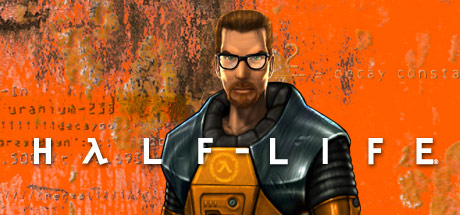
Picture a tram ride. No menu screen, no cutscene you can skip, just a scientist in an orange suit riding to work through a vast underground lab while a calm voice reads safety announcements. In 1998 that opening was so unusual that players kept waiting for the "real game" to start. It already had.
Half-Life, the first game from Valve, came out on November 19, 1998. Next week it turns 28. It was late by a full year, was nearly rebuilt from scratch and came within a whisker of being lost inside its publisher's catalogue. Instead it won more than 50 Game of the Year awards, spawned Counter-Strike and gave Valve the money and the leverage to build Steam. Few single games have shaped PC gaming so much.
Two Microsoft veterans and a study about Doom
Valve began with a resignation. Gabe Newell and Mike Harrington both left Microsoft on August 24, 1996, and set up an office in Kirkland, Washington, a few miles from their old employer. Newell had spent years on early Windows and Office projects; Harrington was a programmer who had worked on Windows NT.
Newell later told a story about why games appealed to him. A study counted roughly 20 million Windows PCs in the US, and he was struck that the most widely installed program on them wasn't Windows itself. It was Doom. If a shooter could beat an operating system, there was clearly room for a better one.
Rather than build an engine from nothing, Valve licensed id Software's Quake engine and then rebuilt it. The team added better lighting, particle effects, scripting and smarter enemy AI, and Newell estimated that about 75 percent of the code ended up written or rewritten in-house. Many of the few dozen people Valve hired came from the online modding scenes around Doom and Quake.
"Late is just for a little while"
The publisher was Sierra On-Line, which signed Valve when no one else would. The deal was tough: Sierra owned the Half-Life name and had rights to Valve's next games, while Valve received about $1 million in advance per game and a 15% royalty on sales.
The original plan was to ship for Christmas 1997. Valve didn't make it. Playtests showed a game that worked but didn't feel special, so the studio threw out a large share of its work and rebuilt the campaign. Sierra wouldn't pay for the extra year, so the founders funded it themselves; Newell even borrowed against Valve's future profits.
Newell summed up the decision in a line that is still quoted in studios today: "Late is just for a little while. Suck is forever."
The rebuild is where Half-Life found its identity. Instead of levels with an exit door, the whole game became one continuous journey through Black Mesa. Story happened around you, not in cutscenes: scientists panicked, guards cracked jokes, soldiers talked tactics before rushing your position. Science-fiction novelist Marc Laidlaw wrote the script, and Michael Shapiro gave voice to the unsettling G-Man who watches Gordon Freeman from a distance.
A slow-burn launch and a near disaster
Half-Life sold about 200,000 copies in the US before Christmas 1998. Reviews were glowing; Computer Gaming World's Jeff Green called it "one of the best games of any year". In 2008, for its 10th anniversary, Guinness World Records honoured it as a best-selling shooter, with roughly 10 million copies sold across all platforms.
But the success almost didn't stick. According to Monica Harrington, Valve's first marketing strategist, Sierra planned to step back from promoting the game in early 1999, an approach she called "Launch and Leave". Valve pushed back hard and threatened to criticise its publisher in public. Sierra's answer was a Game of the Year box, and sales kept climbing.
That fight shaped everything that followed. Valve's team prepared an ultimatum for Sierra: renegotiate, or Valve would stop making games and move into other kinds of software. To make the threat believable, Harrington lined up an offer from Amazon to build an online entertainment platform together, an idea that, in hindsight, looks a lot like an early sketch of a digital store. Sierra didn't call the bluff. In 2001 the contract was amended, and Valve won control of the Half-Life name and the online distribution rights to its own games. Those rights are the foundation Steam was built on.
The mod that ate the world
Half-Life shipped with tools, and modders used them. On June 19, 1999, Minh "Gooseman" Le released the first beta of Counter-Strike, a team shooter about terrorists and counter-terrorists, later joined by Jess Cliffe on maps. Valve bought the project and hired both creators before its first boxed release in 2000. Two decades later Counter-Strike 2 is still one of the most-played games on Steam (how a mod became an empire).
Other Half-Life mods became careers too, and the lesson stuck at Valve: give players tools and some of them will build your next hit. It's the same idea behind today's Steam Workshop (our modding culture feature).
Why it still matters
Half-Life's influence is everywhere once you notice it. Shooters that tell their story without stopping the action owe it a debt. So does almost any game that treats its world as one connected place. And the business side matters as much as the design: without the Sierra fight there is no Valve-owned Half-Life, and without those rights there may be no Steam as we know it.
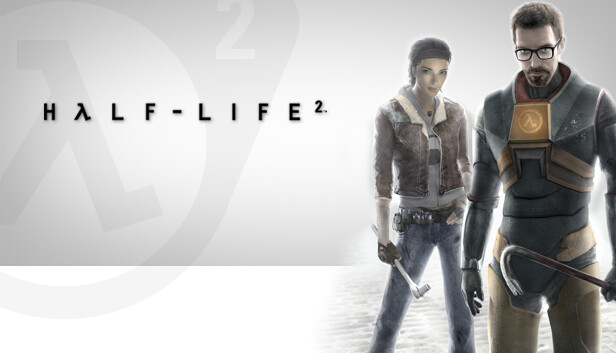
Half-Life 2 followed on November 16, 2004, and the series went quiet after its episodes. Fans have been joking about "Half-Life 3" ever since. The original, meanwhile, is still on sale for $9.99 on Steam and still runs on modern PCs.
By the numbers
- August 24, 1996: Newell and Harrington leave Microsoft to start Valve
- ~75%: share of the licensed Quake engine Valve says it rewrote
- 1 year: the delay from the original Christmas 1997 target
- November 19, 1998: Half-Life release date
- 200,000: US copies sold before Christmas 1998
- 50+: Game of the Year awards in its first year
- ~10 million: copies sold by its 10th anniversary
- June 19, 1999: first Counter-Strike beta
What to play next
Half-Life itself is the obvious start, and the 25th-anniversary version adds widescreen options, gamepad support and Steam Deck controls. Follow it with Half-Life 2 to see how Valve built on the formula with physics puzzles and a living city. If you want the multiplayer side of the story, Counter-Strike 2 is free to play and still built on the bones of a 1999 mod. And if you're curious about PC gaming on Linux and handhelds, Half-Life runs well there too (our Linux explainer).