Adults Only: When America's Game Raters Put a Crypto Card Game in the 18+ Box
In December 2023 the ESRB gave Gods Unchained an Adults Only rating over its crypto-based gambling elements, and a major PC store briefly pulled it. How rating boards on both sides of the Pacific are reaching for the same tool.
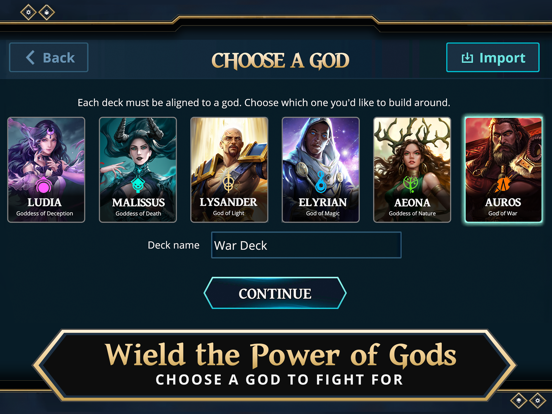
Age ratings are supposed to be the dullest part of a game's launch: a letter in a box, a short list of content descriptors. In December 2023, they became a front line in the argument over crypto games.
The Entertainment Software Rating Board (ESRB), which rates games in North America, gave Gods Unchained, the blockchain trading card game from Sydney-based Immutable, an Adults Only 18+ rating because of its cryptocurrency-based gambling elements. The Epic Games Store temporarily removed the game, then reinstated it after updating its content policy. It was a small episode with a big signal: rating boards, not just financial regulators, now have a say in how blockchain games reach players.
The game in the middle
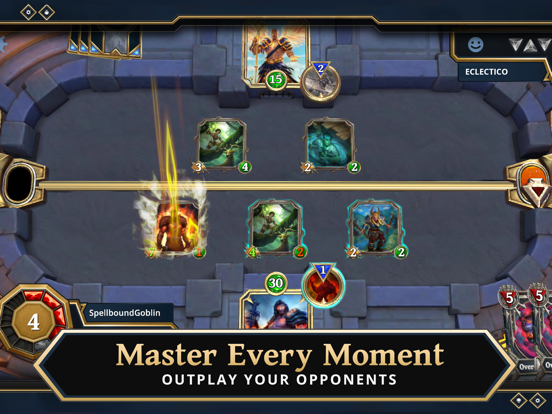
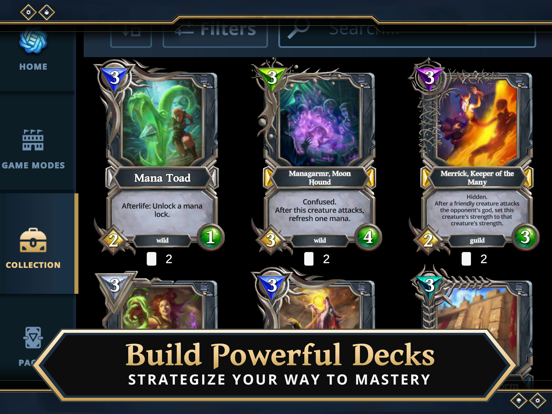
Gods Unchained is a collectible card game in which every card is an NFT that players can own and trade. Its pre-sale began in July 2018, when it was marketed as a blockchain-based e-sport, and it launched in 2019 on Android, iOS, Windows and macOS.
Immutable itself started life in 2018 as Fuel Games, founded by Robbie Ferguson, James Ferguson and Alex Connolly. Its first release that February was a blockchain game called Etherbots, and it closed a $2.4 million seed round that July. The company later became one of the biggest names in blockchain gaming, raising $200 million in a March 2022 round led by Temasek that valued it at $3.5 billion.
Why "Adults Only" matters
In North America, an AO rating is about more than labelling. Major console platforms and many retailers will not carry AO-rated games, so the rating can cut a game off from large parts of the market. For a card game with cartoon fantasy art, it was a striking result, and it was driven not by violence or sexual content but by the crypto economy.
Epic's reaction showed how quickly a rating can ripple out. The store pulled the game, then brought it back after changing its own content rules. Stores, in other words, had to decide whether a rating board's view of crypto should decide what they sell.
The Korean parallel
Korea's Game Rating and Administration Committee (GRAC) reached for the same tool much earlier, and more bluntly. Instead of an adults-only label, GRAC cancelled or refused ratings for play-to-earn games, which in Korea means they cannot legally be distributed at all. In January 2023, Seoul courts backed GRAC in two cases, treating tradable NFTs and tokens as gambling-style prizes (the court cases).
The approaches differ, but the logic overlaps. Both boards looked at a game where players can buy, earn and sell items for crypto, and saw a gambling risk. The ESRB responded by restricting the audience. GRAC responded by closing the door.
Immutable's turn
The rating did not end Gods Unchained, and Immutable kept building. But the company's direction has shifted. In August 2026 it launched Immutable Audience, a platform for promoting Steam games before release, which the company says does not use blockchain. Steam itself has banned blockchain games since October 2021.
Why it matters
For players, the lesson is that a game's crypto features can change who is allowed to play it, regardless of how harmless the art looks. For studios, it means token design decisions now have to be checked against rating rules as well as financial law.
WGC's take: Rating boards were never designed to judge tokenomics, but they are increasingly being asked to. The ESRB's AO rating and GRAC's refusals are two answers to the same question: is a game with a cash-out economy still a game for everyone? Expect more boards to be asked it (Korea's approach in full).