The Engine Wars of 2026: Unreal Rules the Top, Unity Turns a Profit, Godot Grows Up
Three years after Unity's runtime fee blew up developer trust, the business of game engines has been redrawn. Who makes money from the tools behind your games, who uses them, and what Unreal Engine 6 changes next.
On September 12, 2023, Unity told developers it would start charging a fee every time a game made with its engine was installed. Within days, studios that had used Unity for a decade were posting angry statements, some threatened to pull their games, and the company that powered a huge share of the world's mobile and indie games had a trust problem money could not fix quickly.
Three years later, the engine business looks very different. In November 2026 Unity reported its first GAAP profit since its 2020 stock market listing, but most of its growth now comes from advertising, not from the engine. Epic Games has set Unreal Engine 6 for an early access release around the end of 2027. And Godot, the free open-source engine that many developers ran to in 2023, was the most-used engine at the 2026 GMTK Game Jam, with 47% of more than 10,000 entries.
Here is how the three biggest names in engines make money, and why it matters for the games you play.
The week Unity lost the room
The runtime fee was designed to make Unity's engine revenue grow with a game's success. Above certain revenue and install thresholds, developers would pay a small charge per install, starting on January 1, 2024. The problem was everything else: it applied to games already on sale, developers could not easily count installs, and many feared being charged for reinstalls or charity bundles.
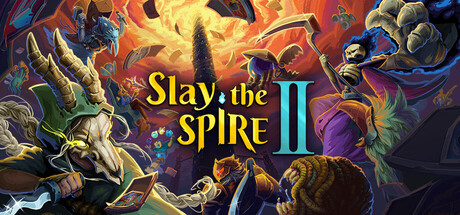
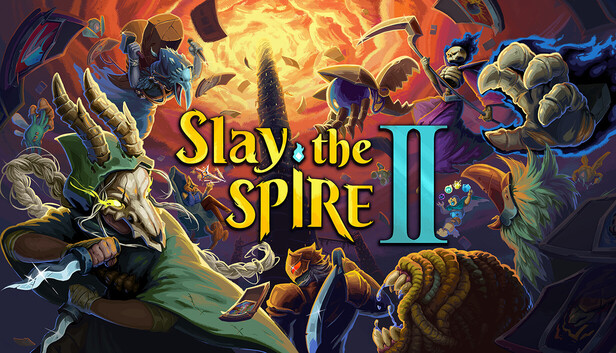
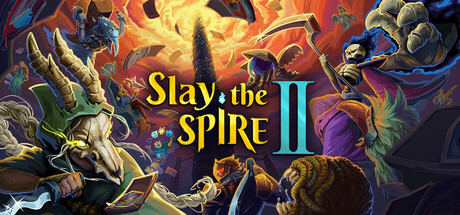
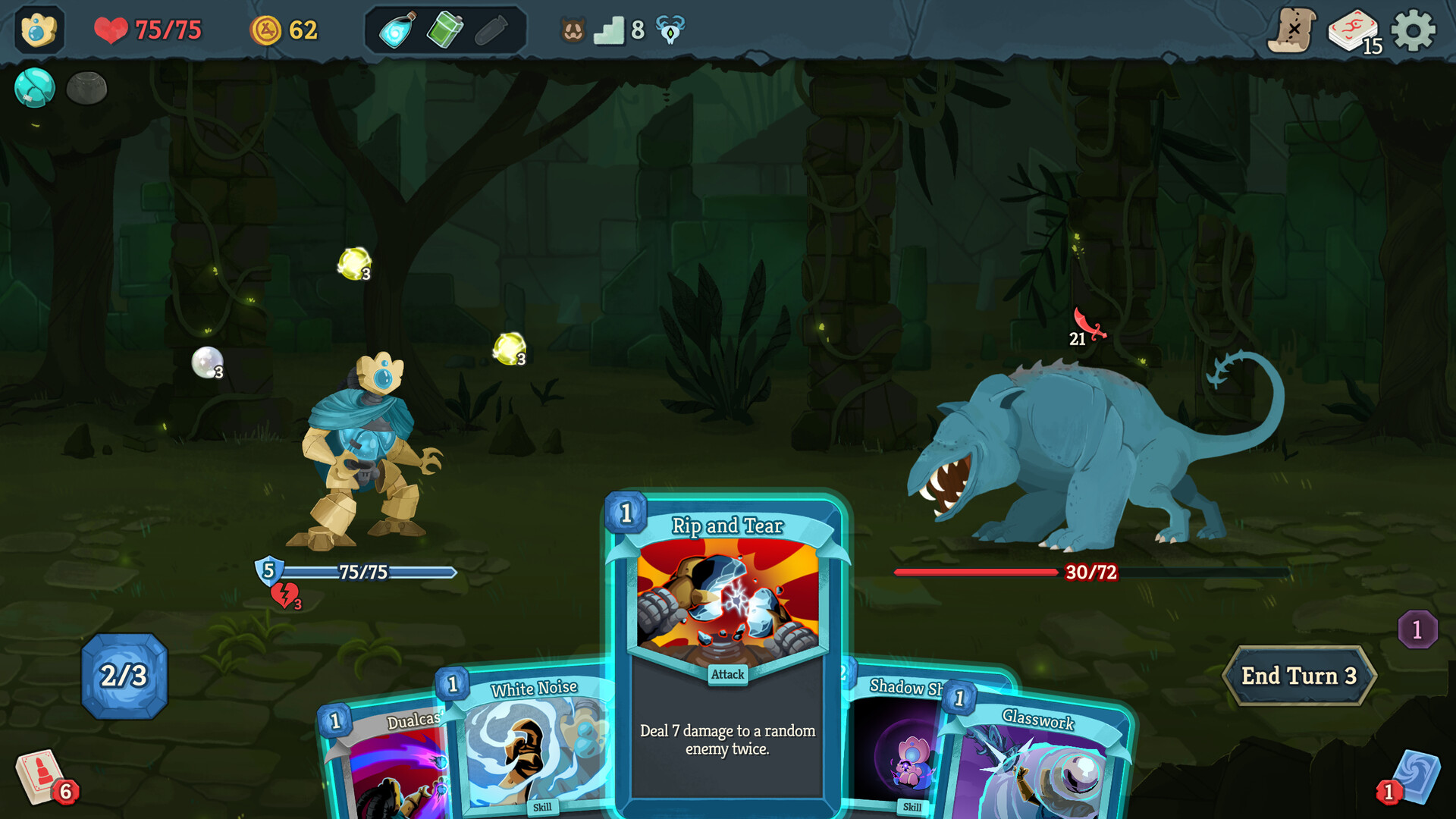
Unity revised the plan within weeks, chief executive John Riccitiello left in October 2023, and in September 2024 new chief executive Matt Bromberg cancelled the runtime fee for games completely. But the damage had been done. Some studios started new projects in other engines, and one of the most famous, Mega Crit, moved Slay the Spire 2 to Godot. That game entered early access on March 5, 2026 and sold 3 million copies in about a week.
Unreal's quiet takeover of the top end
While Unity was fighting fires, Epic's engine kept climbing. Unreal Engine's business model is simple: it is free to download, and developers pay a 5% royalty on a game's gross revenue after the first $1 million. Since January 2025, games that launch on the Epic Games Store at the same time as on other stores pay 3.5% instead, a deal Epic calls Launch Everywhere with Epic.
According to the analytics firm Video Game Insights, which studied more than 13,000 Steam games, Unreal powered 28% of Steam releases in 2024 but 31% of Steam revenue, ahead of Unity's 26% for the first time since 2018. Unity still powered the most releases, about 51%, because so many small games use it. The biggest slice of revenue, about 42%, still came from games built on studios' own engines, but that share has been falling for years.
The direction of travel is clear in the big announcements. CD Projekt is making the next Witcher in Unreal Engine 5 instead of its own REDengine. Microsoft's Halo Studios rebuilt the first Halo campaign in Unreal for Halo: Campaign Evolved, released on July 28, 2026.
Unity: a profitable company, a slower engine
Unity's results for the third quarter of 2026 tell a story in two halves. Total revenue was $622.1 million, up 32% on a year earlier, and the company made a GAAP net income of $122 million. Bromberg called it the first GAAP profitable quarter since the company's IPO.
But look at where the money came from. Grow Solutions, Unity's advertising business, brought in $457 million, up 44%, driven by its AI-based ad platform Vector, whose revenue more than doubled year on year. Create Solutions, which includes the engine subscriptions developers pay for, brought in $165 million, up just 8%.
In other words, Unity is increasingly an ad technology company that also makes an engine. That is not necessarily bad news for developers: a profitable Unity has less reason to invent new fees. Unity still says more than 70% of the top 1,000 mobile games use its engine. But it does mean the engine is no longer the company's main growth story.
Godot, the free engine that grew up
Godot has no license fee, no royalty and no sales team. It is released under the permissive MIT license, and its development is funded by donations to the non-profit Godot Foundation and by companies that sponsor it. In February 2026, Buckshot Roulette developer Mike Klubnika became one of its top-tier corporate sponsors.
The numbers have grown fast. Godot's team says its community has roughly doubled in a couple of years. SteamDB data shows a 50% jump in Godot games released on Steam from 2024 to 2025. And in August 2026, W4 Games, a company founded by Godot veterans including co-creator Juan Linietsky, raised $18 million in a round led by Tencent, to sell commercial tools and support to studios that want Godot with a safety net.
Godot is still small at the top end. Its 3D tools trail Unreal's, and console support usually goes through third parties. But for small teams, a successful hit like Slay the Spire 2 proves the engine can carry a commercial game with millions of players.
Unreal Engine 6 and the Fortnite effect
At its State of Unreal event in Chicago in June 2026, Epic laid out its next step. Unreal Engine 6 will merge Unreal Engine 5 with UEFN, the simpler editor that creators use to make islands inside Fortnite. Tim Sweeney summed it up as UE5 plus UEFN, "plus some more cool stuff on the way."
The bigger change is under the hood. Gameplay programming will move towards Verse, Epic's own language, with C++ still underneath, and a new framework called Scene Graph will replace UE5's gameplay system. Epic also shipped an official plugin in Unreal Engine 5.8 that lets AI models work directly inside the editor, and released its MetaHuman digital human tools under the MIT license.
For developers, the pitch is "build once, ship everywhere," including inside Fortnite. For Epic, it ties its engine and its biggest game more closely together than ever.
By the numbers
- 47%: share of more than 10,000 GMTK Game Jam 2026 entries made in Godot
- 51% / 28% / 5%: Unity, Unreal and Godot shares of 2024 Steam releases (Video Game Insights)
- 31% vs 26%: Unreal and Unity shares of 2024 Steam revenue
- 5%: Unreal's standard royalty above $1 million in gross revenue (3.5% with a same-day Epic Games Store launch)
- $622.1 million: Unity's Q3 2026 revenue, of which $165 million came from Create
- $18 million: W4 Games' Tencent-led funding round for Godot services
Why it matters, and what to watch
Engines are the invisible business behind every game. When an engine maker changes its prices, small studios feel it first, and that shapes which games get made. The lesson of 2023 is that developers will move when they stop trusting their tools, and the winners were Unreal at the top end and Godot at the bottom.
WGC's take: the healthiest outcome is the one we have now, with three strong options that make money in very different ways. Epic earns from successful games, Unity from ads, and Godot from people who want it to exist. As long as none of them has the whole market, none of them can easily repeat Unity's mistake.
What to watch next: Unreal Engine 6 early access, expected around the end of 2027, will show whether developers accept Verse. Unity's fourth-quarter results will show whether its ad engine keeps growing. And watch the Steam release charts: if more hits like Slay the Spire 2 appear, Godot's share will keep rising. Read more on how big studios are leaving their own technology in our story on the switch to Unreal Engine 5.