Fortnite's Long Way Home: The Mobile Game That Was Banned for Five Years
It launched on iPhone in 2018, vanished from both big app stores in 2020, sneaked back through browsers and Europe, and only came home to Google Play worldwide in 2026. The strangest journey of any mobile hit, and how to play it on your phone today.
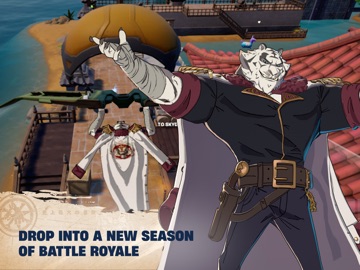
Most mobile games fight to get into the charts. Fortnite spent five years fighting to get back into the stores. Between August 2020 and May 2025, one of the most popular games in the world could not be downloaded from Apple's App Store, and for most of that time it was missing from Google Play as well.
Today the exile is over. Fortnite returned to the US App Store on 20 May 2025, has been available on iPhone in the EU through the Epic Games Store since August 2024, and was cleared to return to Google Play worldwide in March 2026 after Epic's settlement with Google. Here is how a game that defined a generation of phones ended up as an outlaw, and how it came home.
The 2018 launch: a console game in your pocket
Fortnite's battle-royale mode exploded in late 2017, and in March 2018 Epic brought it to iPhone, starting with an invite-only test. It was a remarkable feat: the same island, the same matches and cross-play with PC and console players, on a phone. The game quickly became one of the highest-earning apps on the App Store.
Android was different. When Fortnite arrived there in August 2018, Epic refused to use Google Play and offered the game through its own installer, launching first as a timed exclusive for Samsung Galaxy phones. Epic argued that the 30% store cut was too high for a service it did not need. It finally put Fortnite on Google Play in April 2020, saying Android's warnings and restrictions made distributing the game outside the store too difficult.
13 August 2020: the day it vanished
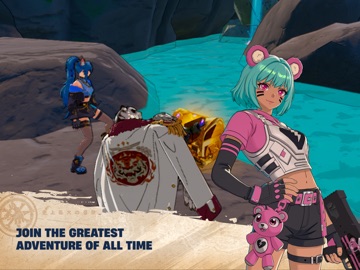
On 13 August 2020, Epic added a direct payment option to Fortnite that offered V-Bucks for about 20% less. Apple and Google removed the game within hours, and Epic filed antitrust lawsuits against both the same day, along with an in-game parody of Apple's "1984" advert.
Existing iPhone players could keep playing the version they had installed, but they could not get new seasons. When Fortnite's next season launched in late August 2020, iOS players were left behind, and over time the old iOS version fell further and further out of step with the rest of the game. On Android, players could still install it from Epic's website or the Samsung Galaxy Store.
The way back: Europe, the US, and Android
The return happened in three steps, each caused by a regulator or a court.
Europe, August 2024. The EU's Digital Markets Act forced Apple to allow alternative app stores, and on 16 August 2024 the Epic Games Store launched on iOS in the EU with Fortnite on board. It was also available through the AltStore PAL marketplace (see our DMA explainer).
The United States, May 2025. After a federal judge found Apple in contempt on 30 April 2025 for its handling of the anti-steering order, Epic resubmitted Fortnite. It returned to the US App Store on 20 May 2025 and rose to the top of the free charts.
Google Play, March 2026. After losing at trial and on appeal, Google settled with Epic on 4 March 2026, cutting its standard fee and opening Android to rival stores. Fortnite was cleared to return to Google Play worldwide within weeks (see our Epic v. Google story).
How to play Fortnite on a phone today
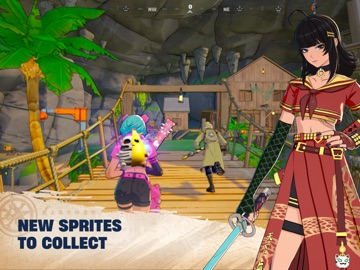
- iPhone in the US: download it from the App Store.
- iPhone in the EU: install the Epic Games Store, or use AltStore PAL.
- Android: Google Play, the Epic Games Store app or the Samsung Galaxy Store.
- Anywhere else, or on a tablet: cloud streaming through services such as Xbox Cloud Gaming or GeForce Now remains an option.
Fortnite is free to play on every platform, and your account, skins and V-Bucks carry across them all.
Why it matters
Fortnite's exile turned a video game into a test case for the entire app economy. The game itself paid a price: five years of missing mobile players is a long time in a live-service game. But the cases it triggered changed the rules for everyone, from web shops in US mobile games to lower fees on Android. Few mobile games have ever been banned on purpose. None has changed more by coming back.