Mortal Kombat, Night Trap and Congress: How Game Ratings Were Born
In December 1993, US senators held up video games as a danger to children. Less than a year later, the industry had its own rating system. The story of the ESRB, from fatalities to loot box labels.

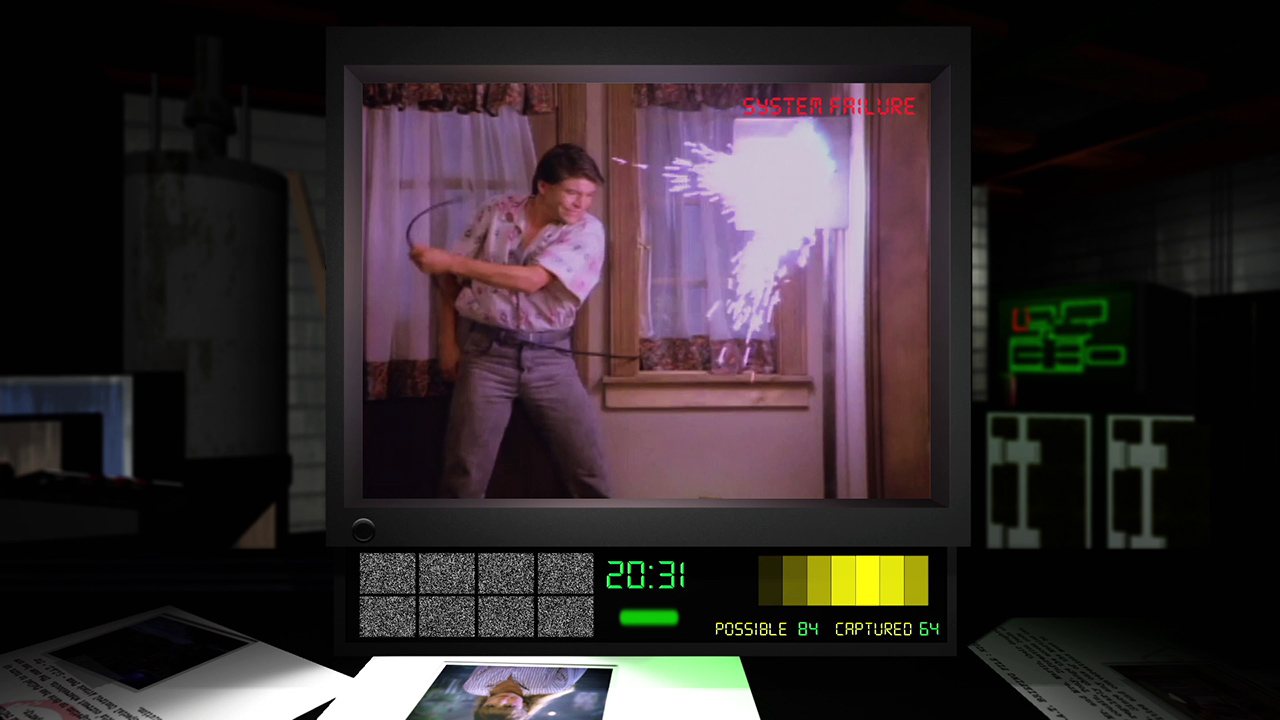
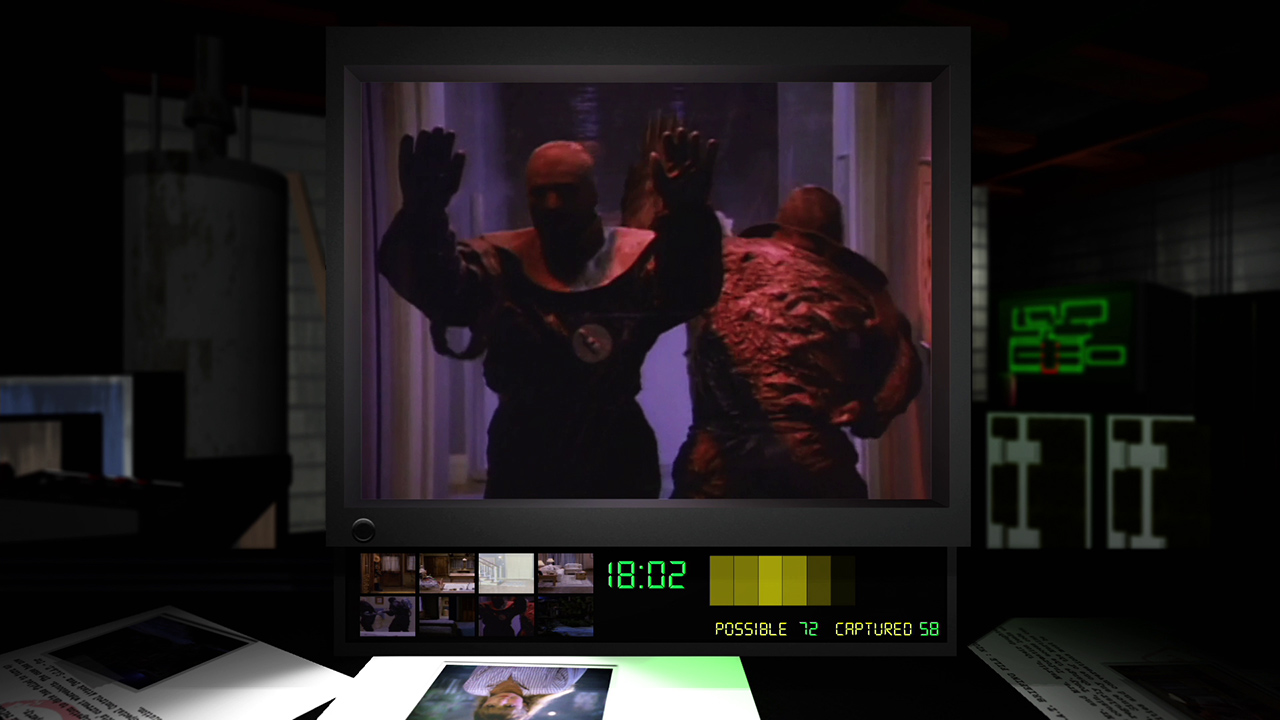
In December 1993, the US Senate held hearings on violence in video games. Two games took centre stage. One was Mortal Kombat, a fighting game with digitised actors, spraying blood and finishing moves called "fatalities". The other was Night Trap, a Sega CD game built from about 90 minutes of full-motion video, which critics described as sexually exploitative.
Senators Joe Lieberman and Herb Kohl made it clear that if the industry did not label its games, Congress might do it instead. Less than a year later, the Entertainment Software Rating Board was born. It still decides what letter goes on the corner of almost every game box in North America.
Why 1993?
Games had been getting more realistic. Cartridges and CDs could now hold digitised photos and video, so violence looked more like the real thing than ever. Mortal Kombat's home versions arrived in September 1993 on both the Super Nintendo and the Sega Genesis, and the Genesis version's code to restore the arcade blood made headlines.
The hearings also became a stage for the console war. Nintendo's Howard Lincoln and Sega's Bill White used their testimony to attack each other's companies, with Nintendo pointing to the gore Sega allowed and Sega pointing out that it had already introduced its own ratings for its games. We tell the wider rivalry in our history of the Sega vs Nintendo war.
The ESRB arrives
The industry's trade group, the Interactive Digital Software Association (now the Entertainment Software Association), created the ESRB, which officially launched on September 16, 1994. It was self-regulation: no law required ratings, but retailers and console makers quickly made them a condition of sale.
The original system had five age ratings:
- EC (Early Childhood)
- K-A (Kids to Adults)
- T (Teen)
- M (Mature)
- AO (Adults Only)
There was also RP (Rating Pending) for adverts before a game had been rated. Alongside the letter, content descriptors explained why: "Blood and Gore", "Strong Language" and so on.
How the ratings changed
The system has been tweaked many times since.
- K-A became E (Everyone) in 1998, after trademark issues blocked an "E" icon earlier.
- E10+ (Everyone 10+) arrived in March 2005; the first game to get it was Donkey Kong Jungle Beat.
- EC was retired in 2018 because almost nobody used it.
The biggest controversy came in 2005, when players found a hidden sex mini-game in Grand Theft Auto: San Andreas that could be unlocked with a mod, later nicknamed "Hot Coffee". The ESRB changed the game's rating from M to AO, which pulled it from most store shelves, until a version without the content was released and the M rating returned.
The ESRB's position became stronger after 2011, when the US Supreme Court decided Brown v. Entertainment Merchants Association. The court struck down a California law that banned selling violent video games to minors, ruling that games are protected speech like books and films. Self-regulation through ratings, rather than government bans, became the US model.
From fatalities to loot boxes
The newest battles are about money rather than blood. In 2018, the ESRB announced an "In-Game Purchases" label. On April 13, 2020, it added "In-Game Purchases (Includes Random Items)" for games with loot boxes, gacha and other paid random rewards.
Unlike Australia or Europe's PEGI, the ESRB has not raised age ratings because of loot boxes. We compare the systems in our guide to loot box laws worldwide.
Why it matters
The ESRB was the industry's answer to a political threat, and it worked: three decades later, there is still no federal law rating US video games. But the questions have moved. Today's debates are about spending, data and online contact with strangers, not just what appears on screen.
WGC's take: the 1993 hearings look overheated now, but they produced a system that has held up remarkably well. Whether self-regulation can keep up with loot boxes and live-service design is the test of the next decade.