Destiny 2, 2017 to 2026: The Rise, Fall and Final Triumph of Bungie's Universe
Nine years, ten expansions, one cancelled publishing deal and a ten-year saga that actually reached its ending. A look back at the game that taught a generation to raid, now frozen in time after its last update.
In 2010, Activision and Bungie announced a ten-year publishing deal for a brand-new universe. Activision's chief executive later floated a figure of about $500 million for the project, a number Bungie quickly said was nowhere near its development budget. Either way, the message was clear: this was meant to be the next Halo, a world players would live in for a decade.
It took longer than planned, it changed publishers halfway, and it nearly fell apart more than once. But on June 9, 2026, Destiny 2 received its final content update, Monument of Triumph, and Bungie stopped building new content for the game after nine years. Few live-service games get to tell their whole story. Destiny did. Here is how it got there.
Before the sequel: Destiny (2014)
The first Destiny launched on September 9, 2014 on PlayStation 3, PlayStation 4, Xbox 360 and Xbox One. It was Bungie's first new console universe since Halo, and it sold more than $325 million at retail in its first five days, at the time the biggest launch ever for a new franchise.
Critics were cooler. The game scored 76 on Metacritic for PS4, criticised for a thin story and repetitive missions, even as its shooting was praised as the best in the genre. Over the next three years, expansions such as The Taken King reshaped it into the game fans had wanted.

2017-2019: the Red War and the Activision split
Destiny 2 launched on September 6, 2017 for PlayStation 4 and Xbox One, and on PC on October 24, 2017. It opened with the Red War, a campaign in which the Cabal leader Ghaul attacks the Last City and strips the Guardians of their Light. A week later, on September 13, the first raid, Leviathan, opened, starting a tradition of "world's first" races that would follow every raid release.
The first year was rocky. Two smaller expansions, Curse of Osiris (December 5, 2017) and Warmind (May 8, 2018), failed to hold players. The turnaround came with Forsaken on September 4, 2018, a darker, revenge-driven expansion whose Last Wish raid became one of the most admired in the genre.
Then came a shock. In January 2019, Bungie and Activision ended their publishing agreement, and Bungie took Destiny independent. Nine months later it relaunched the game on its own terms.
2019-2022: free to play, Steam, and the Vault
On October 1, 2019, Bungie released Shadowkeep alongside New Light, which made Destiny 2's core game free to play. At the same time, the PC version moved to Steam. New players flooded in, and the game's audience on PC grew far beyond its original launch.
Beyond Light followed on November 10, 2020, introducing the Darkness power Stasis. It also brought Destiny's most controversial decision. Bungie had announced the Destiny Content Vault in June 2020, a plan to remove older content to keep the game's size manageable. The Red War campaign, Curse of Osiris and Warmind were among the content vaulted. Players who had paid for those expansions could no longer play them, a debate that never fully went away.
The Witch Queen, released on February 22, 2022, is often called the series' best campaign. It introduced weapon crafting and a story about the Hive god Savathûn stealing the Light itself. In the same year, Sony agreed to buy Bungie for about $3.6 billion.
2023-2024: the saga's ending
Lightfall (February 28, 2023) was the low point of the late era, criticised for its story and its new Neptune city. But Bungie answered with The Final Shape on June 4, 2024, which concluded the ten-year Light and Darkness saga that began in 2014. Its raid, Salvation's Edge, opened with another world's first race, and many longtime players called the expansion the best ending a live-service game had ever managed.
Each expansion also gave players a new place to call home for a year: Shadowkeep returned to the Moon, Beyond Light went to Jupiter's frozen moon Europa, The Witch Queen opened Savathûn's Throne World, Lightfall built the neon city of Neomuna on Neptune, and The Final Shape finally took Guardians inside the Traveler itself, to a place called the Pale Heart. Along the way it brought back the much-missed Hunter Cayde-6, killed off in Forsaken, for one last adventure.
It is rare for a story told across a decade, in live updates, to end on a high. Destiny's did.
2025-2026: the Fate Saga and the final update
Bungie started a new story in 2025, the Fate Saga. The Edge of Fate, released on July 15, 2025, took players to a new destination, Kepler, and introduced Matterspark, which let Guardians shrink into a rolling ball of dark matter. Renegades, released on December 2, 2025, was openly described as a Star Wars-inspired take on Destiny. Bungie also moved to a calendar of two paid expansions and two free major updates a year, starting with Ash & Iron in September 2025.
But the player base did not return in the numbers Sony hoped for, and in 2026 the plan changed. Bungie announced that Monument of Triumph would be the last content update. Released on June 9, 2026, it brought back the Director as the centre of the game, added the Lawless Frontier and Kepler areas, and gave older destinations new loot with tiered weapons and set bonuses. A new hourly event called Distortions empowers enemies on a different planet each hour. PvP playlists, Trials of Osiris, Iron Banner and Gambit got their own weapon pools. On the same day, Bungie bundled all remaining expansions and dungeon keys as Destiny 2: The Collection.
The servers stay online, but the game is now, as one outlet put it, frozen in time. Weeks later, Bungie laid off most of the Destiny team, which we covered in our Bungie layoffs story.
By the numbers
- 9 years of Destiny 2, from September 2017 to June 2026
- 10 paid expansions, from Curse of Osiris to Renegades
- $325 million: the first Destiny's retail sales in its first five days
- $3.6 billion: Sony's price for Bungie in 2022
- 1: the number of ten-year stories Bungie actually finished
WGC's take
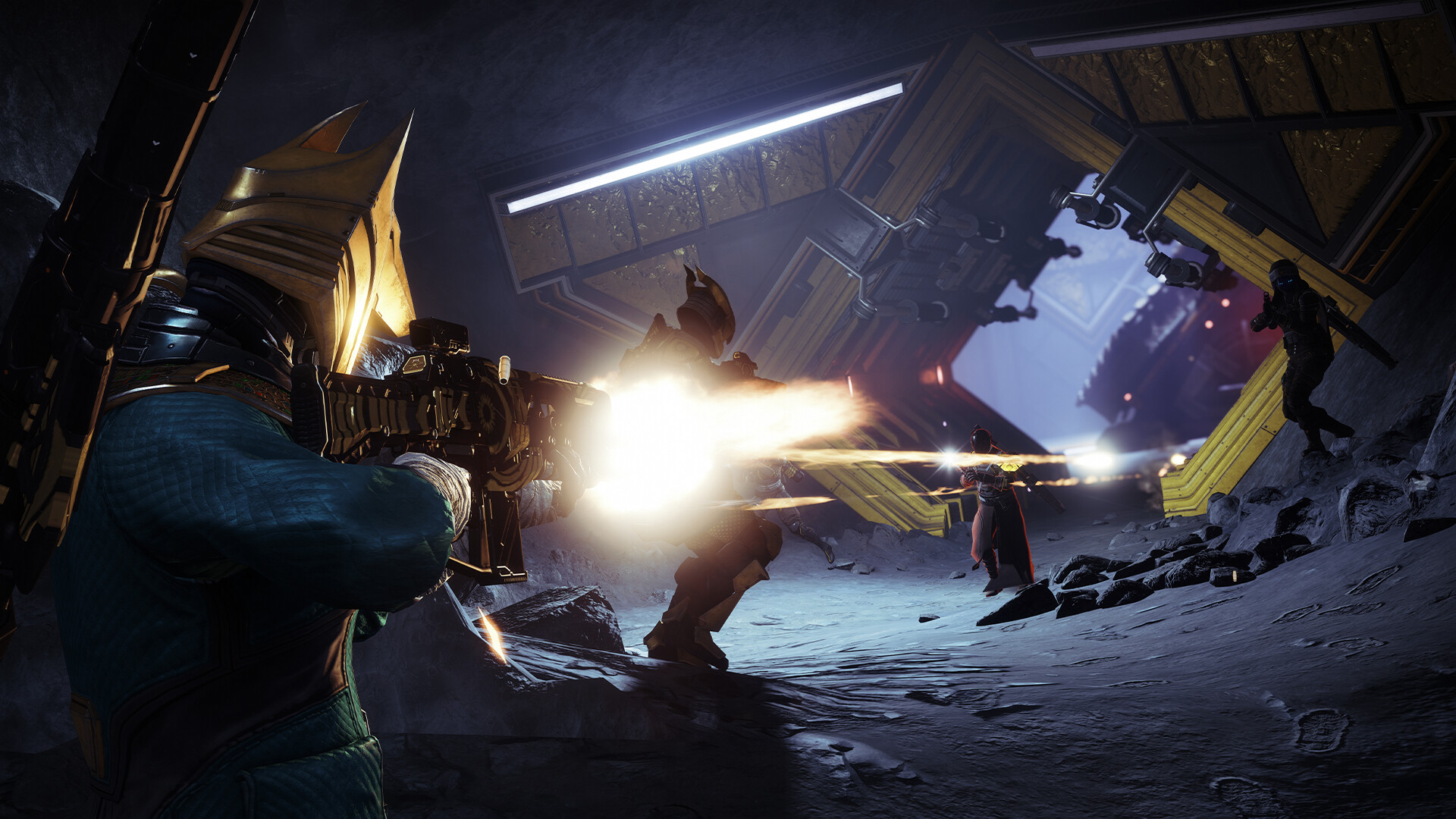
Destiny 2 was never a perfect game. It sold content and then took it away, it swung between brilliant and baffling expansions, and its economy changed so often that returning players needed a guide just to understand the menus. But it also delivered things few games have: shooting that felt better than almost anything else, raids that brought strangers together for hours, and a story that reached its planned ending. It did all that after Bungie went independent in 2019 and took on the job of publishing its own game, something it had not done since before Microsoft bought the studio in 2000.
What to play next
Destiny 2 is still free to play, and Monument of Triumph is the friendliest version of the game for newcomers it has ever been. Buy The Collection if you want the campaigns, starting with The Witch Queen and The Final Shape. If you want Bungie's next chapter, read our look at Marathon, the studio's extraction shooter.