Dark and Darker vs Nexon: Five Years, Three Courts and a ₩5.76bn Bill
Korea's Supreme Court has settled the civil fight over Dark and Darker. Ironmace won on copyright and lost on trade secrets. What happened, what the ruling actually says, and what every developer leaving a big studio should learn from it.
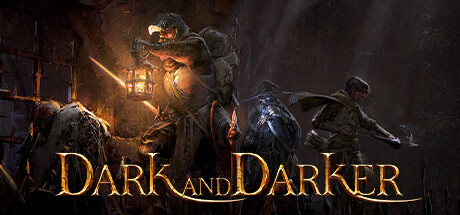
In February 2023, a dungeon crawler with no publisher, no marketing budget and a deliberately brutal design became one of the most talked-about demos of Steam Next Fest. Players loved Dark and Darker: torch-lit corridors, friends shouting in voice chat, and the constant fear of losing everything to another team on the way to the exit. Within weeks, though, the conversation was no longer about dungeons. It was about lawyers.
On 30 April 2026, that conversation finally reached its end, at least in the civil courts. South Korea's Supreme Court upheld an appeal ruling that developer Ironmace must pay Nexon ₩5.76 billion (about $3.8 million) for infringing Nexon's trade secrets, while rejecting Nexon's claim that the game itself infringed its copyright. A separate criminal case is still going. Here is the whole story, step by step.
Where Dark and Darker came from
Ironmace was founded by former Nexon staff. Its CEO, Choi Ju-hyun, had worked at Nexon on a project codenamed P3. Nexon's case, as reported, is that Choi leaked P3's source code and data to a personal server before he left, and that Ironmace then used those materials to build Dark and Darker. The studio has always denied wrongdoing and insisted that it built the game itself.
The game is an extraction dungeon crawler: you enter a dangerous map with your gear, fight monsters and other players (PvPvE, meaning player versus player versus environment), grab loot and try to escape alive. Die, and you lose what you carried in. Steam describes it as "an unforgiving hardcore fantasy FPS dungeon PvPvE adventure."
The timeline
- 2021: The dispute begins when Nexon accuses Choi of taking P3 materials.
- Early 2023: Dark and Darker draws huge crowds in a Steam Next Fest playtest and tops Steam wishlist charts. Police raid Ironmace's offices.
- Spring 2023: The game is pulled from Steam after Nexon's complaints.
- June 2024: About 14 months later, Dark and Darker returns to Steam, revealed during Summer Game Fest, as a free-to-play game. It is also on the Epic Games Store.
- February 2025: The Seoul Central District Court finds that Ironmace infringed Nexon's trade secrets by leaking P3-related information and orders it to pay ₩8.5 billion. It does not find copyright infringement.
- Appeal: The appeals court agrees on trade secrets but cuts damages to ₩5.76 billion, again rejecting the copyright claim.
- February 2026: Prosecutors indict Ironmace under Korea's Unfair Competition Prevention and Trade Secret Protection Act.
- 30 April 2026: The Supreme Court upholds the appeal ruling. The civil case is final.
Copyright versus trade secrets: why the split matters
The headline "Nexon wins" hides the most interesting part of the ruling. Three courts in a row decided that Dark and Darker is not a copy of Nexon's work in the copyright sense. What they found was narrower: that information belonging to Nexon's P3 project was taken and used in a way that broke trade secret law.
In plain words:
- Copyright protects creative expression: code, art, music, specific text. Courts did not accept that Dark and Darker copied Nexon's expression.
- Trade secrets protect confidential business information, such as unreleased project data, plans and source code, that a company keeps secret and that has value because it is secret. Courts did find that this line was crossed.
PC Gamer summed it up as an outcome that isn't a clear win for either side. Nexon gets its damages and a strong statement; Ironmace keeps its game and can say its work was not ruled a copy. Nexon said the ruling shows that seeking profit by unjustly taking another company's assets "can never be tolerated." Ironmace's response to the final ruling was not included in the reports we reviewed.
How the game is doing now
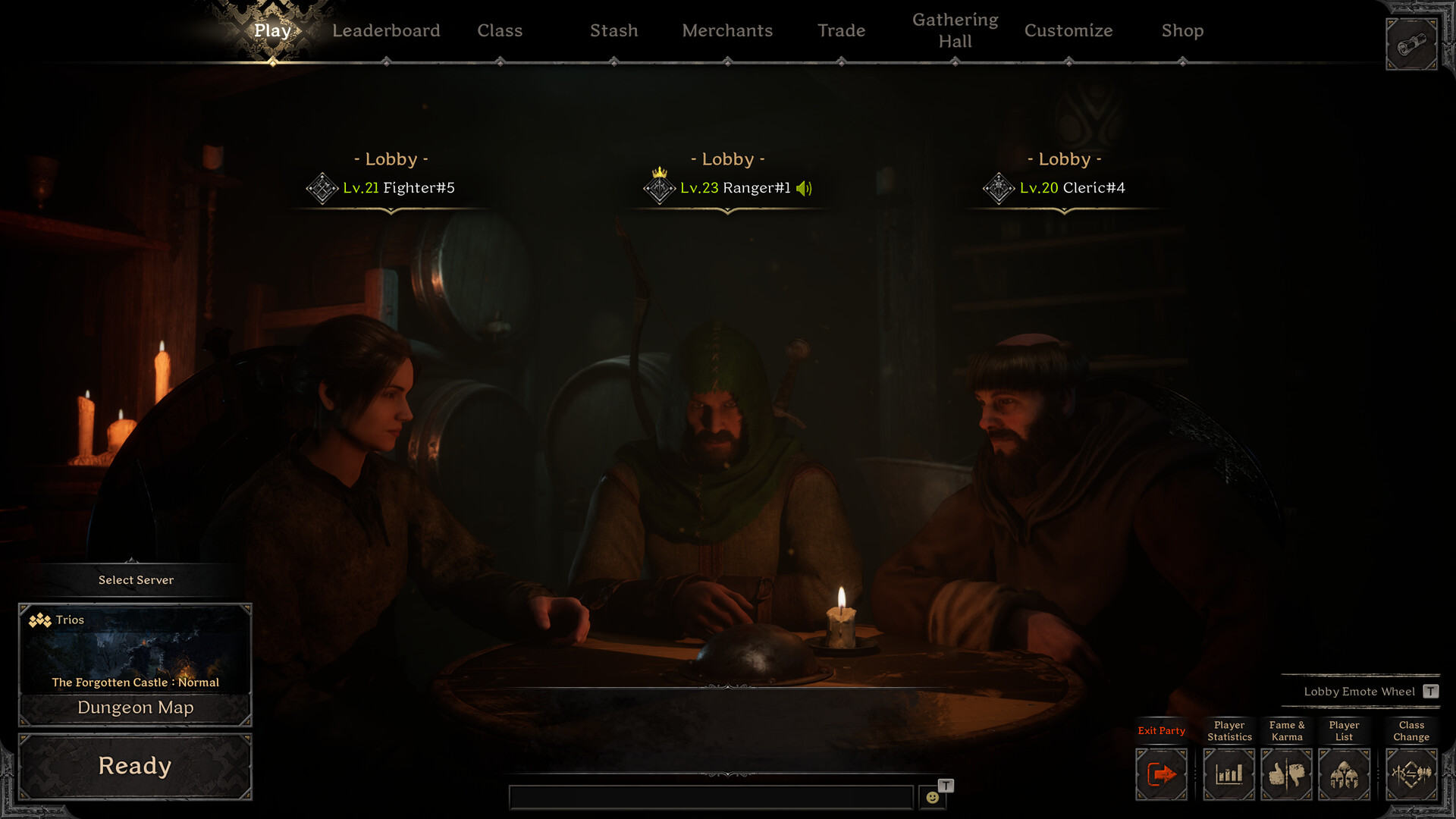
Dark and Darker is still on Steam in early access, where it has kept running seasons; Ironmace has launched Early Access Season 10. When it returned in 2024 it used a free-to-play model: a free account gives one character and access to Normal maps, while a paid "Legendary" account unlocks the full game, including the high-stakes High Roller dungeons. Ironmace described the free tier as an extended demo.
The road has not always been smooth with players either. The studio has openly admitted that some of its own design decisions, including parts of the free-to-play model, were not well designed and promised to make amends. But the community has stuck around through a legal fight that would have finished most small studios. Few indie games have survived being delisted from Steam for over a year.
By the numbers
- 5 years: from Nexon's first accusation in 2021 to the final civil ruling in 2026.
- 3 courts: district court, appeals court and Supreme Court.
- ₩8.5 billion: the first damages award (February 2025).
- ₩5.76 billion: the final amount, about $3.8 million.
- 0: courts that found copyright infringement.
- 14 months: time Dark and Darker spent off Steam.
What it means for Korean developers
Korea's indie boom is full of developers who learned their craft at big companies. Shape of Dreams' founders were students, but many other teams are ex-Nexon, ex-NC or ex-Netmarble veterans striking out on their own; solo developer Kim Ju-seok, who spent years at Nexon before making ASCII Survivors, is one example. The Dark and Darker case draws a clear line for all of them.
The backstory makes it even more relevant. According to PC Gamer, P3 was a project Nexon allegedly cancelled, and that cancellation led to the founders' departure. That is a very common story in game development everywhere: a team falls in love with a project, the company shelves it, and the team wants to make it anyway. Dark and Darker shows how risky that moment is. The idea may travel with you; the project files, legally, do not.
WGC's take: you can leave a big studio and make a game in a genre you worked on. Courts are not going to treat an idea or a genre as private property. But you cannot take files, code or confidential project data with you, and "we rebuilt it ourselves" is a hard argument to win when the evidence says otherwise. The practical advice is boring but vital: leave with nothing but your experience, document your new work from day one, and keep your old employer's materials far away from your new studio.
What to watch
- The criminal trial: prosecutors indicted Ironmace in February 2026, and that case is ongoing. Its outcome could matter more for the people involved than the civil damages.
- Dark and Darker's next seasons: with the civil case closed, Ironmace can focus on the game. Whether it ever leaves early access is the next big question.
- Industry contracts: expect Korean studios to tighten exit procedures and data rules, and expect start-up founders to be much more careful about what they bring with them.