Clair Obscur: Expedition 33 and the Debut That Swept Every Game of the Year Award
A team that started with six people, a budget under $10 million and a composer found on SoundCloud made the most decorated debut in video game history. Here is how Sandfall Interactive pulled it off, and what it means for every small studio dreaming big.
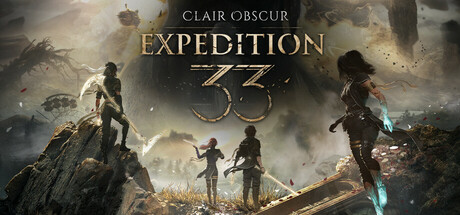
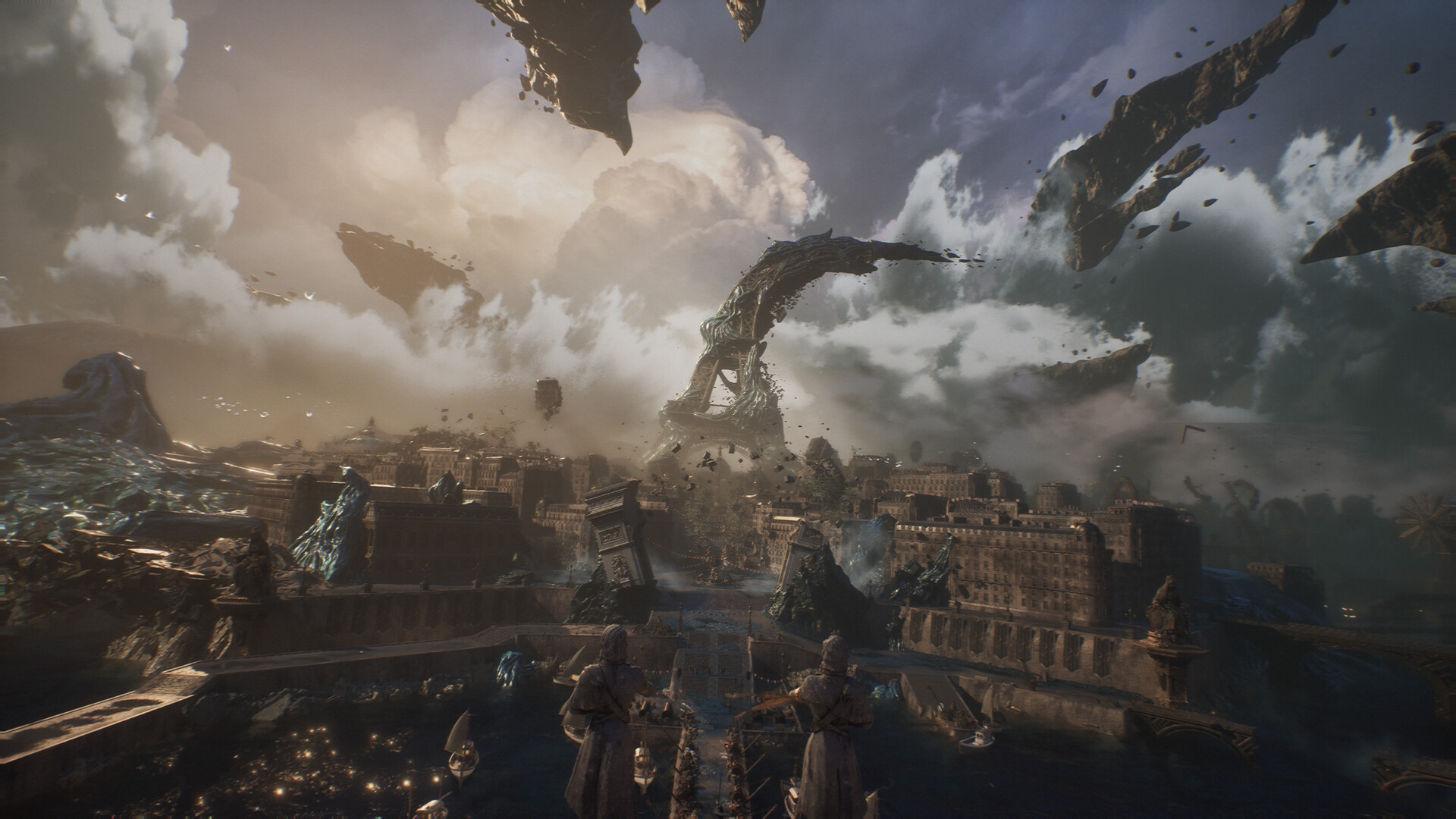
Every year, a painter wakes up, writes a number on a monolith, and everyone that age or older vanishes in an event called the Gommage. That is the premise of Clair Obscur: Expedition 33, and it is one of the stranger pitches ever to win Game of the Year. It is also the story of a studio that, a few years earlier, could barely get a publisher to return its emails.
The French role-playing game from Sandfall Interactive launched on 24 April 2025 for PlayStation 5, Windows and Xbox Series X|S, including day one on Xbox Game Pass. By its first anniversary on 24 April 2026 it had sold more than 8 million copies. Along the way it won Game of the Year at The Game Awards 2025, the Golden Joysticks, the D.I.C.E. Awards, the Game Developers Choice Awards and the BAFTA Games Awards. Only Baldur's Gate 3 had done that before, and no debut game ever had.
From a Ubisoft side project to a studio of its own
The game began as a hobby. In 2019, Guillaume Broche was working at Ubisoft, first at Massive Entertainment in Malmö, Sweden, and later at Ubisoft Shanghai. In his spare time he built a prototype in Unreal Engine 4 called "We Lost".
In 2020, during the pandemic, Broche left Ubisoft and co-founded Sandfall Interactive with Tom Guillermin and François Meurisse. The studio started in a western suburb of Paris and moved to Montpellier, in the south of France, in April 2021. Internally, the project was called "Project W".
Money came in small pieces: angel investors, a €154,000 award from France's CNC video game support fund, a prototyping grant from the Occitania region and a $50,000 Epic MegaGrant. Many publishers and investors turned the team down. In March 2022, Sandfall pitched a vertical slice (a short, polished section that shows how the finished game will look and play) at GDC, and in the first half of that year it signed with Kepler Interactive, choosing the publisher partly because it promised creative freedom.
Turn-based combat that refuses to sit still
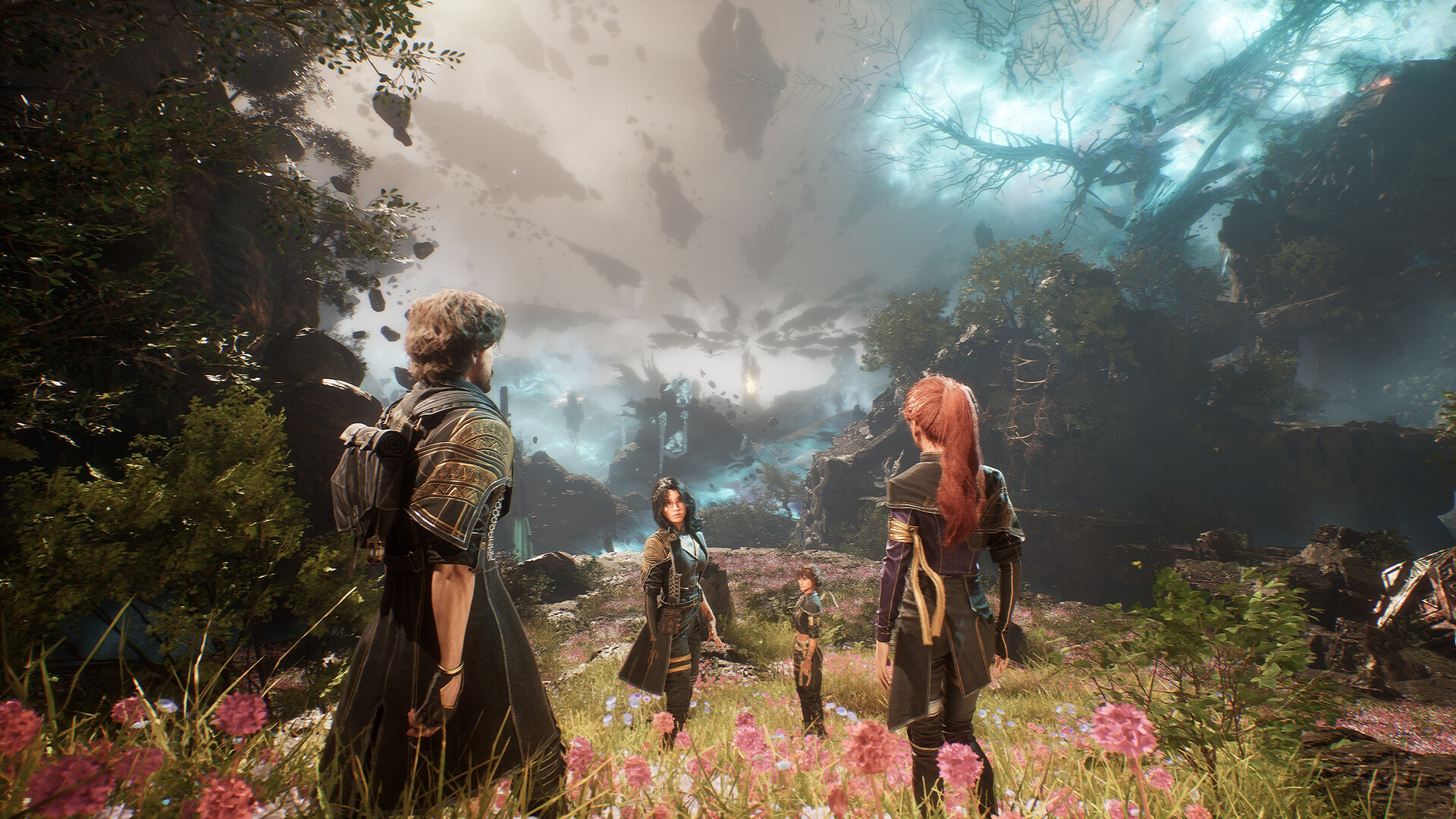
Clair Obscur looks like a big-budget fantasy RPG, with Belle Époque costumes and painterly landscapes built in Unreal Engine 5 (the team switched from Unreal Engine 4 for better rendering and animation). Underneath, it is a classic turn-based battle system with a twist: you can dodge, parry and counter enemy attacks in real time. On your own turn, quick timing prompts boost your skills; on the enemy's turn, you watch their wind-up and react. Dodging is forgiving, while a parry demands tighter timing but rewards you with Ability Points and a chance to strike back, so the best players spend whole fights on the edge of their seats.
That single idea changes everything. A fight is no longer a menu you wait through; it is a rhythm game you can learn. Bosses that seem impossible become fair once you read their patterns, and perfect parries feel like landing a combo in a fighting game. It was a bridge between Japanese RPG tradition and action games, and players of both camps crossed it happily.
The story follows Expedition 33, the latest group of volunteers to leave the city of Lumière and try to destroy the Paintress before she paints the next number. When the story begins, the number on the Monolith has fallen from 100 to 34. The cast is led by Charlie Cox as Gustave and Jennifer English as Maelle, with Ben Starr as Verso and Andy Serkis as Renoir.
By the numbers
- 500,000 copies sold in the first 24 hours
- 1 million in three days, 2 million in 12 days
- 3.3 million in 33 days, a milestone that suited the title
- 5 million by early October 2025, 8 million by 24 April 2026
- 92 on Metacritic for PS5, 91 for PC and Xbox
- 13 nominations and 9 wins at The Game Awards 2025, both records for the show
- 7 for 7 at the Golden Joystick Awards 2025
The awards season nobody saw coming
The Game Awards in December 2025 turned into a coronation. Clair Obscur took Game of the Year, Best Game Direction, Best Narrative, Best Art Direction, Best Score and Music, Best Performance for Jennifer English, Best RPG, Best Independent Game and Best Debut Indie Game.
The run did not stop there. In February 2026 it won five D.I.C.E. Awards including Game of the Year. In March 2026 it took five Game Developers Choice Awards, again including Game of the Year. In April 2026 BAFTA gave it Best Game, Debut Game and Performer in a Leading Role for English. It also won the Hugo Award for best game or interactive work and the Nebula Award for game writing, two prizes better known for science-fiction novels.
The asterisk: AI placeholders and a rescinded award
Not every trophy stayed on the shelf. The separate Indie Game Awards initially named Clair Obscur its Indie Game of the Year and Indie Debut Game, then rescinded both after it emerged that the game had shipped with placeholder textures made with generative AI. Sandfall had replaced those textures five days after launch, but the organisers held that the rule had been broken.
It is a useful footnote for every studio: tools used during development can resurface long after release, and players and juries are paying attention.
Is it really indie?
Clair Obscur won Best Independent Game at The Game Awards, and some fans argued about whether a game with a publisher, a Game Pass deal and famous actors counts. The facts support the label better than you might think: Sandfall is an independent studio, it owns its creative direction, and its team and budget were small by modern standards.
What the debate really shows is how blurry the word has become. "Indie" used to mean one person and a pixel-art platformer. Today it can also mean 30 people making something that looks expensive, as long as they are not owned by a giant and are betting their own future on it.
Why it matters
WGC's take: Clair Obscur is the strongest evidence yet that ambition does not require a giant. A small team picked a genre many publishers considered unfashionable, turn-based RPGs, gave it one sharp mechanical idea and a distinctive art direction, and found millions of players. The lessons are concrete: grants and small investors can carry a prototype, a polished vertical slice opens doors, and a single brilliant hire, even one found on SoundCloud, can define a game.
A free content update in December 2025 added a new location, late-game bosses, costumes and more languages, so returning players have more to do than ever.
What to play next
If Clair Obscur's mix of style and heartbreak hooked you, try Hades II for another small studio that matched the giants (read our story), or Dispatch, the superhero drama from former Telltale developers that also broke out in 2025 (read our feature). For something completely different but just as bold, the puzzle mansion Blue Prince was the year's other critical darling (here).