Celeste: The Three-Day Prototype That Became a Modern Classic
It started as a tiny game made in a few days on a fantasy console. Two years later it was nominated for Game of the Year. How Maddy Thorson and Noel Berry climbed Celeste Mountain, and why the game still matters.
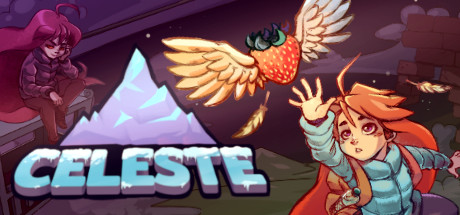
In August 2015, two developers sat down with PICO-8, a "fantasy console" with deliberately tiny limits on screen size, colours and code. In about three days, they made a small, tough platformer about climbing a mountain. They called it Celeste.
That jam-sized experiment grew into one of the most loved games of its generation. The full Celeste, by Maddy Thorson and Noel Berry, launched on 25 January 2018 for PC, Nintendo Switch and PlayStation 4, with Xbox One a day later. At The Game Awards 2018 it won Best Independent Game and Games for Impact and was nominated for Game of the Year. By January 2025 it had sold 1.7 million copies.
A climb, in every sense
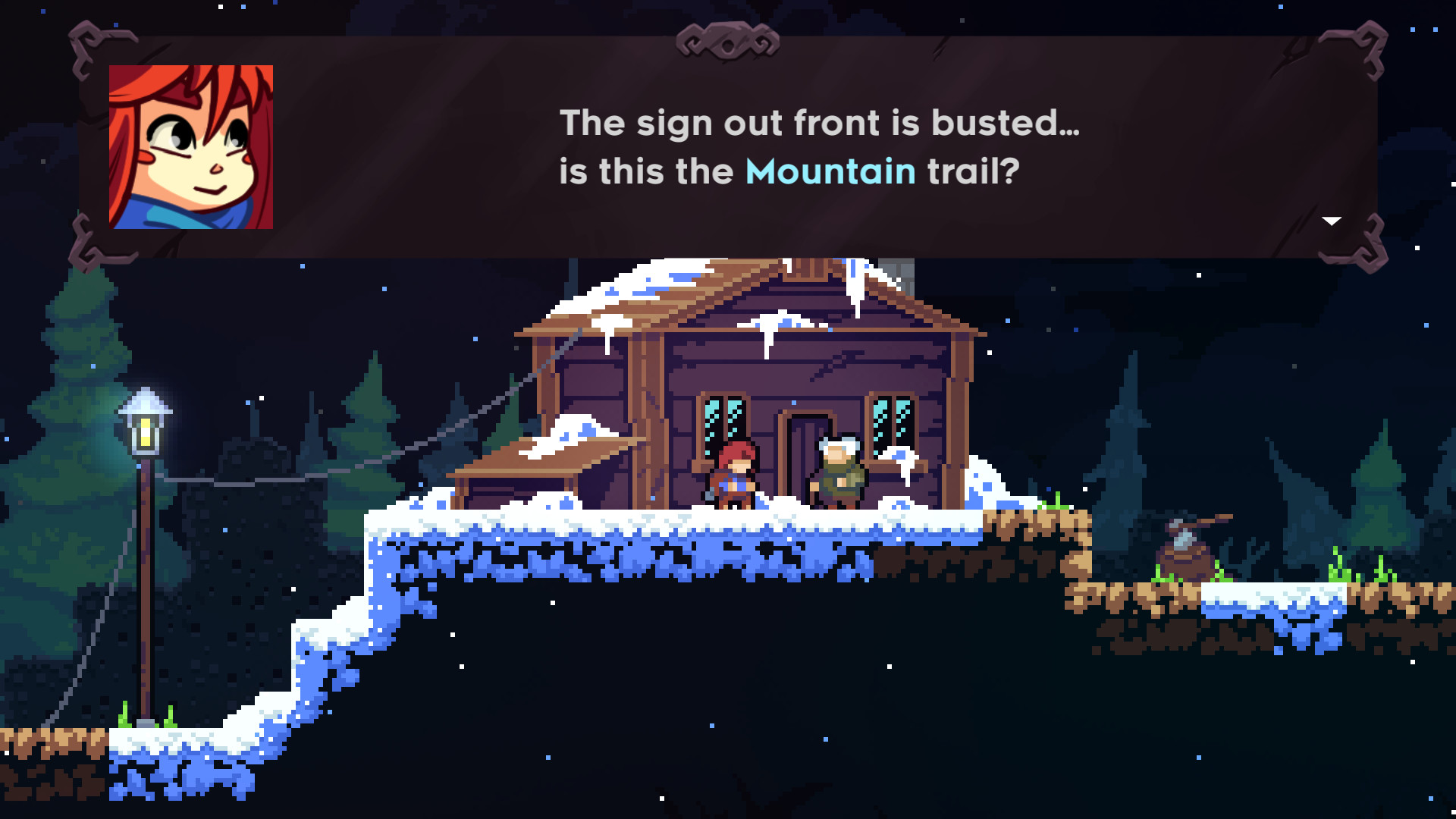
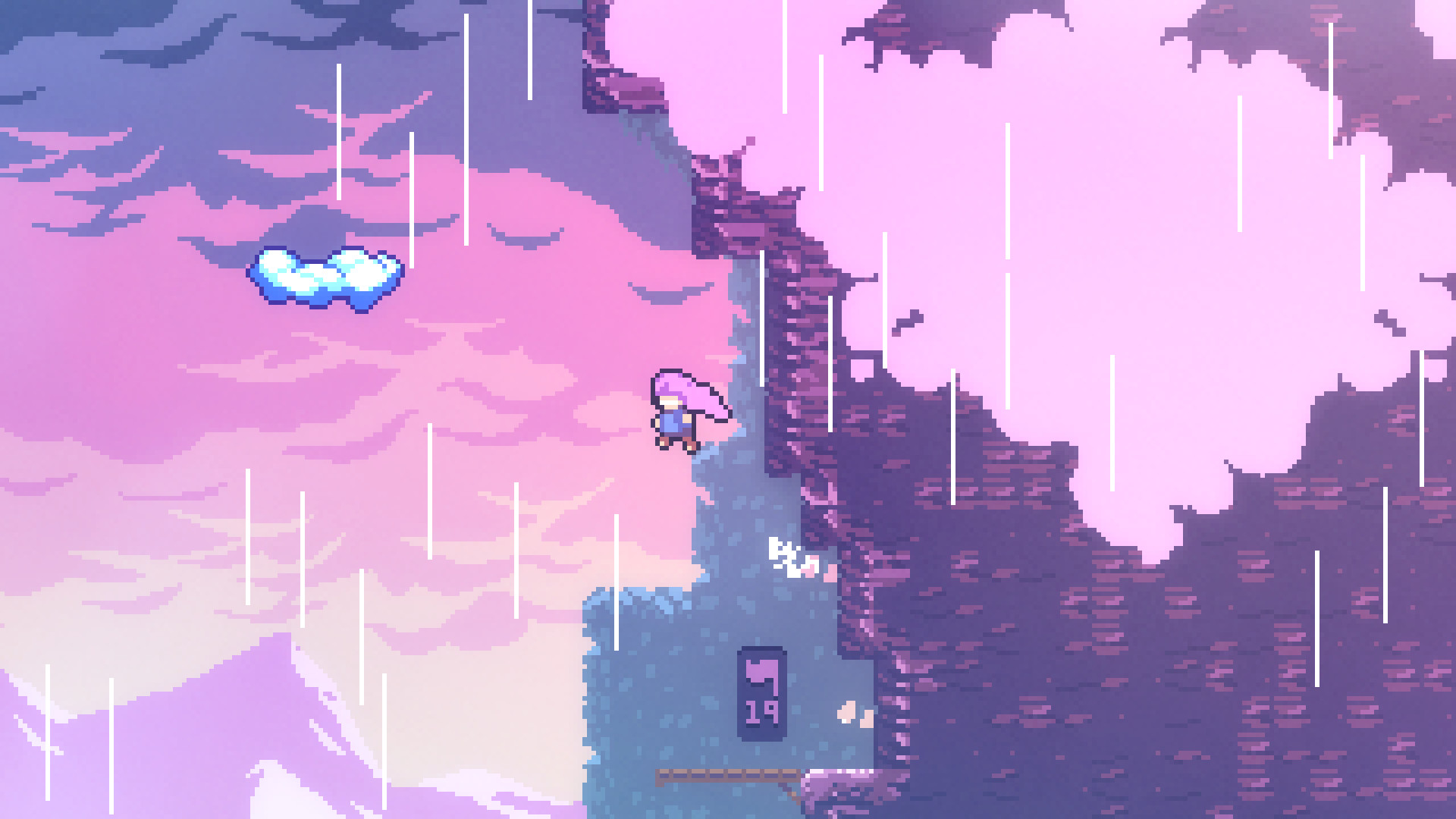
You play Madeline, who has decided to climb Celeste Mountain. The controls are simple: run, jump, climb, and one mid-air dash that refills when you land or touch a green gem. The levels are anything but simple. Each screen is a precise puzzle of spikes, wind and crumbling blocks, and you will die hundreds of times. Respawns are instant, so failure never stings for long.
What makes the difficulty feel fair is how carefully each screen teaches. A new idea appears in a safe spot, then in a slightly dangerous one, then combined with something you already know. By the time a level asks for a perfect chain of dashes and wall-jumps, you have practised every piece of it. The game is hard, but it is almost never cheap.
The mountain is also a metaphor. Madeline's climb is entangled with anxiety and depression, embodied in a shadowy version of herself. The game handles this with warmth rather than gloom, and that combination of punishing platforming and gentle storytelling is what made it special.
The soundtrack and the strawberries
Lena Raine composed most of the soundtrack, a mix of piano and synths that swells as you climb, with sound designer Kevin Regamey weaving effects into the music itself. Other composers remixed her tracks for the harder B-side levels.
Then there are the strawberries, optional collectibles tucked into the hardest corners of each level. They give you nothing except bragging rights and a tougher challenge. They are a brilliant bit of design: the main path is for everyone, the strawberries are for people who want to suffer.
Assist Mode changed the conversation
Late in development, the team added Assist Mode, which lets players slow the game down, give themselves unlimited dashes or even turn on invincibility. It arrived in the middle of a heated online argument about whether difficult games should offer easier options, and Celeste's answer was elegant: keep the intended challenge as the default, and quietly let anyone who needs help get it.
Today, assist options are common in games of every size. Celeste was not the first, but it may be the most influential.
Why it matters
Celeste shows how far a small idea can go. It also shows the value of caring about everyone who plays: the hardest players got strawberries and B-sides, anxious players got a story that saw them, and struggling players got Assist Mode. On OpenCritic, 99% of critics recommend it.
Where to play
Celeste is on PC and Mac (Steam), PlayStation 4, Xbox One and Nintendo Switch. For another tiny prototype that grew into an award winner, read about Inscryption, which started as a game-jam entry (here).