BIC 2026: Asia's Biggest Indie Festival Breaks Its Own Record
856 entries, 42 countries, 42,249 visitors and a Grand Prix for a lo-fi wasteland road trip. A look back at the twelfth Busan Indie Connect, who won, and why Busan has become Korea's indie capital.
Every August, BEXCO in Busan turns into the busiest indie arcade in Asia. People queue to play games that may not come out for two years, made by teams that sometimes fit around one table. In 2026 the queues were longer than ever: the Busan Indie Connect Festival (BIC) 2026 welcomed 42,249 visitors over three days, a record and roughly 10.4% more than the year before.
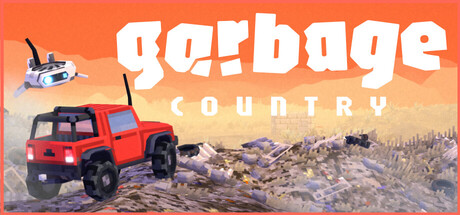
The twelfth BIC ran from 14 to 16 August 2026 in BEXCO's Hall 2 under the theme "Buff Your Indie Spirit". It received 856 entries from 57 countries, a 44% jump on the previous year's 592, and showed 332 games from 42 countries. The top prize went to GARBAGE COUNTRY, a lo-fi road trip through a ruined world. Here is everything that happened, and why it matters for Korea's indie scene.
A festival built in Busan
BIC has been held in Busan every year since 2015. It is organised by the City of Busan, the Busan IT Industry Promotion Agency and the BIC Festival Organizing Committee, and it now bills itself as Asia's largest indie game festival. The programme splits into two halves:
- Business Day (14 August): publisher meetings, investor matching and the Busan Indie Wave Conference. Every meeting room and table in the business lounge was booked all day.
- Festival Days (15-16 August): open to the public, with hands-on demos, stage events, a merchandise zone and pop-up stalls selling local Busan food.
Choosing the line-up took 22 judges three months, across a General category for established developers and a Rookie category for students. A third track, Connect Pick, was chosen by votes from the festival's own volunteer crew, the "Big Connectors".
The winners
The awards were handed out on 16 August, with part of the result decided by on-site voting. This year the prize pool grew, and every winning team also gets a free booth at BIC 2027.
Main awards
- Grand Prix (General, ₩10 million): GARBAGE COUNTRY by Noio.
- Rising Star (Rookie, ₩5 million): Yūrei by Team Yūrei.
- Jury Prize (General, ₩5 million): Tokatonton: One-Armed Blacksmith by Semo Games.
- Jury Prize (Rookie): UpBRELLA by Ably.
General genre awards: Social Impact went to Spring Returns to School by ChildFund Korea; Audio to Witch's Lounge (Wolsang Studio); Casual to Cat Squeeze (Maowor Studio); Action to Seven Trials (Newcore Games); Narrative to Lea, Lars, Samson and Ivy. Their 1 Year (Idun Studio); Experimental to Conservation System (Banji Games); Game Design to Necro Sweeper (Studio An); and Art to Finding Polka (lidlocks).
Rookie genre awards: Send Reptilians to the National Assembly! (MyTrix) for Social Impact, Choozle! (Byeol-muri) for Casual, Amalgam (Triple Kill Interactive) for Action, This World Syndrome (Isekai Research Institute) for Narrative, Folder Escape (Team Crux) for Experimental, and Soom (Smallboots), which won both Game Design and Art.
What is Garbage Country?
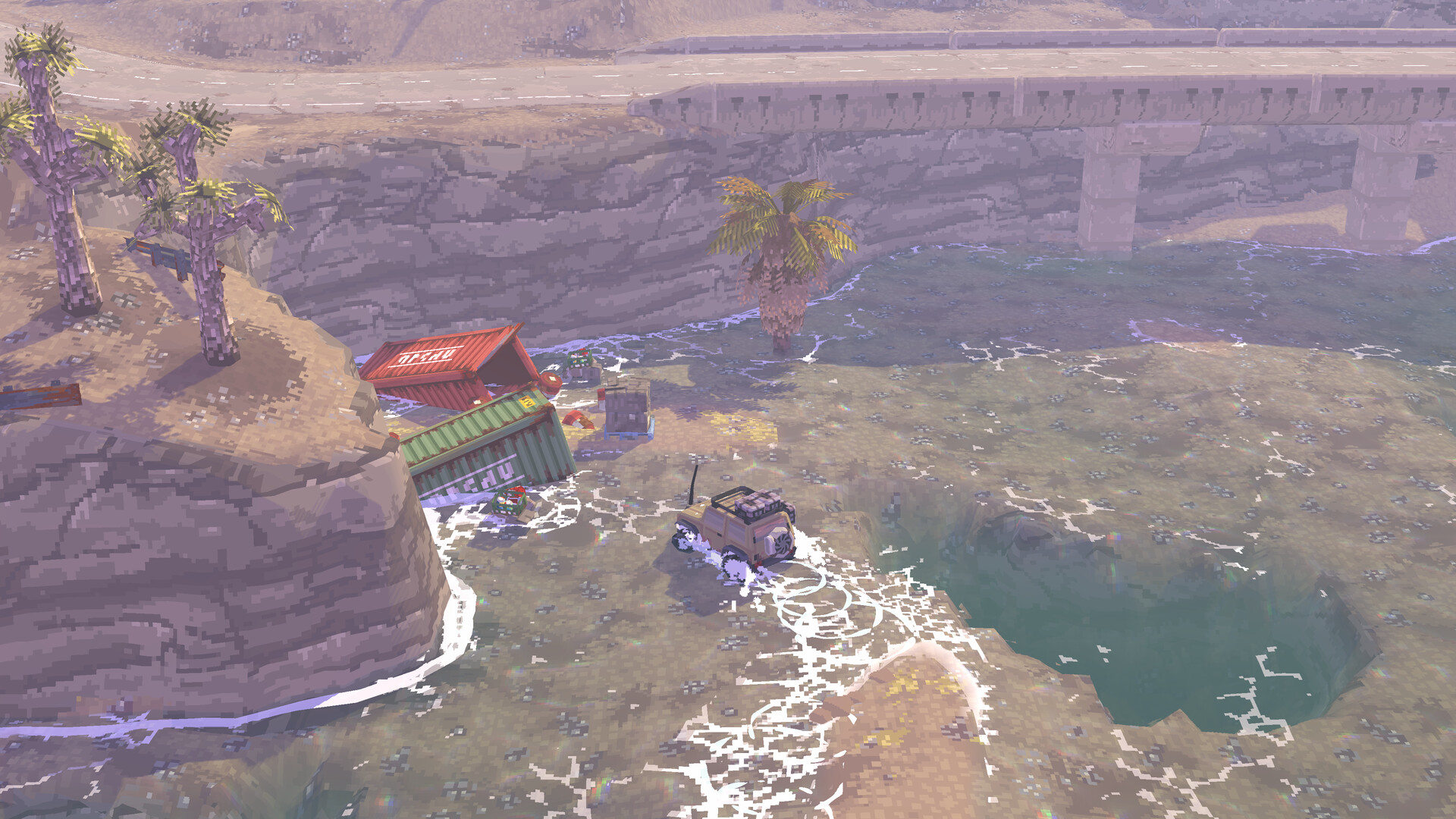
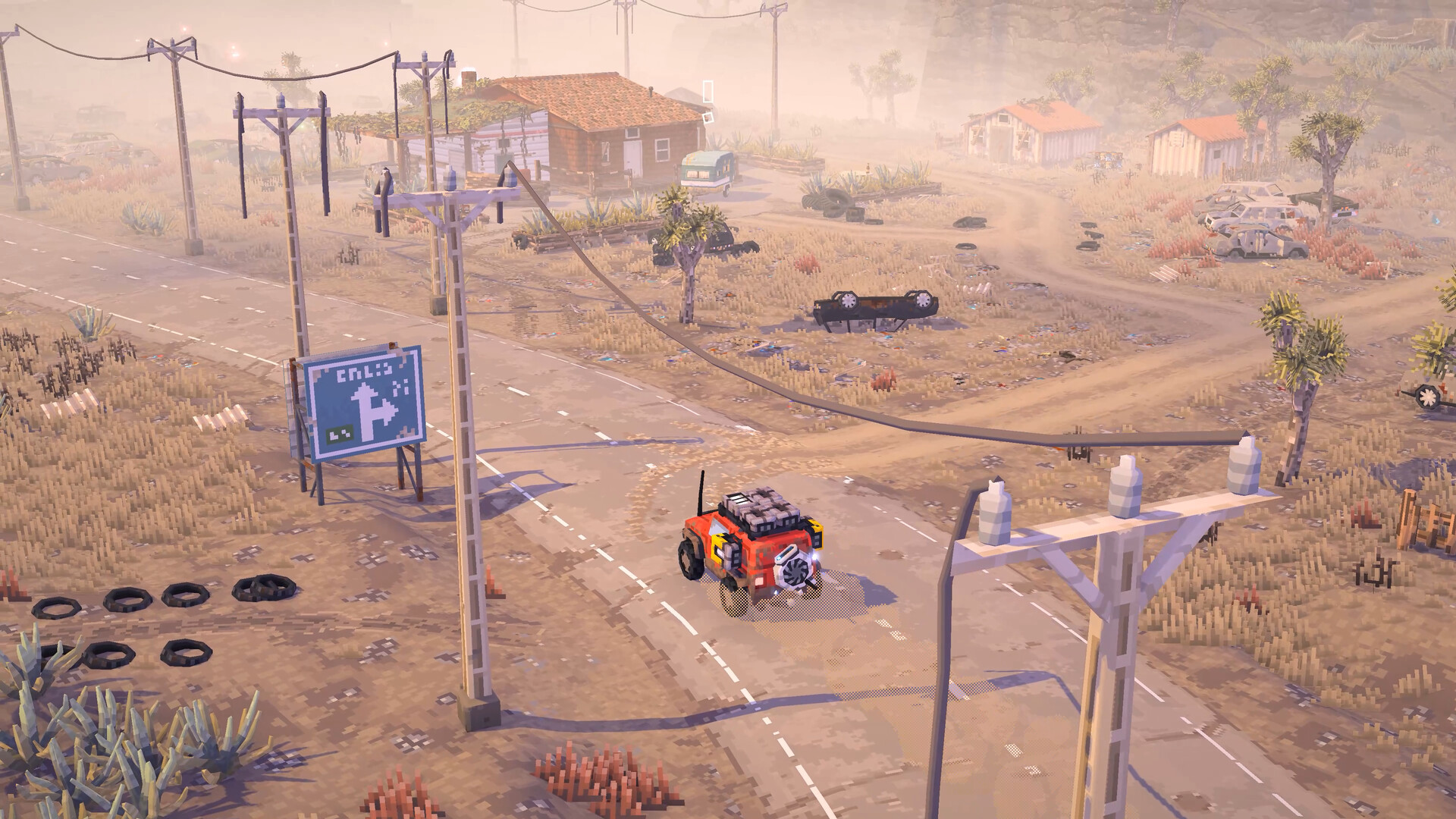
The Grand Prix winner comes from Noio, the developer behind Cloud Gardens and Kingdom: New Lands. In GARBAGE COUNTRY you drive across a handcrafted wasteland, upgrade your vehicle to reach farther areas, and build turrets to hold off hostile bots in tower-defence fights. The mood is calm and lo-fi until the bots arrive. It is published by EdCorp and its release date is still to be announced, so a BIC win is a big early boost.
Online numbers went through the roof
BIC is a hybrid festival. Its online exhibition ran for three weeks, from 7 to 28 August, on the official website, a Steam sale page and a page on Smilegate's STOVE store. The Steam partnership changed everything:
- Event impressions on Steam rose 260.7%, to more than 8.01 million, after the sale page was featured on Steam's main banner.
- Page views reached about 110,000, up 665.3%.
- About 17,000 game downloads (up 36.3%) and 120,000 game views (up 14.1%) on the festival's own channels.
There were new ways to play, too. Seven reviewed games from five companies were offered through YouTube Playables, which runs games in the browser with no install. The festival's YouTube channel also passed 100,000 subscribers, earning YouTube's Silver Creator Award.
Korea's support system on show
BIC is also where Korea's public indie support becomes visible. The Korea Creative Content Agency (KOCCA) returned as a platinum sponsor and ran a Korea Indie Game Showcase pavilion. Five games from its game design support programme were featured: The Newspaper of That Day (Diving Studio), Light Odyssey (Sun Games), Velaster (Odysseyer), Net Raiders (Oblicon) and Lone Chef (Project Moreum). KOCCA says average visitors per participating company rose from 132 to 229, and business meetings per company from 2.7 to 4.8. On the Buff Stage, the festival also unveiled 12 titles in the fifth group of BIGEM, its global expansion programme. Our explainer on Korean indie support covers how these schemes work.
Big names came to talk. Speakers included Kim Yong-ha of Nexon Games, Ariel Manzur, co-founder of the open-source Godot engine, and former PlayStation executive Shuhei Yoshida, who told reporters the Korean indie scene is "growing noticeably every year". His personal picks from the floor included the puzzle game Reverie, World War V: Last Call, which jumps from 2D pixel art to a 3D action shooter, and Where is the Red Ball?, a puzzle game made by a teacher and a student, which he called his most memorable game of the show. He also noticed a pattern: Korean indie developers, he said, have a particular love for 2D action and rhythm games, while Japanese indies often work alone and Chinese teams often grow to 50 people or more.
By the numbers
- 12th edition, held in Busan every year since 2015.
- 856 entries from 57 countries (up 44%).
- 332 games from 42 countries shown.
- 42,249 on-site visitors, a festival record.
- 8.01 million Steam event impressions.
- ₩10 million for the Grand Prix, plus a free booth next year.
Why it matters
Look at the BIC prize lists from two years ago and you will find two of Korea's biggest indie stories. In 2024, Shape of Dreams won three BIC awards before going on to sell more than 1.5 million copies (read its story), and Goodbye Seoul: Itaewon took the Grand Prix before winning Best Game at gamescom's Indie Arena Booth. BIC has become a real pipeline, not just a party.
WGC's take: the record crowd is nice, but the more important numbers are the online ones. A Steam front-page feature puts Korean student games in front of millions of players worldwide, and that kind of exposure is what small teams cannot buy. The one gap Yoshida pointed to is fair: more Western publishers in the business lounge would turn more of these demos into deals.
What to watch
- BIC 2027: the next edition returns to BEXCO next summer, and this year's winners will be back with free booths.
- Garbage Country: wishlist it on Steam; a release date has not been announced.
- The Rookie winners: student teams like Team Yūrei and Smallboots are exactly where Shape of Dreams was in 2024. Keep an eye on their Steam pages.