Astro Bot: How a Tech Demo Mascot Became the Most Awarded Platformer Ever
It started as a robot that showed off a VR headset and a controller. Two years after Astro Bot won Game of the Year, we trace how Team Asobi's tiny hero became PlayStation's happiest success, and what it taught Sony about joy.
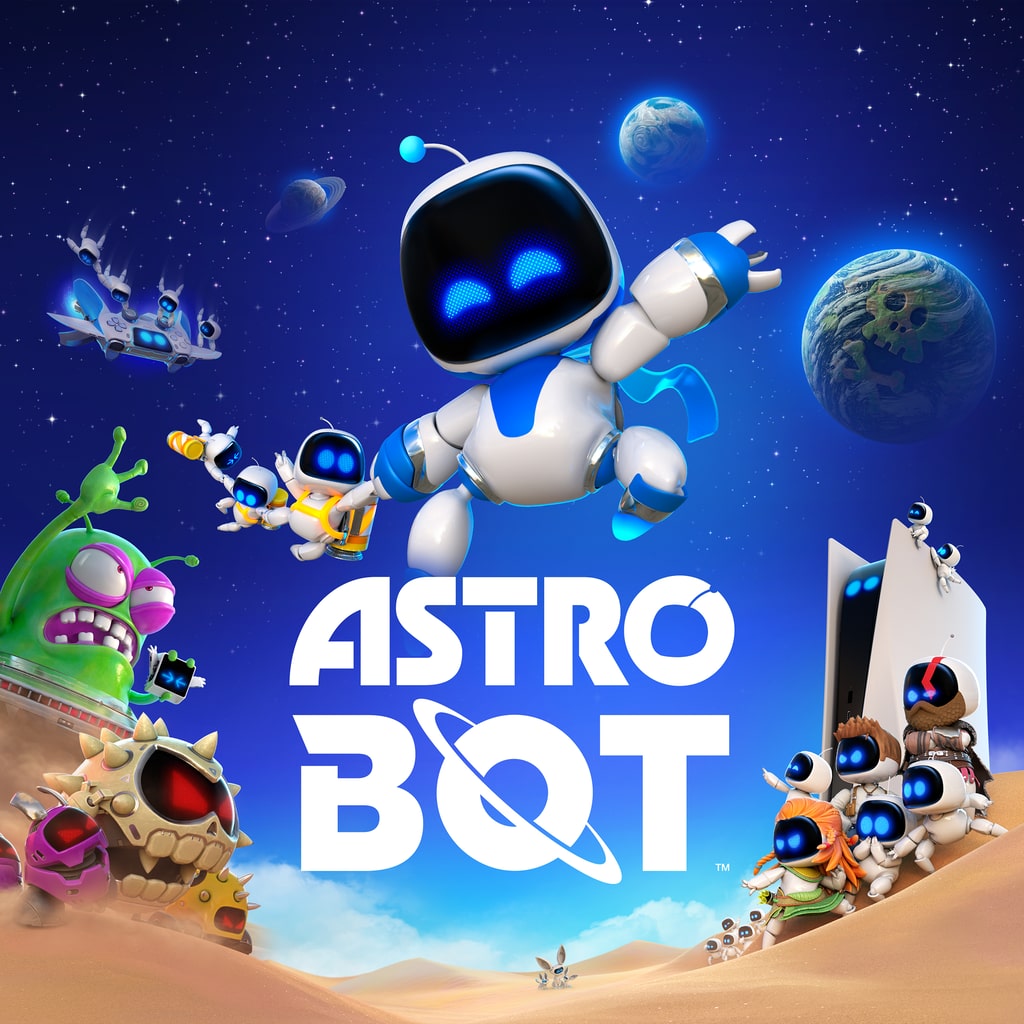
In 2020, every PlayStation 5 came with a small free game installed. It was meant to show off the new DualSense controller: you could feel rain through the vibration motors and the tension of a bowstring in the triggers. Many players expected to delete it after an hour. Instead, Astro's Playroom became one of the most-loved launch games in years.
Four years later, the little white robot from that demo starred in his own full-sized adventure. Astro Bot launched on September 6, 2024, exclusively on PS5, and went on to win Game of the Year at The Game Awards 2024. By April 2025, it had collected 195 Game of the Year awards and nominations, making it the most-awarded platformer of all time. This is the story of how a tech-demo mascot got there.
From a VR demo to Team Asobi
Astro was born inside Sony's Japan Studio, in a team led by Nicolas Doucet, a French director based in Tokyo. The robot first appeared in VR demos, then in Astro Bot Rescue Mission for the original PlayStation VR in 2018, and then in Astro's Playroom. Along the way, the team took the name Team Asobi, from the Japanese word for play.
Astro Bot was the team's first game after separating from Japan Studio. It took roughly three years with about 60 staff, and was reportedly the biggest game Team Asobi had ever made. Doucet, who both directed and produced it, dropped any subtitle on purpose. The plain name was meant to signal a new beginning for the series.
A love letter you can hold
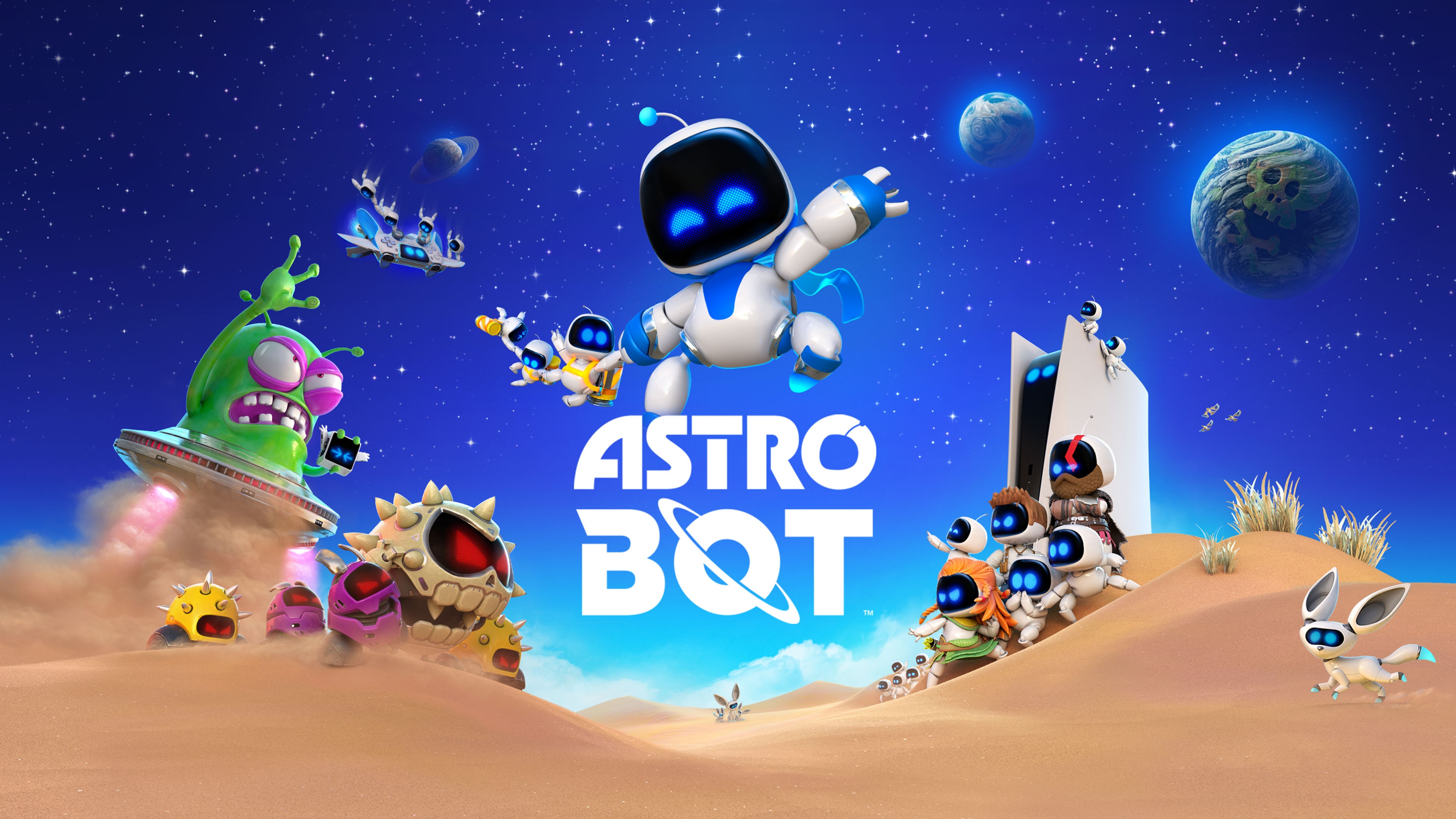
The story is simple. Astro's mothership, shaped like a PS5, is attacked by an alien, and its crew of bots is scattered across the galaxy. You fly between planets in the Dual Speeder, a spaceship shaped like a DualSense controller that you steer by tilting the real one, rescuing bots and collecting parts along the way.
There are more than 50 planets across several galaxies and 300 bots to rescue. More than 150 of them are V.I.P. Bots dressed as famous characters from PlayStation history and from other publishers such as Capcom, Konami, Square Enix, Ubisoft and Sega. Five special levels go further and pay homage to whole series: Ape Escape, God of War, Uncharted, LocoRoco and Horizon.
Astro also gets 15 new abilities, many of them sillier than any platformer has a right to be. Barkster turns him into a rocket-powered bulldog, and the Twin-Frog Gloves give him boxing gloves shaped like frogs. Each one is built around the DualSense, whose haptic feedback lets you feel sand, metal and ice under Astro's feet.
That reliance on the controller could have shut people out, so Team Asobi added options to play with a single stick and to switch off the gyro controls, haptics or adaptive triggers. Players who get stuck can also buy a bluebird helper that points the way. Notably, after two VR games, Astro Bot does not support PS VR2 at all. Doucet said it was designed for a normal screen, and even suggested a PC version could happen if demand were high enough.
Between the jokes, the worlds are crammed with detail. The game features more than 70 species of wildlife. Many levels are built around a single idea or a single new power, and none of them outstays its welcome, which is a big part of why players kept describing it as pure fun.
A 94, a Game of the Year and a record
Critics adored it. Astro Bot scored 94 on Metacritic, the highest of any game released in 2024 on the site, and 99% of critics recommended it on OpenCritic. Edge, Game Informer and Push Square all gave it 10/10. Many reviewers compared it to Nintendo's best Mario games, which, for a PlayStation platformer, is about as high as praise gets.
The trophies followed. At The Game Awards 2024, it won Game of the Year, Best Game Direction, Best Action/Adventure Game and Best Family Game. It also won Best Game and four more awards at the BAFTA Games Awards, and Game of the Year at the D.I.C.E. Awards. By April 9, 2025, its total of 195 Game of the Year nominations and wins had overtaken It Takes Two as the most for any platformer.
Sales were strong, if not record-breaking. Sony announced 1.5 million copies sold by November 3, 2024, and a PS5 bundle with the game followed in March 2025 in the US and Europe.
Free updates that kept it alive
Team Asobi kept adding content without charging for it. Stellar Speedway brought five speedrun levels, released weekly from October 17 to November 14, 2024. Winter Wonder, a holiday level with seven new V.I.P. Bots, appeared on December 12, 2024. Vicious Void added five more challenge levels between February and March 13, 2025, along with PS5 Pro enhancements. A final set of challenge levels on July 10, 2025 brought two famous guests: 2B from Nier: Automata and Cloud Strife from Final Fantasy VII.
The music deserves its own mention. Composer Kenneth C. M. Young, who also scored the earlier Astro games, wrote a huge, cheerful soundtrack, and remixed themes from Uncharted, God of War, LocoRoco and Horizon for the homage levels. Even God of War composer Bear McCreary praised the remix of his work.
By the numbers
- September 6, 2024: release date
- 60: approximate size of the development team
- 300: bots to rescue, with more than 150 V.I.P. cameos
- 94: Metacritic score, the highest of 2024
- 4: Game Awards 2024 wins, including Game of the Year
- 195: Game of the Year awards and nominations by April 2025
Why it matters
Astro Bot arrived when PlayStation's biggest games were long, serious and expensive. It was none of those things. It was short enough to finish in a weekend, funny, generous, and made by a team a fraction of the size of the studios behind Sony's blockbusters. Its success showed that a family-friendly platformer can win the industry's biggest prize, and that PlayStation fans were hungry for joy as well as drama.
It also proved Sony's own history is a treasure. The V.I.P. cameos and homage levels reminded players of forgotten favourites such as Ape Escape and LocoRoco, and some critics noted, half joking, how long those series had gone without a new game. Whatever Team Asobi does next, Astro has already earned a permanent place next to Kratos and Aloy.
There is a lesson about scale, too. Sony's biggest studios now take five years or more to make a game. A team of about 60 people made the best-reviewed game of 2024 in about three, and then kept it fresh with free levels for most of a year. In an industry worried about rising budgets, that may be the most important number in this story.
What to play next
- If you loved it: Astro's Playroom is still free on every PS5 and connects to the bigger game.
- If you still have the original PS VR: Astro Bot Rescue Mission is where the robot's story really began.
- If you want more platforming: our best PS5 games guide ranks the console's top-rated games by critic score.