Arknights: Endfield at Six Months: The Gacha RPG That Asks You to Build Factories
It reached $100 million on mobile four times faster than the original Arknights, then fell hard, then bounced back. Inside the strangest big launch of 2026, and why Japan loves it most.
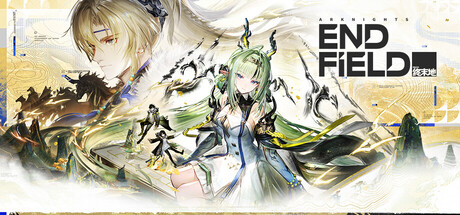
Most anime gacha games sell you characters. Arknights: Endfield sells you characters and then hands you a conveyor belt. Somewhere between the boss fights and the story cutscenes, you find yourself planning power lines, placing drills and routing ore into a smelter so your squad can craft better gear. It is part action RPG, part factory game, and in 2026 it became one of the year's biggest launches.
Hypergryph and its publishing label Gryphline released Endfield worldwide on 22 January 2026 for PC, PlayStation 5, iOS and Android, after 35 million pre-registrations across platforms. In its first six months it earned about $126.7 million from the App Store and Google Play alone, according to AppMagic estimates. It passed $100 million on mobile in just over three months. The original Arknights took a full year to reach the same milestone.
From tower defence to Talos-II
The original Arknights launched in China in 2019 and worldwide in 2020. It was a 2D tower-defence game: you placed operators on a grid to stop waves of enemies, and the strategy was razor sharp. Its moody art, dense lore and generous design made it a cult favourite. Lifetime mobile spending is now close to $1 billion, and it has spawned three anime seasons.
Endfield keeps the universe but changes almost everything else. It is a 3D action RPG set on the frontier planet Talos-II, where you play the Endministrator, leading a team of operators through real-time fights against hostile creatures and rival factions. You control one character while switching between squad members and chaining their skills.
And then there is the base building. Through the game's industrial system, you set up mining, processing and power networks across the map. Supply lines must be designed and expanded. It is closer to Satisfactory or Factorio than to anything in Genshin Impact.
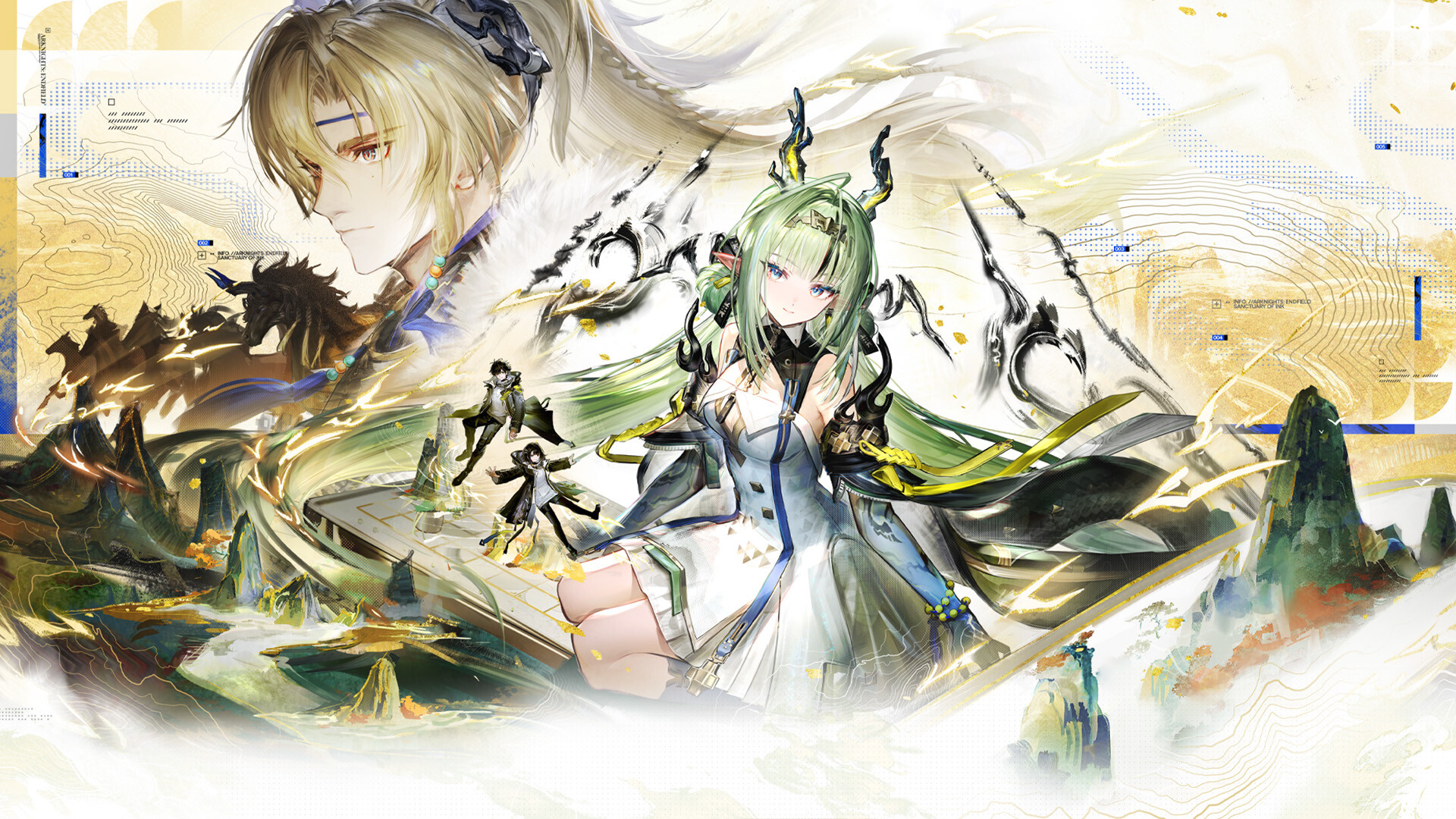
The launch, by the numbers
The early days were explosive. Launch day brought about $2.8 million on mobile. Day two was even bigger at $4.7 million, still the game's best single day. Roughly half of the first $100 million came in the first month.
Then came the drop. Month two brought $25.1 million, month three $22.9 million, and month four just $7.6 million, a 67% fall. That pattern is common for big gacha launches, where pent-up spending is concentrated in the opening weeks.
The recovery started in summer. Version 1.3 on 26 June and version 1.4 on 16 July both drove spikes, and month six was up 72% on month five, back into eight figures. Around the half-year anniversary on 16 July, daily spending jumped 257% to $1.7 million.
By the numbers
- 22 Jan 2026: worldwide launch on PC, PS5, iOS and Android
- 35 million: pre-registrations across platforms
- $4.7 million: best single day on mobile (23 January)
- ~$100 million: reached on mobile in just over three months
- ~$126.7 million: mobile spending in six months (App Store and Google Play)
- 41% / 28% / 9%: Japan / China / US share of that mobile spending
Where the money comes from
Japan is the biggest market, with 41% of mobile spending in the first six months, followed by China on 28% (mostly iOS, since many Chinese Android stores are not counted) and the US on 9%. That echoes the original Arknights, whose community was always strongest in Japan.
It is also worth stressing what these numbers leave out. AppMagic tracks the App Store and Google Play. Endfield also sells through PC, PlayStation, Chinese Android stores and a web shop, so the real total is certainly higher. For a game built to play well on a big screen, the PC and console share may be substantial.
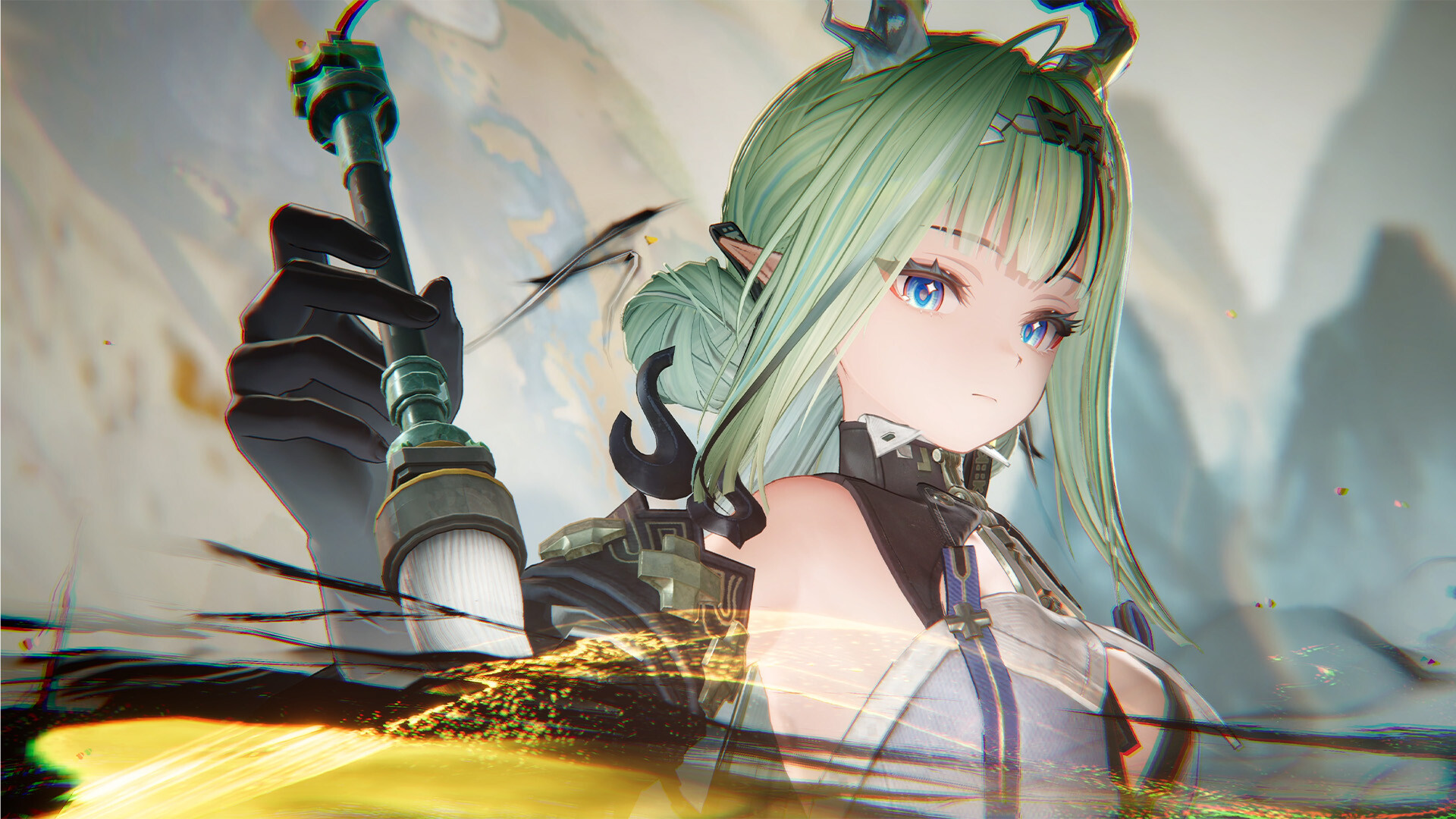
A crowded field
Endfield did not launch into an empty market. Since Genshin Impact arrived in 2020, big-budget anime action RPGs from Chinese studios have become a genre of their own, each one launching on phones, PC and PlayStation at once and each one competing for the same players' time and money. In 2026 alone, Endfield was followed in April by Neverness to Everness, an urban open-world game from Hotta Studio.
That pressure explains a lot about Endfield's design. A new game in this space needs a hook that players can explain in one sentence. "The Arknights action game where you build factories" is exactly that kind of hook. It gives streamers something to show and gives players who are tired of pure combat loops a different kind of goal.
It also explains the revenue curve. In a crowded genre, players move between games as new characters and new releases arrive. A sharp drop after the launch months does not necessarily mean players are gone for good. Many of them are simply waiting for the next update worth logging in for, which is exactly what the summer patches provided.
The rough edges
The launch was not smooth everywhere. PayPal was offered as a payment option at launch but was switched off after a glitch caused erroneous charges and refunds. Players also argued about the pace of the factory systems, which some found absorbing and others found a chore between story chapters.
The biggest debate is about identity. Fans who loved the original's tight tower-defence strategy were not guaranteed to love a 3D action game, and players who came for action were not guaranteed to love logistics. Endfield is trying to please several audiences at once.
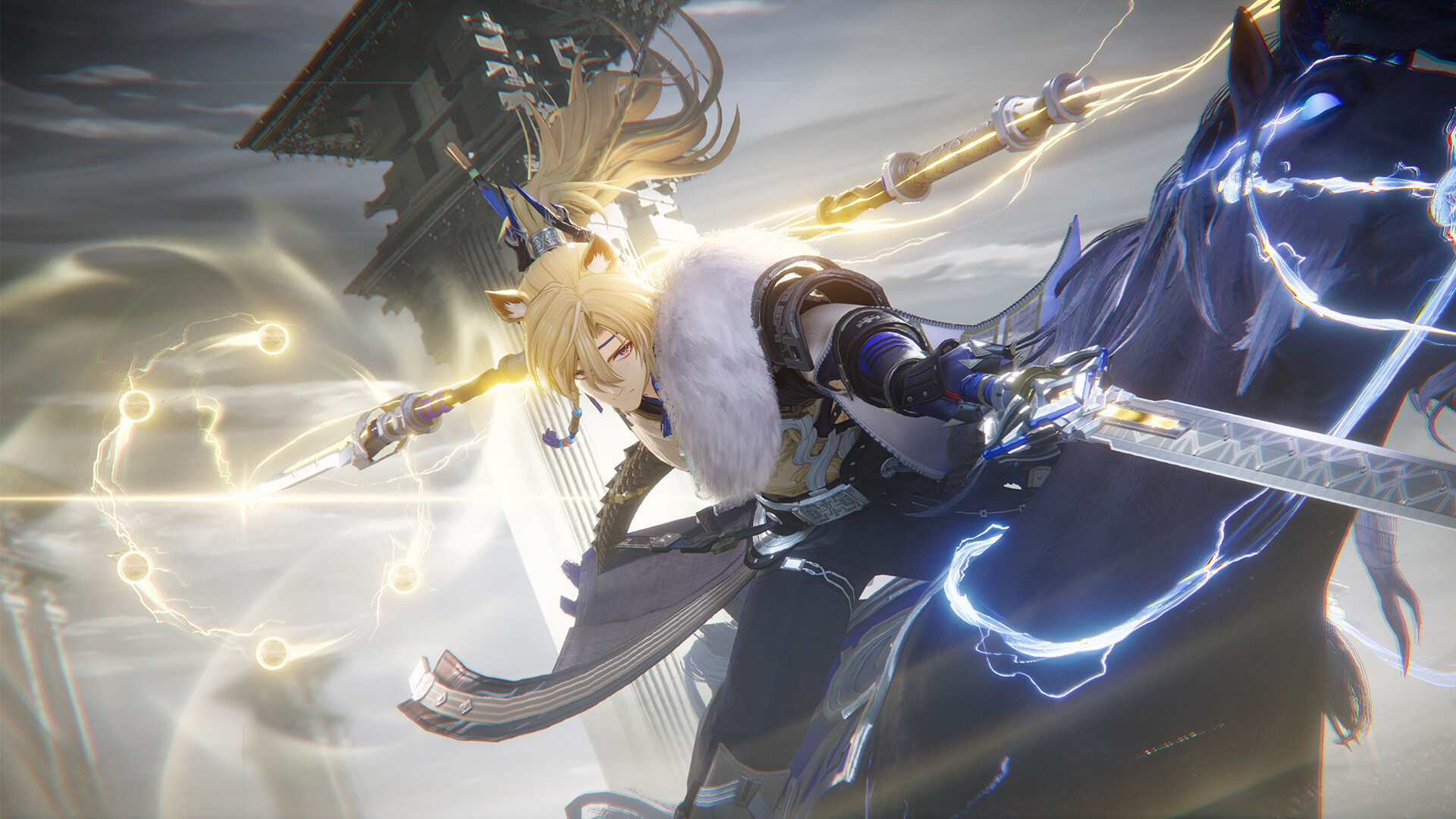
Why it works
It feels expensive. The art direction, music and world-building carry the cold, industrial mood the series is known for, with production values that stand next to the biggest Chinese RPGs.
It is different. In a market crowded with open-world action RPGs, the factory layer gives Endfield an identity of its own. Players who like optimising systems have something no rival offers.
It brings its own audience. Years of loyalty to Arknights, especially in Japan, meant the game launched to a crowd that already cared about its characters.
What to watch next
- Update rhythm: versions 1.3 and 1.4 showed that big patches move the needle. Keeping that rhythm is the job now.
- PC and PS5 share: any official figures would show how much of the audience lives outside phones.
- Factory depth: whether new regions expand the logistics system or let players skip it.
- Japan: with 41% of mobile spending, Japanese events and collaborations are likely to shape the game's biggest months.
WGC's take: Arknights: Endfield is a brave launch. It could have been another open-world gacha game with a famous name. Instead it asks players to care about supply chains as much as character pulls. The steep drop after the first quarter shows how hard it is to hold a big launch audience, and the summer rebound shows the game has a loyal core that returns whenever there is something new to build, fight or read. That core, centred in Japan but spread worldwide, is the foundation every long-running gacha game needs. If Hypergryph keeps its update rhythm, Endfield could end up as the rare spin-off that grows its series instead of borrowing from it.