Africa's Games Market Heads for $2 Billion and 400 Million Players
Africa is growing about twice as fast as the global games market, almost entirely on phones. Egypt leads, South Africa and Nigeria follow, and the next big challenge is getting African players to try African games.
Ten years ago, few games companies had an "Africa strategy". Today, the continent is the fastest-growing games region in the world. Newzoo's final count for 2025 found the Middle East and Africa grew about 15%, quicker than any other part of the globe, and Africa itself is now closing in on two landmark numbers: $2 billion in revenue and 400 million players.
A forecast from the African games publisher and payments company Carry1st, produced with Newzoo and reported in August 2026, puts the continent's games revenue at $1.98 billion in 2026, up 11.9%, with 406.25 million players, up 9.9%. That would be a net gain of about 36.6 million players in a single year.
A phone-first continent
Africa's game boom is a mobile boom. Carry1st and Newzoo expect mobile to make $1.62 billion in 2026, about 81.8% of all revenue. In 2024 the share was even higher, close to 90%, and 304 million of the continent's 349 million players played on phones.
The reasons are simple. Smartphones are far cheaper and more common than consoles or gaming PCs, mobile data has spread fast, and mobile games are mostly free to start. Payments have been the hardest problem, because many players have no credit card, which is exactly the gap that companies like Carry1st set out to fill with local payment methods.
The big three
Three countries dominate spending. In Carry1st and Newzoo's 2026 forecast:
- Egypt: $458.1 million
- South Africa: $263.0 million
- Nigeria: $226.6 million
Egypt has only recently taken the top spot from its rivals. Earlier figures from the same partners counted more than 20 million Egyptian players, about 26.5 million in South Africa and 46.5 million in Nigeria, where about 90% play on smartphones. Nigeria has the most players, but each spends less.
Further down the list, Kenya's mobile games market was put at about $46 million, and Côte d'Ivoire's at about $31.9 million.
The local games challenge
There is a catch. Most of the money Africans spend on games goes to games made elsewhere. A 2024 survey cited in African industry reporting found 56% of players either did not know of or did not play games made in Africa. The State of the African Games Industry 2025 report found only about 8% of African-developed games had earned more than $1 million.
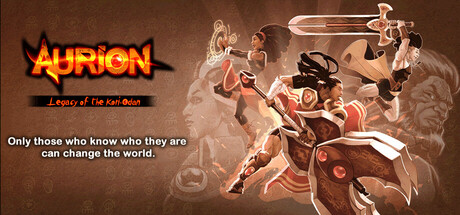
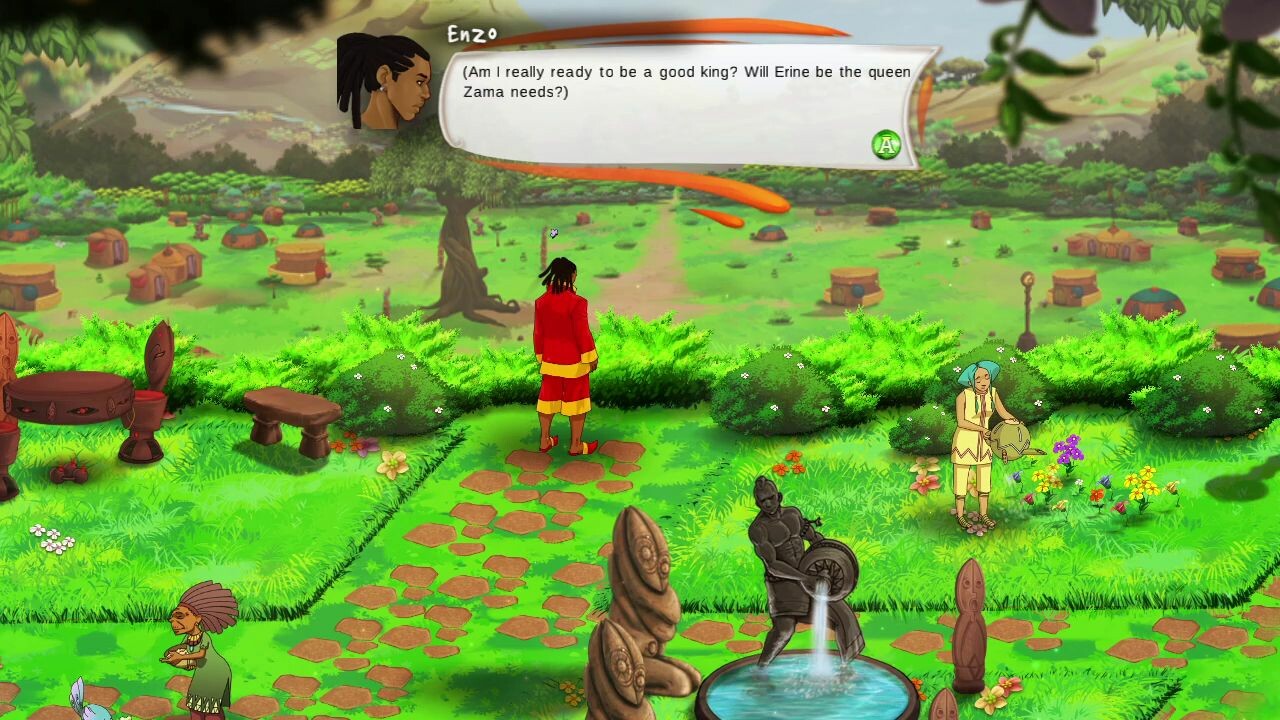
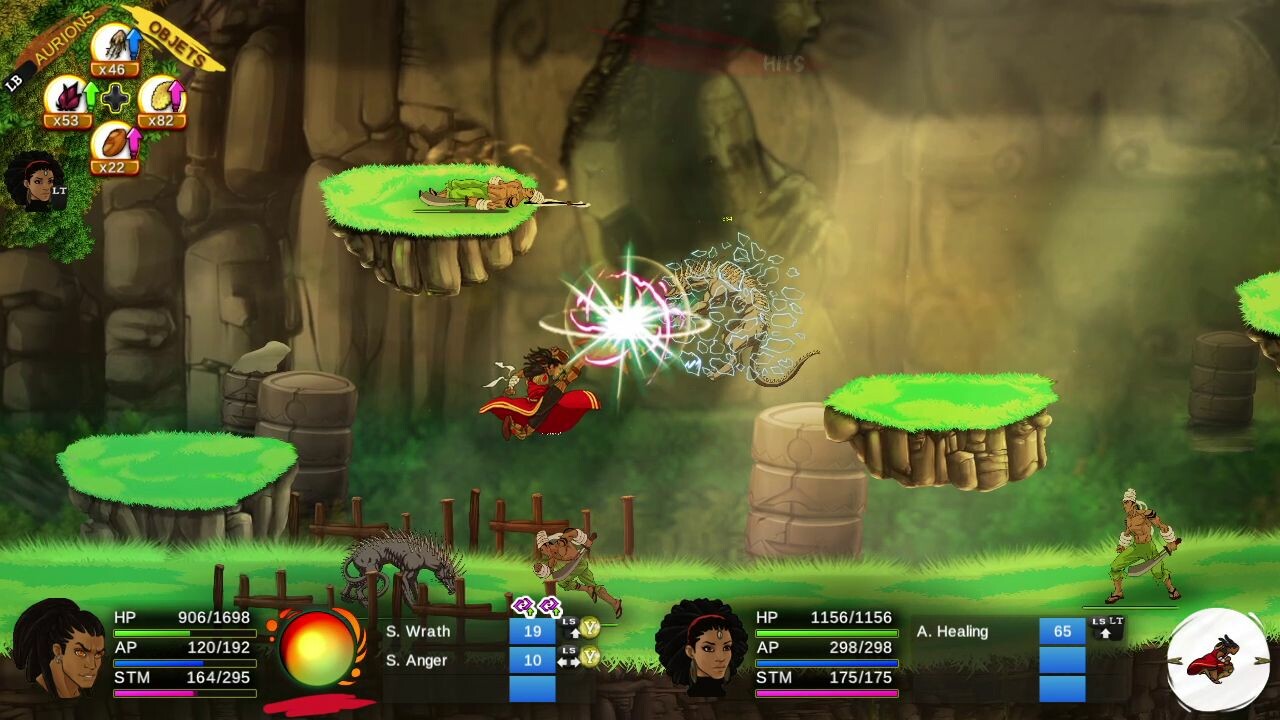
That is starting to change. African studios have been building games around local stories and settings for years. One of the best known is Aurion: Legacy of the Kori-Odan, an action RPG inspired by African fantasy from Kiro'o Games in Cameroon, which arrived on Steam in the mid-2010s and remains one of the best-known games from Central Africa.
Why it matters
Africa is where the next few hundred million new players will come from. Its population is the youngest of any continent, smartphones keep getting cheaper, and digital payments are spreading. The revenue numbers are still small, under $2 billion for 54 countries, but the curve is steep.
WGC's take: the opportunity is not just selling global hits to Africa but finding African hits for the world. The infrastructure is arriving: local payment rails, publishers that understand the market and growing studio scenes in Lagos, Nairobi, Cairo and Cape Town. For the global picture, see our market guide.
What to watch
- Whether Africa actually passes $2 billion and 400 million players when the 2026 numbers are counted.
- Local payment growth, the key to turning players into paying players.
- African-made games breaking through on Steam and mobile stores.