Inside The Game Awards Money Machine: 171 Million Streams and $1 Million Trailers
The Game Awards began in 2014 as one man's bet that games deserved their own Oscars. Eleven years later it is the most-watched night in games and one of the most valuable ad slots in entertainment. How the show really pays for itself.
In 2014, a Canadian games journalist put about $1 million of his own money into an awards show that no television network wanted to broadcast. Eleven years later, the same show was streamed an estimated 171 million times in a single night.
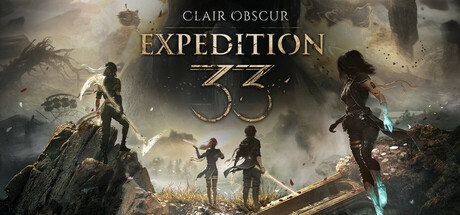
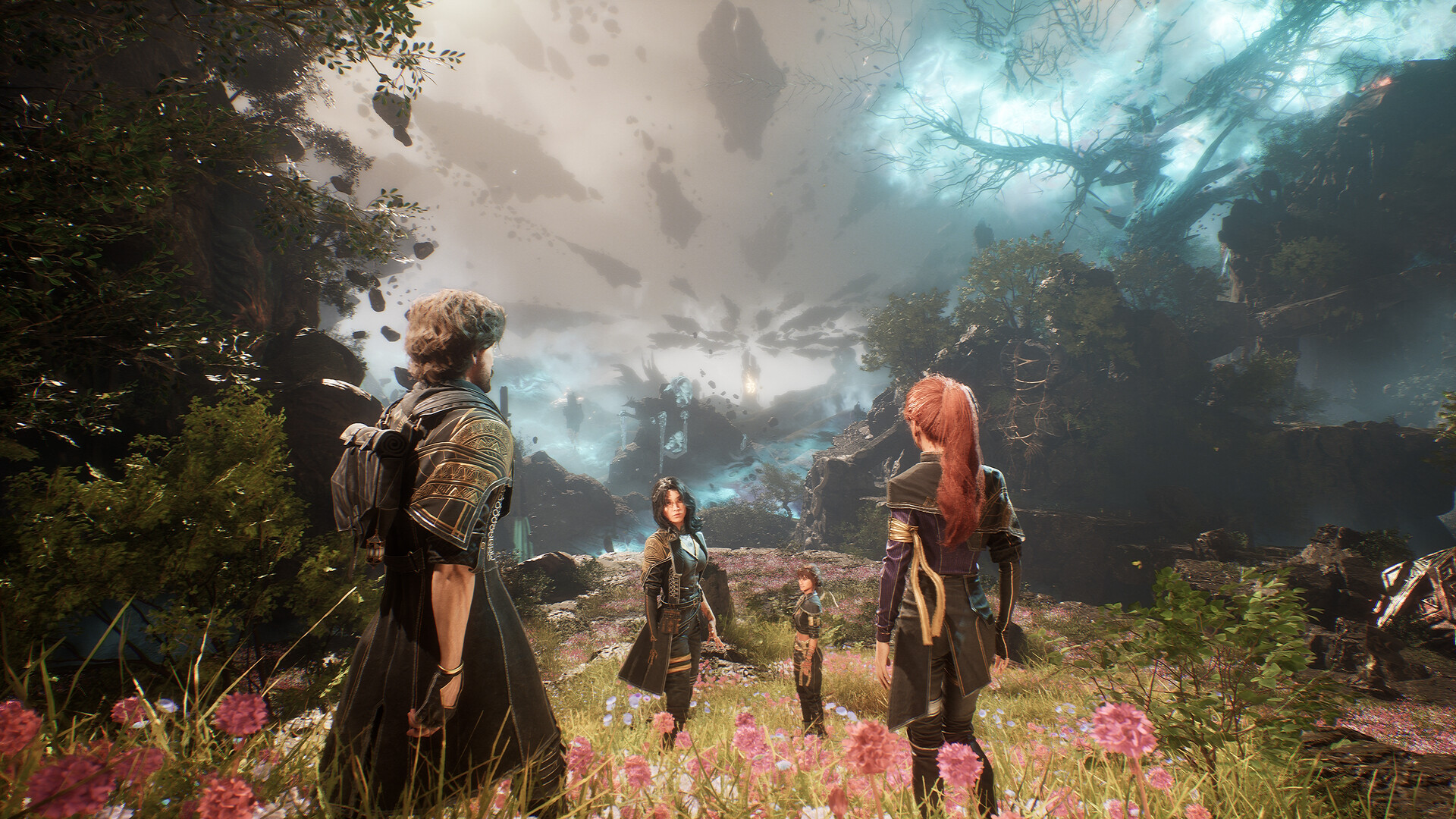
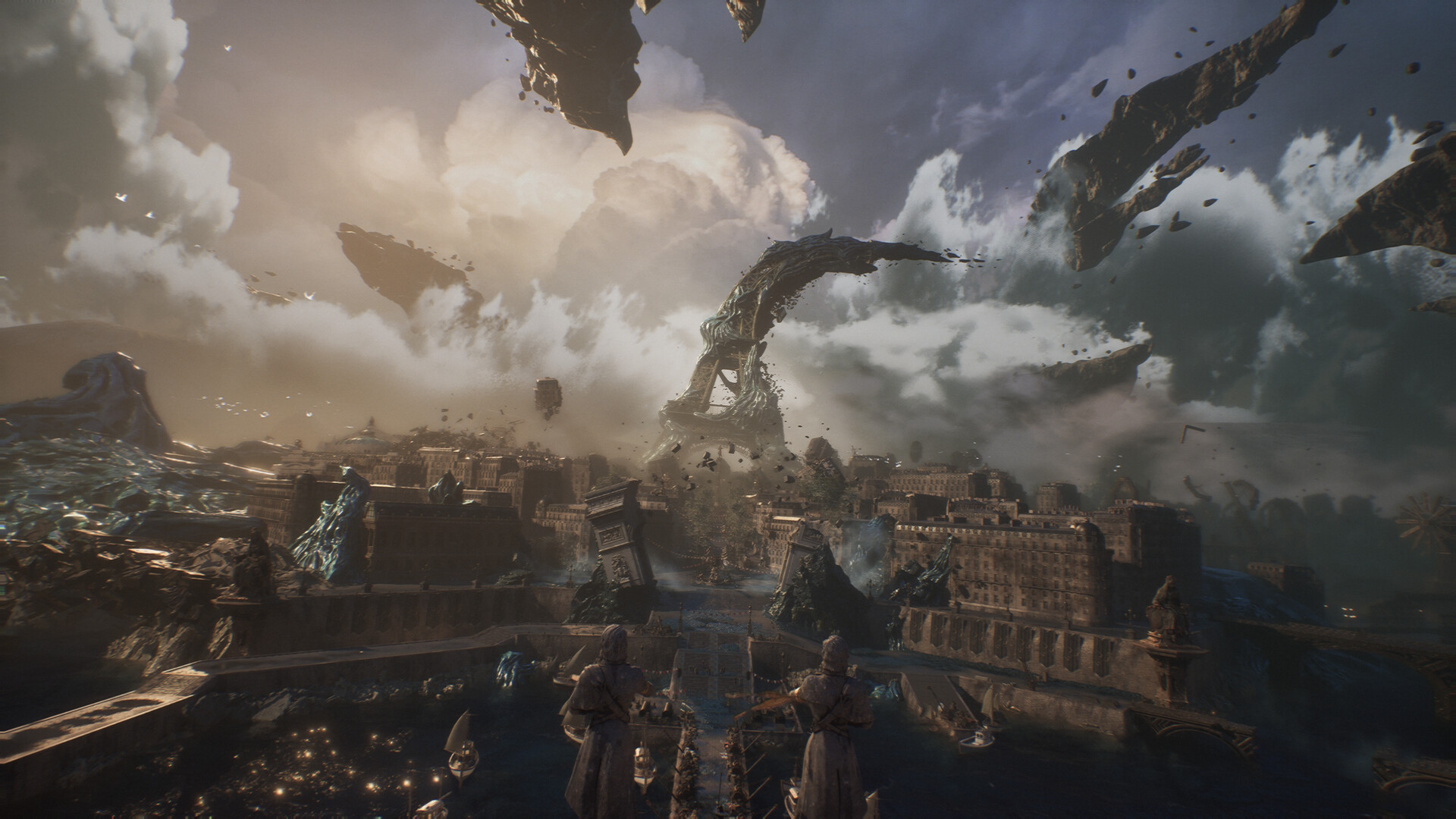
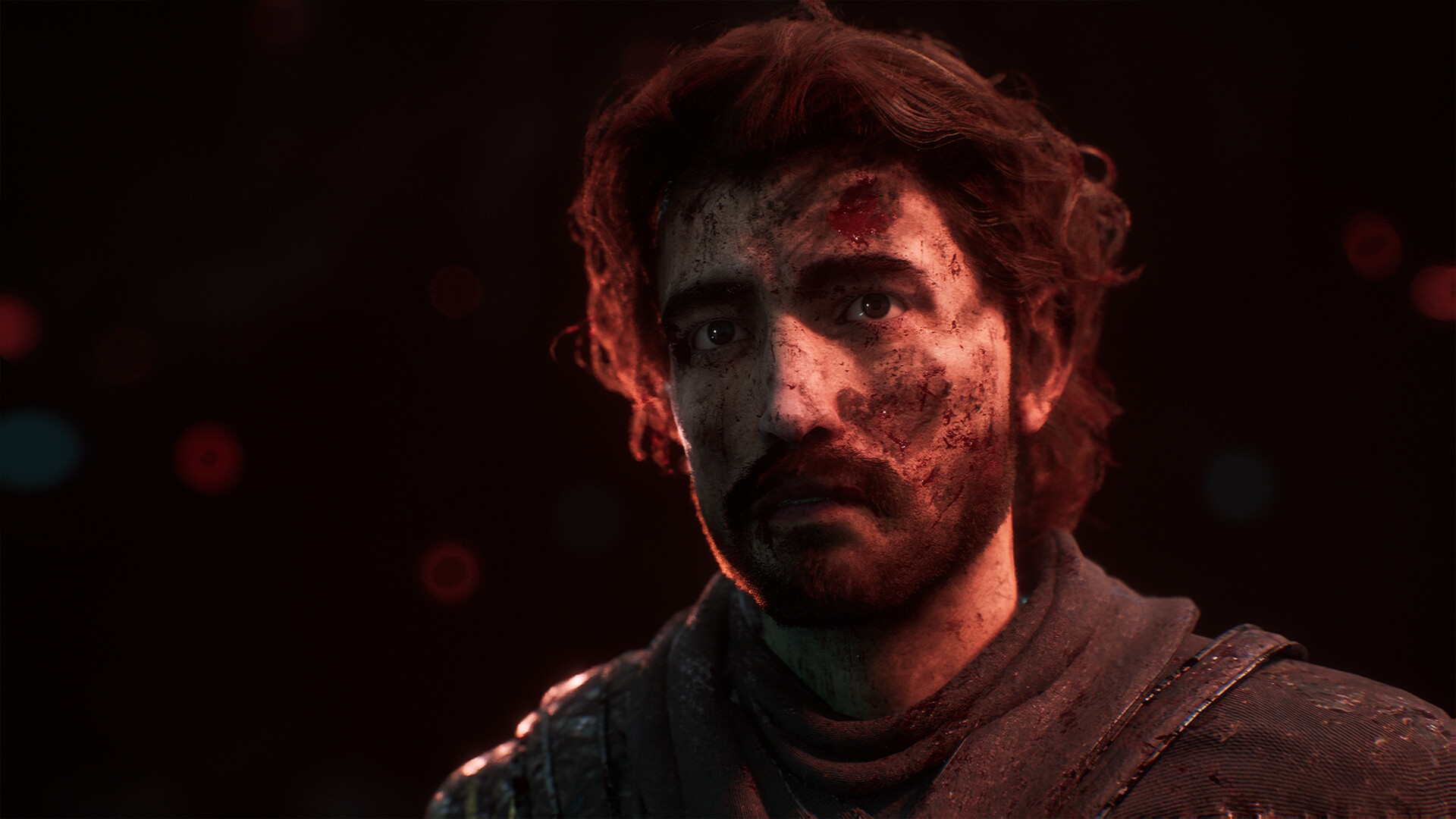
That journalist is Geoff Keighley, and the show is The Game Awards. Its 2025 ceremony, held on December 11, 2025, at the Peacock Theater in Los Angeles, set its eleventh straight viewership record, up 11% from 154 million livestreams in 2024. Clair Obscur: Expedition 33 took Game of the Year and eight other awards. The next show is on December 10, 2026.
Behind the trophies is one of the cleverest businesses in games. Here is how it works.
From cable TV to the open internet
Keighley's ambition goes back to his teens. He worked on Cybermania '94, the first televised video game awards show, and later said it inspired him to build an Academy Awards for games. From 2003 to 2013 he produced and hosted the Spike Video Game Awards on the Spike TV cable channel.
When Spike offered only a streaming show for 2014, Keighley walked away and started his own. He persuaded Sony, Microsoft, Nintendo and several large publishers to back it, added about $1 million of his own, and held the first Game Awards at The AXIS in Las Vegas in 2014. Since 2015, apart from the virtual 2020 edition, the show has lived at the Peacock Theater, formerly the Microsoft Theater, in Los Angeles.
The crucial decision was distribution. Instead of selling the show to a broadcaster, Keighley gave it away on every platform he could find, starting with console networks and Valve's Steam. He has turned down offers from TV networks since. That choice is the foundation of the whole business: a free show on every screen builds an audience no single channel could deliver.
A decade of exponential growth
The audience curve looks like a tech start-up's. The show says it drew 1.9 million livestreams in 2014, 11.5 million in 2017, 45.2 million in 2019, 83 million in 2020, 103 million in 2022, 154 million in 2024 and 171 million in 2025. Those counts exclude Amazon's Prime Video.
Much of the recent growth comes from two places. The first is co-streaming: Keighley lets creators rebroadcast the show on their own channels. In 2025 more than 8,600 YouTube channels and about 16,500 Twitch creators did so, up from 11,000 Twitch co-streamers the year before. The second is Asia. The 2025 show ran on more than a dozen Chinese platforms, including Bilibili, Huya and Douyin, on NicoNico in Japan, on JioHotstar in India, and in Korea on CHZZK and SOOP.
At its peak, the 2025 show had about 4.4 million people watching at once across Twitch, YouTube and other Western platforms. Fans also cast more than 123 million votes.
Where the money comes from: trailers
An audience that size is valuable, and the show's main product is not really the awards. It is the world premiere: a new trailer shown to tens of millions of engaged players at the same moment.
Publishers pay for those slots. The Game Awards does not publish a rate card, but in December 2025 Kotaku reported, citing people familiar with the show, that a 60-second trailer could cost up to $450,000 and a three-minute trailer more than $1 million. Two publishing sources said the figures sounded in line with previous years. For comparison, a separate report put Summer Game Fest's prices in 2024 at about $250,000 for one minute and $550,000 for two and a half minutes.
Not everything is paid. Keighley is known to give free slots to announcements and indie games he personally wants to champion,. But the commercial logic is plain: the awards create the reason to watch, and the trailers pay for the night.
A rough back-of-envelope calculation using 2024 YouTube views suggested an effective cost of about $70 per thousand viewers, but that assumes every viewer watched the whole show, which nobody believes. What publishers are really buying is the conversation the next morning.
The roll of honour shows how wide the net is. Game of the Year has gone to a role-playing epic (The Witcher 3, 2015), a team shooter (Overwatch, 2016), a co-op puzzle adventure (It Takes Two, 2021), a platformer from Sony's Japanese studio (Astro Bot, 2024) and, in 2025, a turn-based RPG from a French studio with a core team of about thirty. That variety is part of the pitch to advertisers: on this night, anything can be the headline.
The ticket problem
The live audience in the theatre is small by comparison, and that has caused friction. Developers of nominated games said in 2025 that studios typically received only two tickets to the ceremony. Clair Obscur's studio, Sandfall Interactive, which arrived with a record 12 nominations, reportedly bought a block of extra tickets at face value, about $300 each, while resale seats ran from $600 to $1,000. A former freelance writer on one nominated game said they could not find two seats together from resellers.
It is a small detail, but it captures a real tension. The people who made the year's best games are guests at a show whose economics revolve around the people selling next year's.
The criticism, and the balance
The complaint is as old as the show: too many ads, not enough awards. Critics argue the broadcast spends far more time on trailers than on winners. In 2023, some winners were cut off by music after about thirty seconds while celebrity guests spoke for minutes. In 2021, Keighley's opening statement on abuse in the industry was criticised for not naming Activision Blizzard. In 2025, the show's Future Class programme for emerging developers was put on indefinite hiatus after some past members said they had felt "tokenised".
The voting is also unusual. Winners are decided by a 90% jury and 10% fan split, and the jury is made up of more than a hundred media outlets. The show's advisory committee includes representatives from Microsoft, Nintendo, Sony and AMD.
WGC's view is that the criticism is fair and also a little beside the point. The Game Awards is a marketing event dressed as an awards show, and it has never pretended otherwise. The awards still matter, because a win sells games, but they are the frame, not the picture.
By the numbers
- 171 million: livestreams of The Game Awards 2025, up 11%
- 4.4 million: peak concurrent viewers on Western platforms
- 123 million+: fan votes cast
- $450,000: reported price of a 60-second trailer
- $1 million+: reported price of a three-minute trailer
- 2: tickets typically given to a nominated studio
- 90 / 10: jury and fan split in the voting
What to watch
The Game Awards 2026 takes place on December 10, 2026. Watch three numbers: whether the stream count passes 171 million again, how much of the broadcast goes to trailers rather than trophies, and which Korean studios buy or earn a slot. With Crimson Desert and other Korean console and PC games out this year, Korea has more contenders than ever.
Our pick of games to play from recent winners: Clair Obscur: Expedition 33 (2025), Astro Bot (2024) and Baldur's Gate 3 (2023).