Tetris (1984): From a Moscow Lab Computer to the Game Boy and Beyond
Alexey Pajitnov's falling-block puzzle crossed the Iron Curtain and became one of the best-selling games ever.
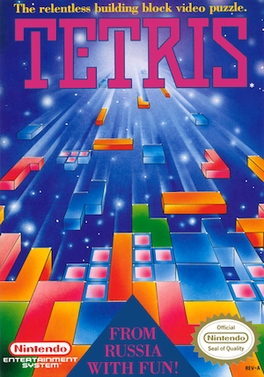
In June 1984, Alexey Pajitnov, a researcher at the Soviet Academy of Sciences' computing centre in Moscow, built a puzzle game on an Electronika 60 computer. Seven shapes made of four squares fall into a well; complete a line and it disappears. He called it Tetris.
Escaping the USSR
Copies spread across Soviet computers and then to the West. Because the state owned the rights, a tangled fight over licences for computers, arcades and consoles followed between several Western companies and the Soviet agency ELORG.
The Game Boy moment
Nintendo secured handheld rights and in 1989 bundled Tetris with the Game Boy. It was the perfect match: easy to learn, endless and ideal for short sessions, and it helped make the Game Boy a global hit.
Legacy
Pajitnov finally gained a share of royalties when he and Henk Rogers formed The Tetris Company in 1996. Tetris is still played everywhere today, from competitive classic tournaments to battle-royale versions.
Reference: Wikipedia, Tetris and Alexey Pajitnov.