Subway Surfers City: The Sequel 14 Years in the Making Meets a Giant Older Brother
Seven million pre-registrations, 27 million installs and a new city to run through. SYBO's first true sequel launched in February 2026. Why its biggest rival is the original game.
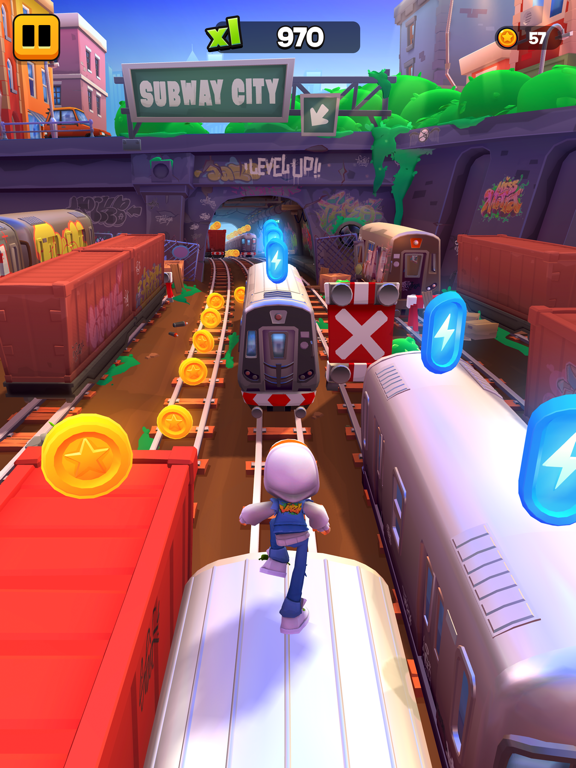
Somewhere right now, a phone is playing Subway Surfers. It might be on a bus in Jakarta, in a classroom in Mumbai, or in the corner of a TikTok video, running silently next to someone telling a story. The 2012 endless runner has been downloaded more than 4.5 billion times and still has over 100 million monthly players. Making a sequel to that is either brave or a little crazy.
SYBO did it anyway. Subway Surfers City launched worldwide on 26 February 2026 for iOS and Android, after more than 7 million pre-registrations and a long soft launch. In its first two months it reached an estimated 27 million installs and about $1.9 million in player spending, according to AppMagic figures.
What is new
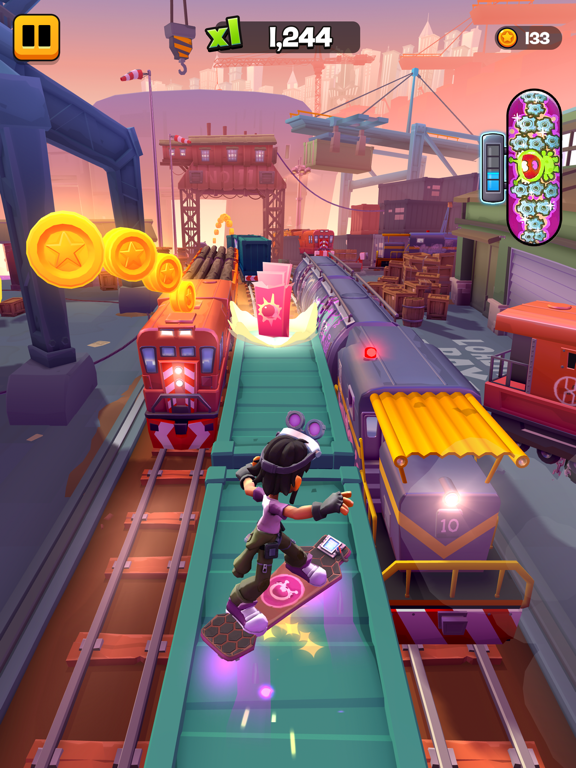
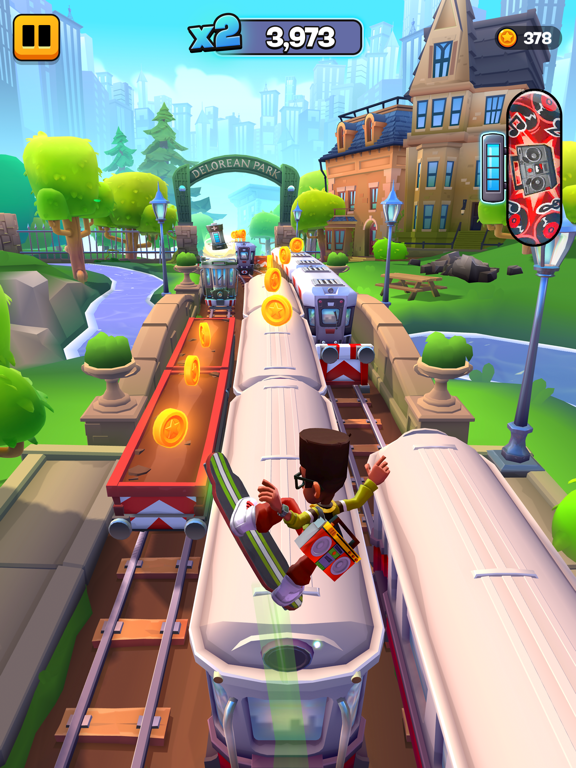
The basic idea has not changed: you sprint along train tracks, dodge trains and barriers, collect coins and keep running as long as you can. City moves the action from a single endless subway to Subway City, a place with several districts to explore, each with its own look and obstacles.
The sequel adds new mechanics, abilities and challenges, upgraded animation and a tougher difficulty curve. SYBO has described it as a second chapter that complements the original rather than replacing it, so both games continue to be updated.
The launch numbers
City had been available in the UK and Canada since July 2024, but spending there was tiny, around $500 a day. The global launch changed that. Day one brought about $45,000, and the best day came two days later, on 28 February, at about $74,000.
After that, the curve settled. March averaged about $39,000 a day, and April around $19,000. Spending was split between Google Play (about $1 million) and the App Store (about $881,000). The US was the top spending market at 32%, while India led downloads.
Those revenue numbers look small, but they miss the point. Like the original, City makes most of its money from ads. Players can pay to remove them or watch optional ads for rewards, and in a game with tens of millions of players, advertising is the real engine.
The big brother problem
The biggest challenge for City is not another studio. It is Subway Surfers itself. The original has about 167 times as many lifetime downloads as the sequel, and in the weeks after City's launch it still earned around $882,000 from in-app purchases, about 47% of what City made in the same period, while serving far more ads to far more players.
That is the paradox of sequels in mobile. A console sequel replaces its predecessor; a mobile sequel has to persuade people to leave a game they still have, still enjoy and have already invested in.
WGC's take
Subway Surfers City is a polished, well-made sequel, and 27 million installs in two months would be a dream for almost any game. But it lives in the shadow of one of the most downloaded games in history. Its success will depend on whether SYBO can give fans a good reason to run in two places at once, without making either game feel like the lesser one. That might mean new crossover events between the two games, or rewards that link them. For now, the old subway is still the busier station.