Splinterlands at Eight: The Oldest Card Battler in Crypto Keeps Going
It began as Steem Monsters in 2018, fled one blockchain for another in 2020 and is still adding features in late 2026. A look at how the browser card battler plays, and what critics say.
In crypto years, Splinterlands is ancient. It launched in May 2018, before most of today's blockchain games had a whitepaper, under a different name, Steem Monsters, on a blockchain most gamers have never heard of. Eight years later it is still shipping updates almost every week.
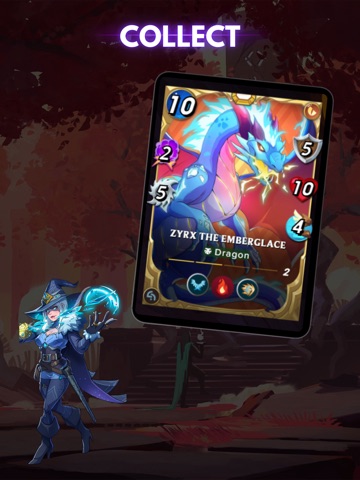
The latest arrived on 27 October 2026: Collector Achievements, which reward players for completing card sets, collecting bloodlines and chasing rare foil variants with ranked-play perks or land rewards. It follows a busy 2026 that included Collector Binders in July, a Hallow's Fall Halloween event in October and a series of balance and rules changes.
How it plays
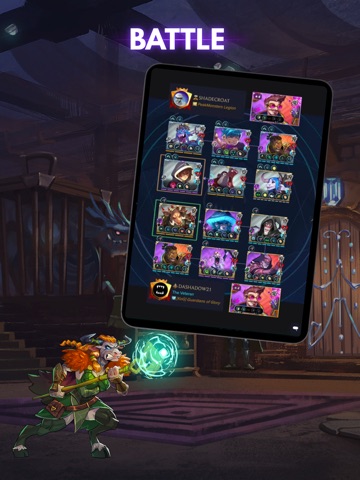
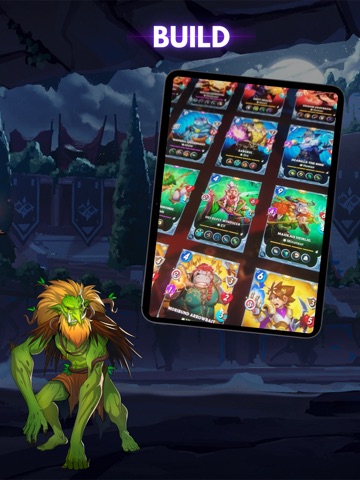
Splinterlands is a browser-based card battler where you build a team of creature cards and the fight then plays out automatically. The skill is in the preparation: each battle comes with rules and limits, and you choose which cards to field and in what order. Results feed a ranked ladder, and better rewards generally require stronger cards.
Cards are owned on the blockchain, and the game added a card rental market so newcomers could borrow powerful cards for small daily fees instead of buying them. In 2022, getting started cost about $10, payable in regular money or crypto.
A game that changed chains
Splinterlands grew up on Steem, a blockchain designed for social media. In 2020, after a split in the Steem community, a new chain called Hive forked off, and Splinterlands, then the most popular app on Steem, moved to Hive. The game has been one of Hive's flagship projects ever since, and much of its community overlaps with Hive's social network.
A year of tinkering
Splinterlands' 2026 changelog shows a team still fiddling with the details rather than coasting:
- 17 March: the Leonine bloodline is merged into Feliform.
- 30 June: the Visions of Verico land mini-set launches.
- 7 July: Collector Binders arrive, one free three-page binder per account.
- 6 October: the win-streak threshold in its Modern format drops to 3,000, alongside bug fixes for Modern Brackets.
- 13 October: Hallow's Fall opens, with Spooky and Haunted card skins in reward chests.
- 20 October: two cards, Kindred Spirit and Kindred Will, become immune to mimicking, and the Equalized Armor ruleset appears.
From the second October season, the cap on Modern Bracket winnings also doubled, from 2% to 4%.
The criticism
Analysts have long been tough on its design. A 2022 deep dive by games consultancy Naavik called it prone to feeling "pay-to-win" or "pay-to-play-to-earn", with layered progression gates that demand more time and money; pointed out that its zero-sum ranking means one player's gains are another's losses; and described the ecosystem, then spread across as many as four blockchains, as over-complicated.
Its main token, SPS, traded at about $0.0036 in late October 2026, a fraction of a cent. Token prices are volatile; this is a dated observation, not a forecast.
WGC's take
Splinterlands is the cockroach of crypto gaming, and we mean that as a compliment. It survived a chain split, a bull market and a long bear market by staying small, weird and community-run, with a steady drip of updates. It is not a game for everyone, and its economy has real pay-to-win problems, but few blockchain games can say they have been playable every year since 2018.