Pokémon TCG Pocket's $1.3 Billion Year: How a Card App Out-Earned Pokémon Go
A daily pack, a satisfying flick of the thumb and cards that move. Inside the first year of the most lucrative mobile Pokémon game ever, its trading misstep, and why it keeps working.
In the summer of 2016, people walked into lakes and lamp posts chasing Pikachu through their phone cameras. Pokémon Go became the mobile story of the decade, and for years it looked untouchable. Then, in late 2024, a much quieter app asked fans to do something far less athletic: open a pack of cards once a day.
That app, Pokémon TCG Pocket, launched on 30 October 2024 for iOS and Android. By its first anniversary it had earned close to $1.3 billion from players on the App Store and Google Play, according to AppMagic estimates. That is about $245 million more than Pokémon Go made in its own first year, and the best first year of any mobile Pokémon game. It also passed 150 million downloads in under twelve months.
A card game built for a thumb
The original Pokémon Trading Card Game is a sprawling hobby with 60-card decks, long matches and a binder habit that can empty a wallet. Pocket, made by DeNA with Creatures Inc. and The Pokémon Company, shrinks all of that to fit a bus ride.
Decks hold 20 cards. Energy arrives automatically from an energy zone instead of being drawn, so you never lose a game because your hand was all Pokémon and no fuel. The first player to score three points wins. A match can be over before your coffee cools.
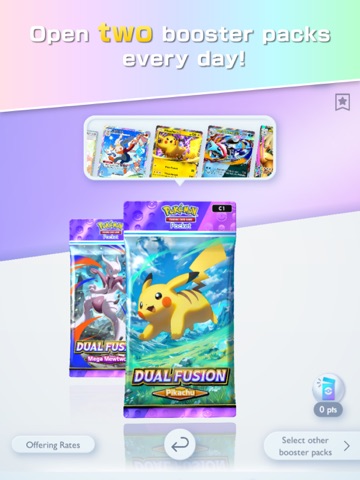
But the real engine is the pack. Every day the game hands you free booster packs, and opening one is a small ceremony: you drag your finger across the foil to tear it, the cards fan out, and a rare one shimmers. The rarest "immersive" cards go further: tap them and the artwork turns into a short animated scene that pulls you inside the illustration.
The numbers behind the year
The money did not trickle in. It flooded. November 2024, the first full month, was the game's biggest month at about $229 million. December 2024 and March 2025 were the next best. The single best day came on 1 February 2025, just after the Space-Time Smackdown expansion added more than 200 new cards, when players spent an estimated $11.2 million in 24 hours.
Downloads followed the same curve. The game reached 10 million installs in three days and 100 million in four months. In Japan it was the top-earning game during the Golden Week holidays of 2025, a period when the country's mobile charts are fiercely contested.
The effect on its maker was dramatic. DeNA's games segment sales rose by more than 8,000% after launch, and the company climbed to third place in a widely followed industry ranking of the top 50 mobile game makers of 2025.
By the numbers
- 30 Oct 2024: worldwide launch on iOS and Android
- ~$1.3 billion: player spending in year one (AppMagic estimate)
- ~$245 million: how much more it earned than Pokémon Go in year one
- ~$229 million: best month (November 2024)
- $11.2 million: best single day (1 February 2025)
- 150 million+: downloads in under a year
Two very different Pokémon hits
It is tempting to frame Pocket as the game that dethroned Pokémon Go, but the two barely compete. Niantic's 2016 hit asks you to leave the house, walk, and meet strangers at raids. Pocket asks you to sit still. One is built around place, the other around ritual.
What they share is a lesson about reach. Both games turned a brand that children grew up with into something adults could fit into a working day. Go did it with your daily walk; Pocket does it with your morning coffee. Neither requires you to know the competitive rules of anything.
The timing also matters. In 2025, Niantic sold its games business, including Pokémon Go, to Scopely, the maker of Monopoly Go. Just as the old champion changed hands, the new one was proving that the Pokémon audience on phones was even bigger than many had assumed.
The trading stumble
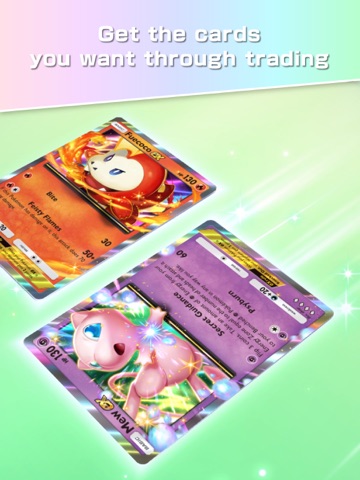
Not everything landed. Trading, the feature fans had wanted most, arrived in early 2025 with a catch: to trade, you needed trade tokens, and the main way to get them was to delete other cards you owned. For a game about collecting, asking players to destroy their collection felt backwards, and the reaction was loud.
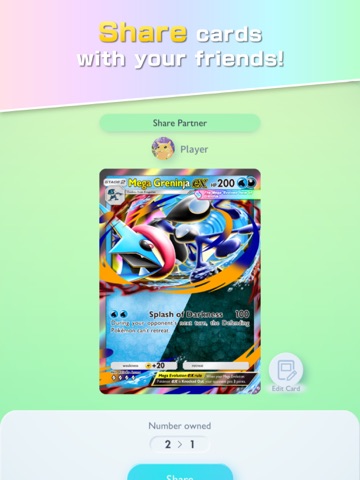
The developers listened. In March 2025 they promised to remove trade tokens entirely and rework trading around a currency players earn more naturally. It was a rare example of a big mobile game reversing a monetisation design within weeks, and it bought real goodwill.
Why it works
Plenty of games have tried to put collectible cards on phones. Pocket worked for three reasons.
It respects your time. The core loop takes about a minute: open your daily packs, check your Wonder Picks, maybe play one battle. You can play it seriously for hours, but you never have to.
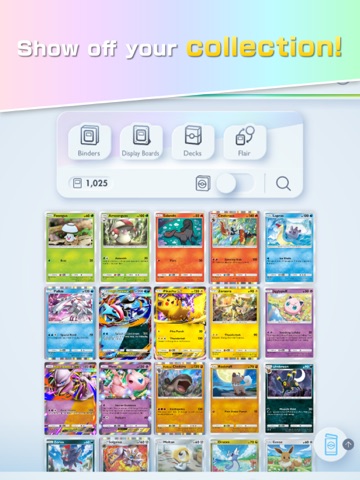
It sells the feeling, not the rules. Most fans of Pokémon cards do not play the tabletop game competitively. They love the art and the rush of opening a pack. DeNA built the app around that moment first and the battle system second.
It drops new things on a schedule. New cards arrive at the end of every month, so there is always a reason to come back. A paid subscription adds one extra free pack a day, a predictable deal compared with paying for each pull. The latest expansions have brought back fan favourites such as Mega Evolution.
The worries
Success brings scrutiny. Like any game built on random packs, Pocket lives and dies by how generous it feels. Players watch rarity rates closely, and every expansion is judged by how many packs it takes to finish a set. Competitive players also want deeper rules and better tournament support than a quick-play app was first designed for.
There is also the question of pace. Monthly releases keep players busy, but they also create fatigue. The challenge for year two is to keep the "just one more pack" feeling without turning a relaxing ritual into a chore.
What to watch next
- Expansion cadence: watch whether monthly drops keep spending steady or start to tire players out.
- Trading and events: after the token reversal, trading features are a test of trust.
- Competitive play: any move toward official tournaments would change who plays.
WGC's take: Pokémon TCG Pocket proved that the biggest mobile hit does not need to be the most complex. It found the one moment every Pokémon fan loves, opening a pack, and made it beautiful, daily and free. The trading mistake showed the limits of how hard a game can push, and the fast fix showed a team willing to listen. For a card app to outrun Pokémon Go in its first year is remarkable. For it to stay this loved in year two, it needs to keep feeling like a gift rather than a bill.