Pokémon GO at Ten: The April Fools' Joke That Got the World Walking
It began as a Google Maps prank, sent strangers running through parks in the summer of 2016, and sent Koreans to Sokcho by the busload. A decade on, Pokémon GO is still out there.
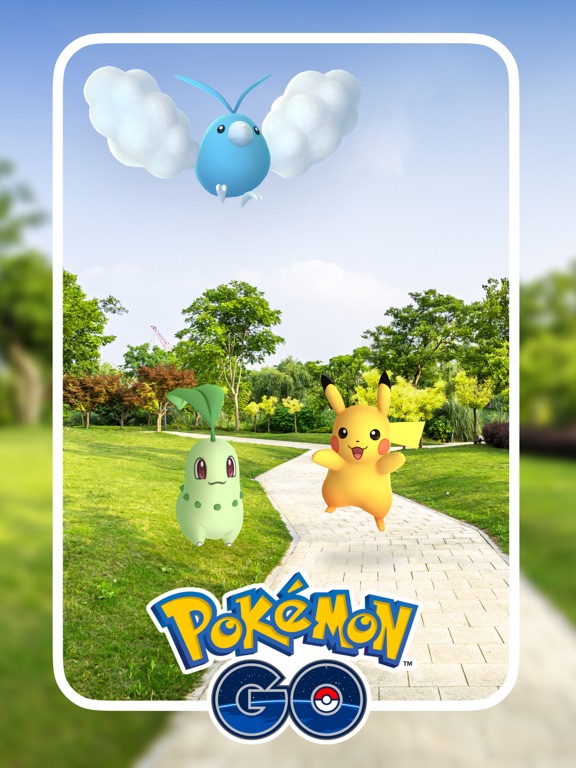
In July 2016, something strange happened in Central Park. Hundreds of people sprinted across the grass at night, phones held out in front of them, shouting a single word: Vaporeon. Similar scenes played out in Sydney, Tokyo and, a few weeks later, in a small seaside city in South Korea that suddenly found itself the most popular destination in the country.
That was Pokémon GO, which launched on 6 July 2016 in the United States, Australia and New Zealand. In 2026 the game turned ten, and it is still one of the most-played mobile games on Earth. Here is how a prank became a phenomenon, and why it never really went away.
A joke, a map and an old idea
The story begins on 1 April 2014, when Google Maps ran an April Fools' Day feature called the Pokémon Challenge, inviting users to find Pokémon hidden around the world map. It was built by Google engineer Tatsuo Nomura as a side project.
The joke landed with John Hanke, whose team at Niantic Labs, then still inside Google, had built Ingress, a location-based game in which players fought over real-world landmarks. Hanke saw that the two ideas fit together perfectly. Niantic was spun out of Google in 2015, and the game was announced on 10 September 2015 with The Pokémon Company and Nintendo.
The summer the world went outside
Nothing prepared anyone for the launch. Pokémon GO reached 10 million downloads in its first week, the fastest app to do so at the time, and passed 100 million by the end of July 2016. In the US, one survey counted about 21 million daily players within a week of launch.
The game made money as fast as it made headlines: $100 million in just 20 days. By August, Guinness World Records had awarded it five records, including the highest first-month revenue for a mobile game, $206.5 million, and the most downloads in a first month, 130 million. It topped the download charts in 70 countries at once.
The rollout continued country by country. Japan's launch slipped from 20 to 22 July after a leak about a McDonald's partnership. Servers buckled, players crowded parks and museums, and police in several countries issued warnings about walking into traffic while staring at a phone.
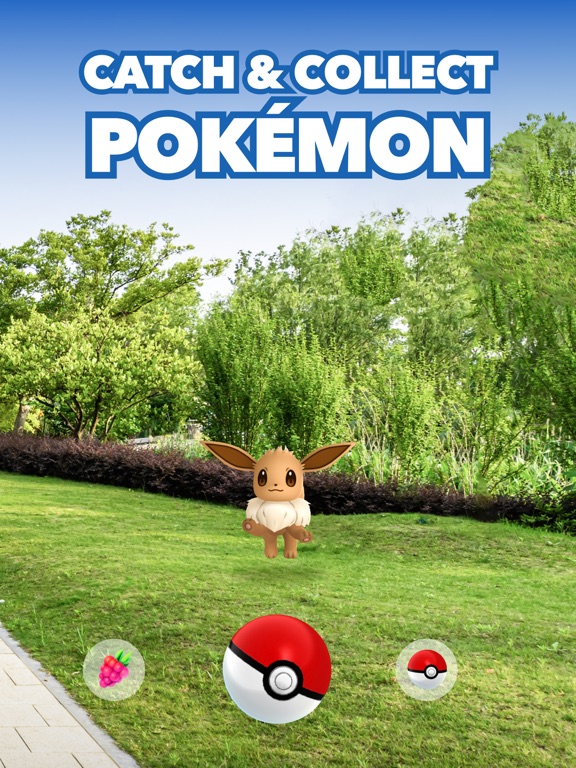
Part of the magic was how little the game asked of you. You didn't need to understand type matchups or stats to have fun. You walked, a Pokémon appeared on the map, and you flicked a Poké Ball at it with your thumb. For people who had grown up with the Game Boy games in the late 1990s, it felt like the childhood fantasy finally made real: the creatures were out there, in your street, waiting. For people who had never played a Pokémon game, it was simply the thing everyone was doing that summer, and the easiest way to join in.
Sokcho: Korea's accidental Pokémon capital
South Korea was not on the launch list, mainly because of restrictions on the export of online mapping data. Then players noticed something odd: the game worked in and around Sokcho, on the east coast of Gangwon Province.
The reason was a mapping quirk. Niantic divided the world into regions, and Sokcho fell into the area the game treated as part of North Korea, which was not blocked. Within days, bus tickets from Seoul to Sokcho sold out, and the city leaned in, with local businesses sharing free Wi-Fi spots with visitors. Parts of Busan also briefly became playable, because they fell into the region mapped as Japan.
Pokémon GO officially launched in South Korea on 24 January 2017, six months after the rest of the world. Even then, the first weeks brought crowds to the plazas and parks of Seoul, as players who had waited half a year finally caught up.
From fad to fixture
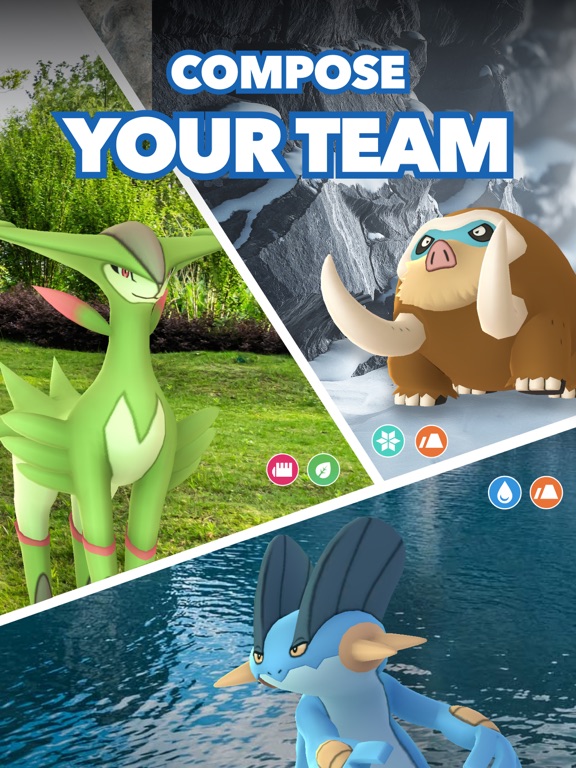
Many critics predicted the game would vanish by autumn. Usage did fall from the summer peak, but Niantic kept adding reasons to come back:
- 2016: the Buddy system and the Pokémon GO Plus wearable.
- 2017: new generations of Pokémon, a Gym revamp and Raid Battles, cooperative fights that pull players together in person.
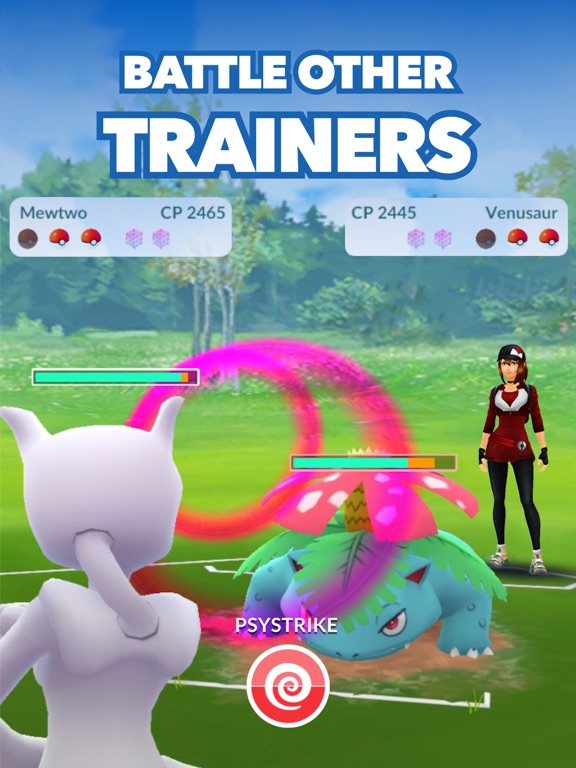
- 2018: the first Community Day, trading and friends, and player-versus-player Trainer Battles.
- 2020: the competitive GO Battle League, Mega Evolution, and remote raids that let people play together during pandemic lockdowns.
- 2024: Dynamax and Gigantamax battles.
Community Day turned out to be the masterstroke. Once a month, for a few hours, one Pokémon appears everywhere, often with a special move, and parks fill with players who have come out together. It gave lapsed players a simple, regular reason to open the app, and it made the game feel like a local event as much as a global one.
Revenue followed. The game passed $1 billion by February 2017, the fastest mobile game to do so at that time, and its best year came in 2020, when people played closer to home.
A new owner for a new decade
In 2025, Niantic sold its games business, including Pokémon GO, Monster Hunter Now and Pikmin Bloom, to Scopely for about $3.5 billion. Niantic's mapping and augmented reality work was spun off into a separate company. Scopely, the US studio behind Monopoly GO!, now develops and publishes Pokémon GO.
For players, the most visible changes have been content: a higher level cap, new raid types in 2026, and a Pokédex of more than 950 Pokémon by mid-2026.
By the numbers
- 1 April 2014: the Google Maps Pokémon Challenge prank.
- 6 July 2016: launch in the US, Australia and New Zealand.
- 20 days: time to reach $100 million in revenue.
- 130 million: downloads in the first month.
- 24 January 2017: official South Korean launch.
- February 2019: more than 1 billion downloads.
- About $3.5 billion: Scopely's price for Niantic's games business in 2025.
Why it still matters
Pokémon GO proved that a phone game could change how people use public space. It filled parks, gave shops a reason to put out lures, and made millions of people walk further than they meant to. It also showed that augmented reality, digital objects placed into the real world, did not need expensive glasses to catch on; a phone and a good idea were enough. Ten years on, it is also a rare example of a mobile game that whole families play together, with grandparents, parents and children sharing the same raids on a Saturday morning.
Its success inspired a wave of location-based games, from Niantic's own Monster Hunter Now to many others that tried and failed to catch the same lightning.
What to play next
If you stopped playing in 2016, it is a different game now, with raids, trading and battles. It's free on iOS and Android. For more games to play with friends in person, see our co-op guide, and for the full list of free games worth your time, our free games guide.