Paralives: The One-Man Life Sim That Grew Into a Million-Seller
Alex Massé quit his job in 2019 to build a rival to The Sims, funded by fans on Patreon. Seven years later, Paralives sold a quarter of a million copies in eight hours. The long road to early access.
For more than two decades, one series has owned the life-simulation genre: The Sims. Plenty of studios have looked at it. Very few have dared to compete. In January 2019, a designer named Alex Massé quit his job and decided to try anyway, on his own.
The result, Paralives, entered Steam early access on 25 May 2026 at $39.99 for Windows and macOS. It sold about 250,000 copies in its first eight hours and roughly 1 million in its first month, making it one of 2026's biggest indie launches.
A one-person dream
Massé started Paralives alone and announced it in June 2019. The pitch was simple: a modern life sim made by a small team that listens to its players, with deep building tools, expressive characters and a fair business model.
He chose to fund development through Patreon, the membership platform where fans pay a monthly amount to support creators. He was inspired by Ooblets, another indie game that had used Patreon successfully. By November 2023, Paralives had more than 15,000 supporters contributing over $35,000 a month, enough to grow a real studio. By June 2025, Paralives Studio had 14 people.

No paid DLC
One promise set Paralives apart from the start. The studio has said there will be no paid DLC, only free updates. For a genre in which The Sims 4 has built a huge catalogue of paid expansions and packs, that is a pointed choice, and many fans saw it as the clearest reason to back the project.
The long road to launch
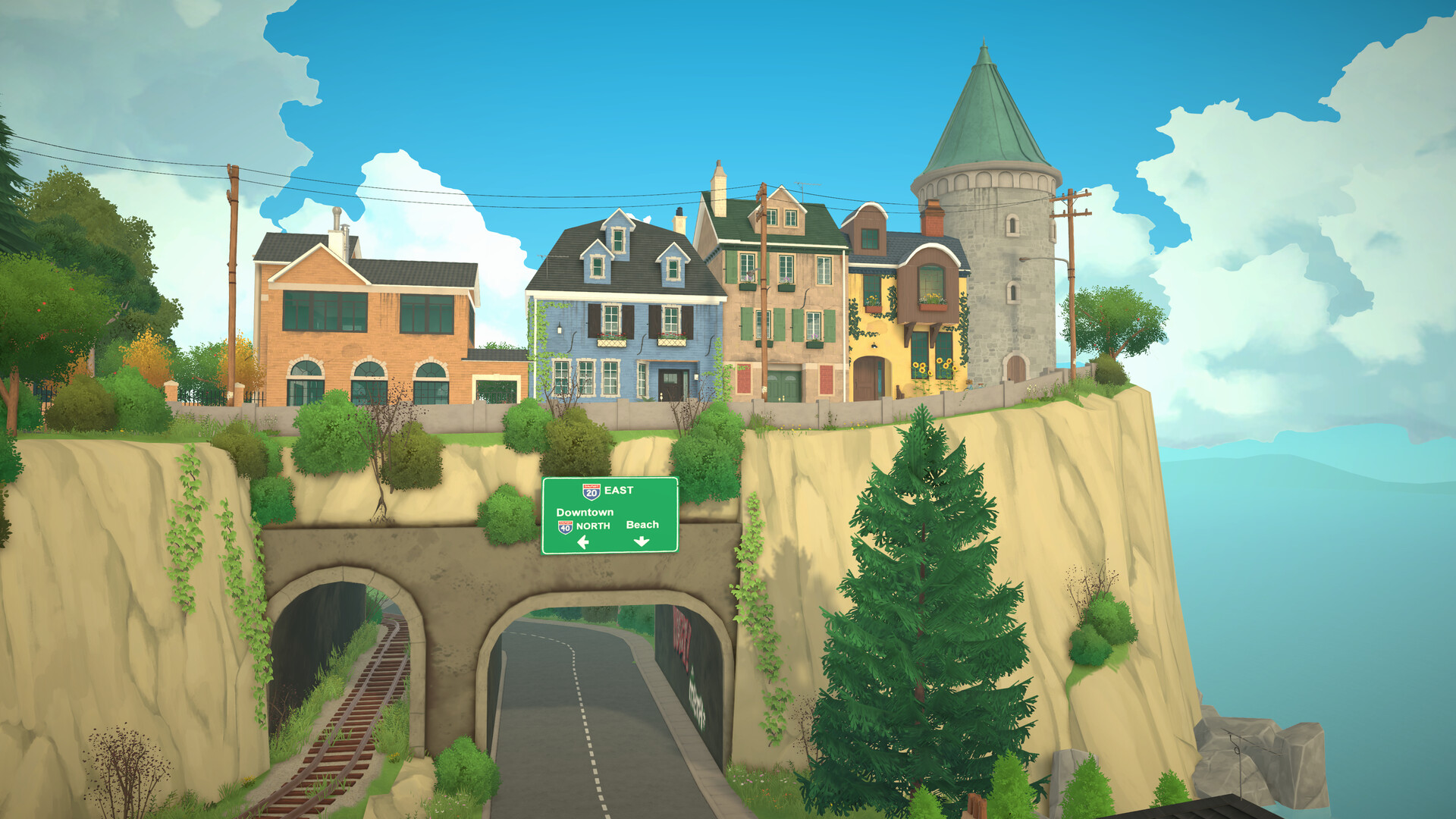
Paralives became a fixture of indie showcases. It appeared at Wholesome Direct in June 2021, at Montreal Comiccon in July 2024, and revealed its early-access date at the PC Gaming Show on 8 June 2025. The studio then pushed the launch back to May 2026, saying the game was not yet up to its standards.
That delay could have hurt. Instead, the wait seems to have built even more demand, and the launch-day rush proved it.
By the numbers
- January 2019: development begins
- June 2019: public announcement
- 15,000+: Patreon supporters by November 2023
- 14: team size by June 2025
- 25 May 2026: Steam early access launch
- $39.99: early-access price
- About 250,000: copies sold in the first eight hours
- About 1 million: copies sold in the first month
- About 2 years: planned length of early access before version 1.0
Why it caught fire
A real alternative. Life-sim fans had been asking for competition for years. Paralives was the most visible indie attempt, and it had been in public view since 2019.
Community ownership. Patreon supporters were not just customers. They funded the game, followed its development and spread the word. By launch, Paralives had a ready-made fan base.
A business model fans trust. The no-paid-DLC pledge turned a feature list into a values statement, and players rewarded it.
What's next
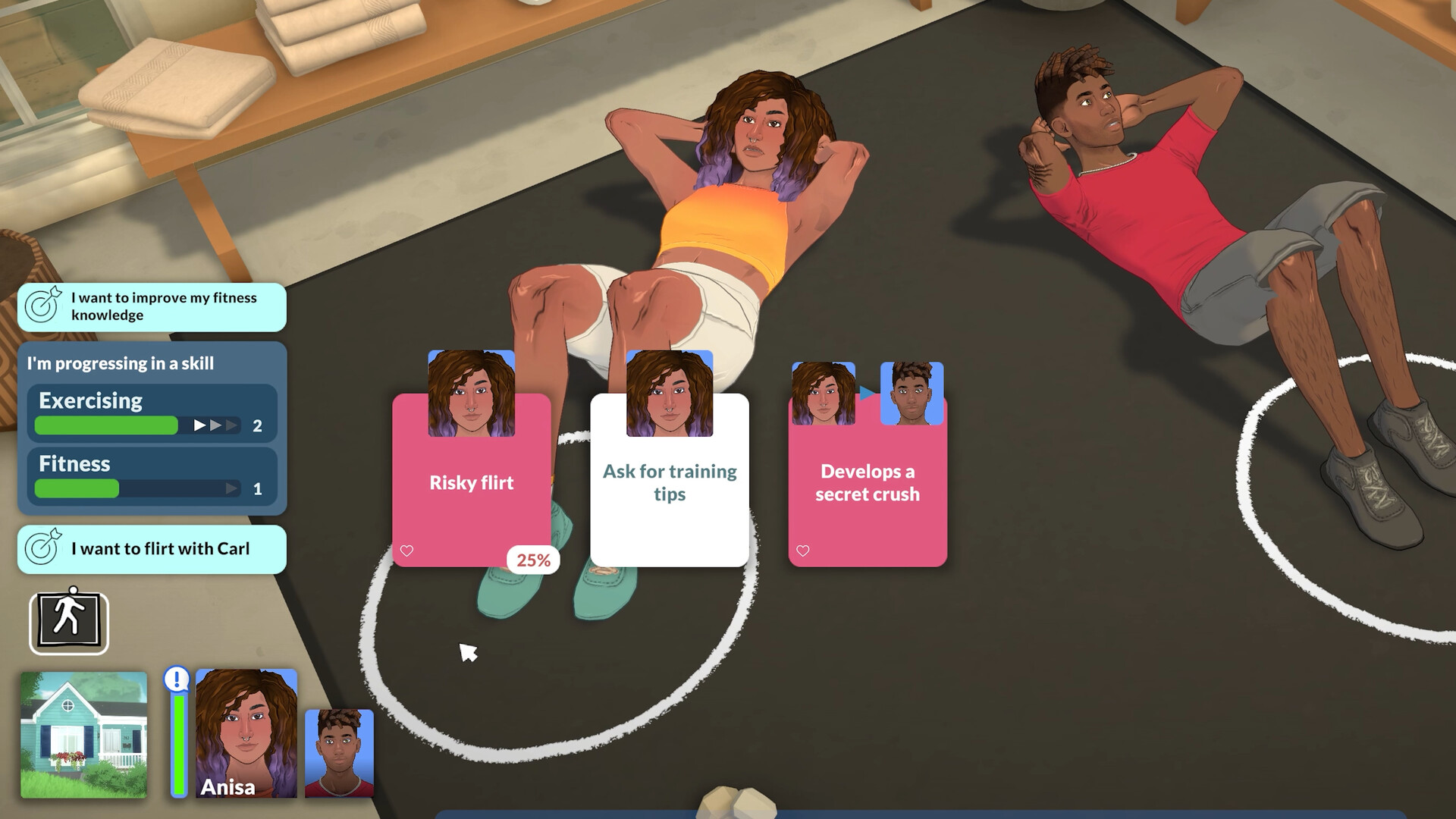
The studio's roadmap estimates about two years of early access before 1.0. That is a long road, and life sims live or die on content: new careers, objects, neighbourhoods and life events. Paralives has the funding and the goodwill. Now it needs to keep shipping.
WGC's take: Paralives is a model for crowdfunded indie development done right. Massé built in public, kept his promises and gave players a reason to believe. For another 2026 indie that rode years of anticipation to a huge launch, read our feature on Big Walk (Big Walk).