Subscription, Free-to-Play or 'Lineage-Like'? How MMORPGs Make Money in 2026
The hottest new MMO in Korea this year charges a monthly fee from 2003. A Steam launch sold for $29.99 is praised for having no shop. And Korea's biggest gacha case is still in court. A guide to the business models behind the games you play.
In February 2026, the most talked-about new MMORPG in Korea did something that sounded almost reckless. It charged a monthly subscription. Lineage Classic costs 29,700 won a month, exactly what Lineage charged two decades ago, and it has no auto-hunting and no paid lucky boxes. Within weeks it had made more than 40 billion won.
That one launch says a lot about where the MMO business is in 2026. After fifteen years in which free-to-play with paid probability items seemed to be the only model that mattered, the genre is splitting into several, and players are choosing with their wallets. Here is how each one works.
The subscription: the oldest model, back in fashion
Subscriptions are where online RPGs began. Korea's first graphical MMORPG, Baram, started charging a flat monthly fee of about 40,000 won in November 1996. The idea is simple: everyone pays the same, and nobody can buy power.
The model never died in the West. Final Fantasy XIV is the flagship, with more than 35 million registered accounts and a monthly fee on every platform. When it arrived on Nintendo Switch 2 in August 2026, Square Enix asked Switch players to pay a separate subscription, softened with a 50% discount for anyone already subscribed elsewhere. It also uses the oldest trick in the book to lower the barrier: a free trial that now covers the base game and three expansions with no time limit.
What is new is the return of subscriptions in Korea. Lineage Classic's success shows there is an audience, many of them players who first met Lineage in PC bangs as students, who would rather pay a fixed fee than compete with big spenders.
Buy once, play forever
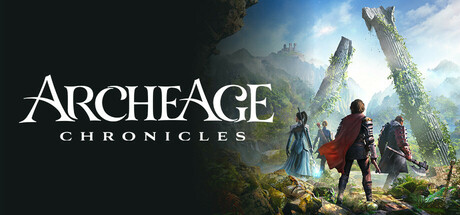
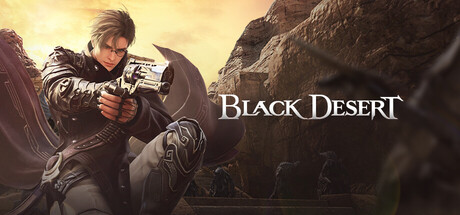
The second model is buy-to-play: a one-off price and, ideally, a shop limited to cosmetics. Black Desert has used it in the West for years; its base game costs $9.99 on Steam. ArcheAge Chronicles, which entered Steam early access on November 3, 2026, costs $29.99 (36,000 won in Korea) with no additional fees.
The reaction to Chronicles shows how much players value this. Even with progression-blocking bugs and serious performance problems at launch, Korean coverage of its Steam reviews listed "no pay-to-win" and the reasonable price among its most praised points.
Free-to-play, and the 'Lineage-like'
The model that dominated Korea for the last decade is free-to-play with paid random items. Korean players even have a name for the most extreme version: the "Lineage-like", a mobile MMO built around auto-battle, server-wide wars and probability boxes that reward the biggest spenders.
It made fortunes. Lineage M, launched in June 2017, took $233 million in its first 30 days and more than $1 billion in its first year. Netmarble's Lineage II: Revolution made $176 million in its first 30 days in Korea.
It also made enemies. In January 2024, the Fair Trade Commission fined Nexon 11.6 billion won, the largest penalty ever on a Korean game company, for secretly lowering the odds on MapleStory's Cubes, which made up about 30% of the game's sales. Nexon is still contesting the fine in court (the case explained).
The rules changed
Korea responded with some of the strictest loot-box rules anywhere. Since March 22, 2024, games must disclose the types and odds of their probability items. A December 31, 2024 amendment made companies prove they were not at fault when odds are wrong, with damages of up to three times the loss for intentional cases.
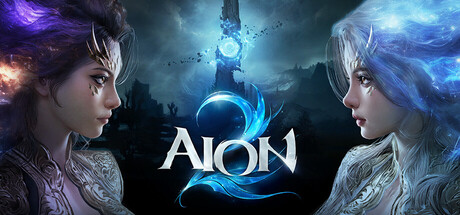
New games adapted fast. AION 2 launched in Korea in November 2025 promising no power for sale. When players found power items in the shop anyway, NC held an emergency broadcast about 15 hours after launch and pulled them; its producer said the team had been "complacent and unthoughtful." What followed is the model many Korean MMOs now aim for: monthly memberships, battle passes and cosmetics. In its first week, about 275,867 accounts bought an AION 2 membership.
Hybrids everywhere
In practice, most big MMOs now mix models. Lost Ark is free-to-play, but in the West it has sold Crystalline Aura, a paid subscription-style perk, and a 12-month Crystalline Plus bundle; both are being wound down ahead of the game's move from Amazon to Smilegate. AION 2 is free, yet it topped Steam's revenue-ranked top-sellers chart on day one because players bought Founder's Packs priced at $24.99, $49.99 and $99.99 for a five-day head start. Throne and Liberty, also free, is welcoming players back under NC with a free level 75 gear boost rather than a paid one.
Even buy-to-play games run aggressive sales. For its anniversary in early 2024, Black Desert's base game was sold for €1, 90% off, to pull in new players who might later buy cosmetics. The lines between subscription, purchase and free-to-play are blurring. What players increasingly judge is simpler: can money buy power, and are the odds honest? Every model in this guide is ultimately trying to answer those two questions well.
Who runs the shop matters too
Business models are not only about what you sell, but who sells it. In August 2026, Amazon announced it would stop publishing Lost Ark and Throne and Liberty, handing them back to Smilegate and NC. NC now publishes AION 2 globally on its own PURPLE platform and Steam, and XLGAMES self-publishes ArcheAge Chronicles. Cutting out the middleman means keeping more revenue and controlling the shop directly.
Korea has one more channel the rest of the world mostly lacks: the PC bang. Lineage Classic is included at NC's partner internet cafés with no separate purchase, and players there earn bonus currency by playing time. Lost Ark's eighth-anniversary events reward PC bang players with growth materials. The café owner pays; the player gets perks; the publisher gets a steady, invisible revenue stream.
By the numbers
- 29,700 won: Lineage Classic's monthly fee, unchanged from two decades ago.
- 40 billion won+: Lineage Classic's revenue in under three weeks.
- $1 billion+: Lineage M's first-year revenue.
- 11.6 billion won: Nexon's FTC fine over MapleStory's Cubes.
- 275,867: AION 2 accounts that bought a membership in week one.
- $9.99 / $29.99: Black Desert's base price and ArcheAge Chronicles' early-access price on Steam.
What to watch
The next year will test all of these models at once. Final Fantasy XIV: Evercold will show whether a subscription MMO can still deliver a blockbuster expansion in February 2027. Lineage Classic must prove that nostalgia subscriptions last beyond the first year. AION 2 has to keep its cosmetics-first promise as its global audience grows. And the Seoul High Court's ruling on Nexon's fine will decide how far regulators can reach back into the gacha era.
WGC's take: for players, this is the best moment in years. You can pick a subscription with no shop, a one-off purchase with no pay-to-win, or a free game with a membership and cosmetics, and Korean law now forces the odds into the open. The model where a few whales fund everyone else is not dead, but for the first time in a long while, it has real competition.