Meccha Chameleon: Two Developers, Two Months, 15 Million Copies
A hide-and-seek game where you paint yourself to match the wall became 2026's runaway hit, outselling some of the year's biggest-budget blockbusters. How it happened, and what it says about the age of 'friendslop'.

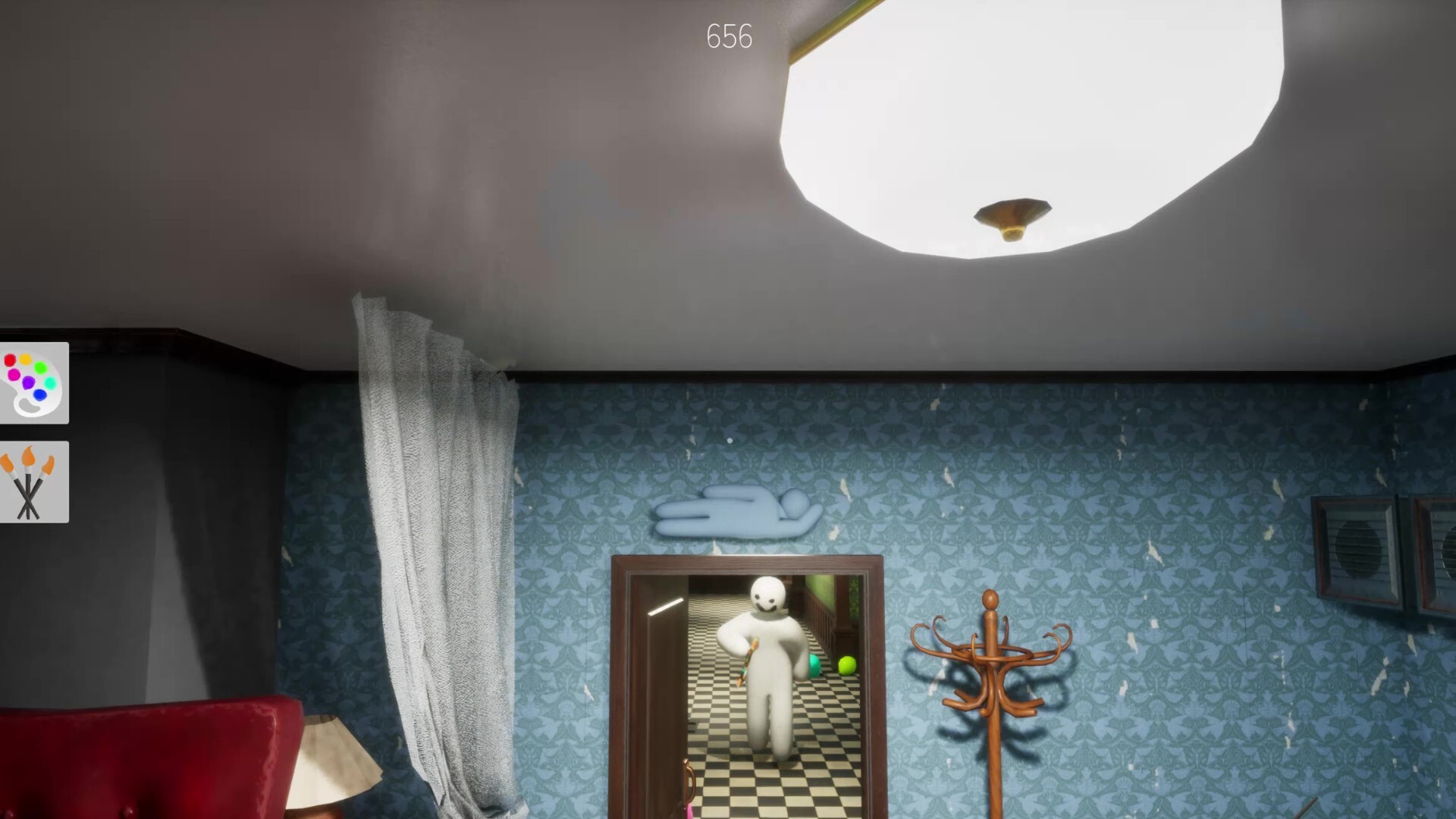
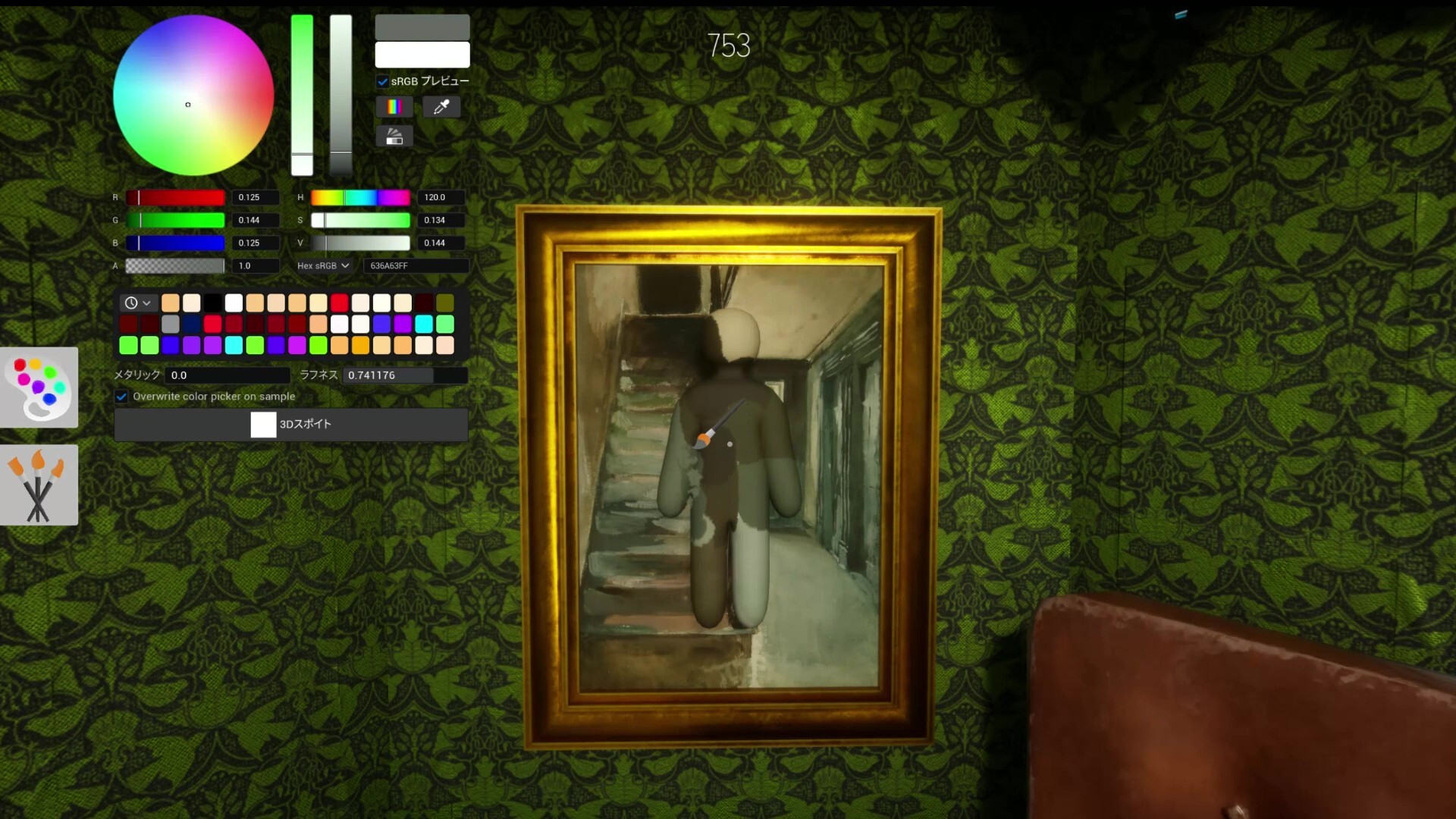
Picture a white, featureless figure standing in front of a striped wall. It has a spray can. In thirty seconds it has painted itself into a near-perfect copy of the stripes, struck a pose against the wall, and gone quiet. Somewhere across the map, a friend with a timer is hunting it down and laughing on voice chat. That is the entire game, and in 2026 it may have been the most-played idea on PC.
Meccha Chameleon launched on Steam on 9 June 2026, priced under $6. Made by two developers in Japan, credited as lemorion_1224 and Haganeiro, it sold 1 million copies in four days, about 3 million within a week, 10 million by 26 June and 15 million roughly 25 days after launch. At its peak around 340,000 people were playing at the same time on Steam.
Hide-and-seek, with a paintbrush
The rules fit on a sticky note. Players split into Seekers and Hiders. Hiders start as plain white figures and use paint to blend into the stage: copying a brick wall, a bookshelf or a patterned floor. They pick a spot, hold a pose and hope. Seekers have a time limit to find everyone.
Everything else comes from the players. A good hider needs an eye for colour, a sense of where people forget to look and nerves of steel. The Steam page recommends 2 to 10 players, depending on the host's connection, and you can play with friends or join public servers full of strangers.
What makes it work on stream is the reveal. The moment a Seeker walks past a "wall" that suddenly turns around and runs is pure comedy, and it plays as well in a 20-second clip as in an hour-long broadcast.
Two people, about two months
The team behind the game is tiny even by indie standards. According to Windows Central, the two developers met in the Fortnite custom map creator community, where players build their own game modes inside Epic's shooter. They built Meccha Chameleon in about two months, using free assets for parts of the game rather than making everything from scratch.
That background matters. Fortnite Creative arrived in 2018, and Epic opened up far more powerful tools with Unreal Editor for Fortnite in 2023. A whole generation of young designers has since learned to build, test and publish small multiplayer modes inside someone else's game, chasing players who can leave in seconds. It is a brutal school for one skill above all: making a rule set that is fun within the first minute. Meccha Chameleon feels like a graduate of that school, a single clever mode polished until it shines, then moved to its own home on Steam where its creators own the result.
That speed is not a weakness, it is the strategy. A small, focused game with one great idea can be tested quickly, and if it clicks, the team can keep improving it in public. Since launch the developers have kept shipping new maps, poses and modes, along with bug fixes.
The climb, week by week
The sales curve is the part that stunned the industry. Here is how it unfolded, based on the developers' announcements and press reports:
- 9 June 2026: launch on Steam
- Day 4: 1 million copies
- About day 7: 3 million copies
- 26 June (day 16 or 17): 10 million copies
- About day 25: 15 million copies
For comparison, GosuGamers noted that Capcom's Resident Evil Requiem had reached 7 million copies in just over a month, and Forza Horizon 6 passed 6 million in 16 days. Those are giant budget productions from some of the biggest studios on Earth. A $6 hide-and-seek game made by two people overtook them both.

The age of "friendslop"
Meccha Chameleon belongs to a genre that the internet half-mockingly calls "friendslop": cheap, low-budget games that are only really fun with friends. The label sounds like an insult, but the players are clearly not complaining.
The pattern has repeated for several years. Lethal Company (2023) turned scrap collecting into a co-op horror comedy. In 2025, R.E.P.O. and PEAK turned physics accidents and mountain climbing into group comedy. Each one was cheap, easy to explain and better on voice chat than in single-player.
What these games share is that the fun is generated by people, not by content. A hide-and-seek round is new every time because your friends are unpredictable. That means a tiny team does not need hundreds of hours of handmade levels to keep players coming back. It needs a good toy and a reason to call your friends.
Price matters too. At under $6, Meccha Chameleon is cheap enough that one player can persuade an entire friend group to buy it on the spot. Every new player is also a potential salesperson, which is how a game can grow from one million to fifteen million in three weeks.
By the numbers
- 2: developers credited on the game
- About 2 months: development time before launch
- Under $6: price on Steam
- 4 days: time to sell 1 million copies
- 15 million: copies sold about 25 days after launch
- About 340,000: peak concurrent players on Steam
- 2 to 10: recommended players per match
- 90%: positive share of more than 44,000 English Steam reviews
Why it caught fire
Three ingredients came together.
A one-sentence pitch. "Paint yourself to match the wall and hide" needs no tutorial. Anyone who sees a clip understands the game, and wants to try it.
Built for clips. The reveal moment, when a wall suddenly moves, is perfect for short-form video. TikTok, YouTube Shorts and Twitch highlights carried the game far beyond Japan.
Friend-group pricing. Cheap games spread through groups. One person buys it, then the rest of the group follows the same evening.
There is also something refreshing about it. In a year packed with expensive sequels, the most-talked-about game on PC was a playground. No battle pass, no season roadmap, no lore. Just colour, cover and the joy of being found. It is the digital version of a game children have played in parks for centuries, and that may be exactly why it travelled so easily across languages and borders.
What to play next
If you love Meccha Chameleon's co-op chaos, try RV There Yet?, a Swedish game-jam project about driving a camper van home that became a 2025 hit (our RV There Yet? story). For something gentler with a big group, Big Walk from the makers of Untitled Goose Game turns a hike into a conversation (Big Walk feature).
WGC's take: Meccha Chameleon will not be the last two-person game to outsell a blockbuster. Steam's audience is huge, streaming spreads ideas in hours, and a great toy still beats a big budget. The challenge for lemorion_1224 and Haganeiro now is the hardest one in friendslop: keeping friends coming back once the novelty fades.